
Background and Initial Expectations
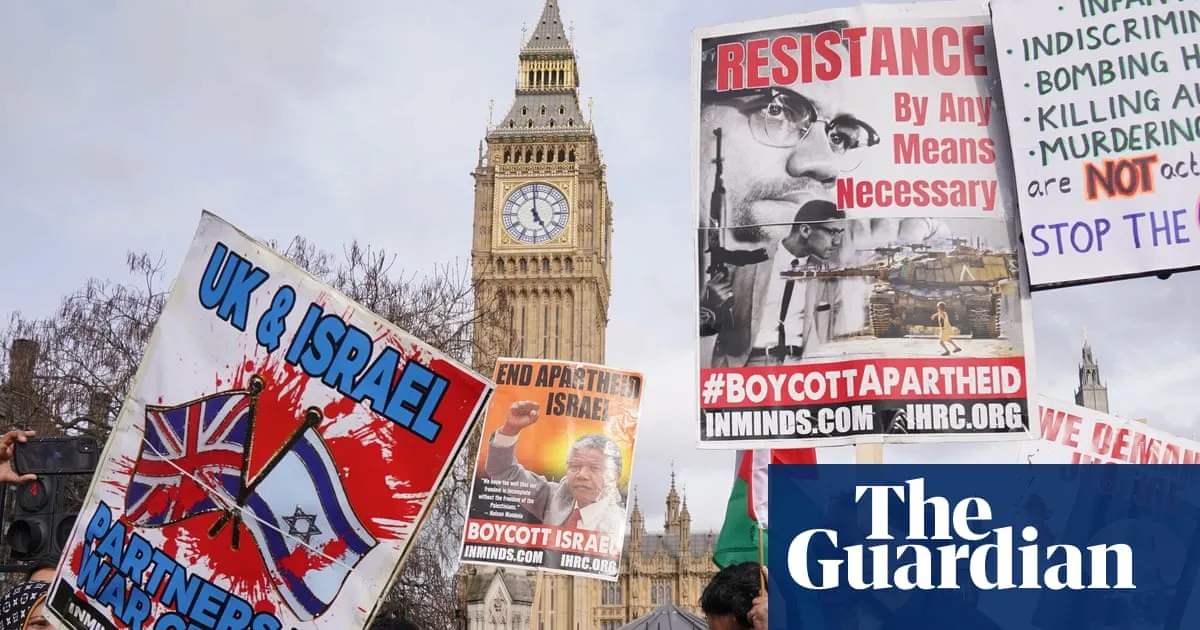
Al-Quds Day, established by Ayatollah Ruhollah Khomeini following Iran’s 1979 revolution, has been observed annually for over 40 years, typically on the last Friday of Ramadan. This event has historically taken place peacefully, fostering expressions of solidarity with Palestinians and opposition to Israeli policies.
Recent Developments
However, the landscape shifted dramatically when Home Secretary Shabana Mahmood announced a ban on the al-Quds Day march scheduled for March 11, 2026. This marks the first time a protest march has been banned in London since 2012. The Metropolitan police requested this ban due to concerns about potential public disorder and security risks, particularly in light of recent events involving alleged Iranian state activity in the UK.
Immediate Effects
The ban will be in effect for one month, starting from 4 PM on March 11, 2026. The decision was influenced by a risk assessment that evaluated the specific protest and anticipated counter-protests. In a related incident, a man was reportedly stabbed over the weekend by someone with opposing views on the Iranian regime, further underscoring the tensions surrounding the event.
Expert Opinions and Perspectives
Shabana Mahmood emphasized the government’s commitment to maintaining public safety, stating, “I expect to see the full force of the law applied to anyone spreading hatred and division instead of exercising their right to peaceful protest.” Meanwhile, Sarah Sackman, a prominent figure in the debate, remarked that those supporting the Iranian regime and its proxies “have no place in our society.”
A spokesperson for the Metropolitan police noted, “The threshold to ban a protest is high and we do not take this decision lightly,” highlighting the gravity of the situation. They reiterated that the decision to impose the ban was based solely on a thorough risk assessment.
The last time the power to ban a protest was exercised was 14 years ago, indicating a significant shift in the approach to public demonstrations in London. The al-Quds Day march, organized by the UK al-Quds Committee, which includes the Islamic Human Rights Commission, has been a platform for expressing political sentiments regarding the Israeli-Palestinian conflict.
As the situation develops, the implications of this ban on future protests and public discourse remain to be seen. Details remain unconfirmed regarding how the community will respond to this unprecedented decision.