
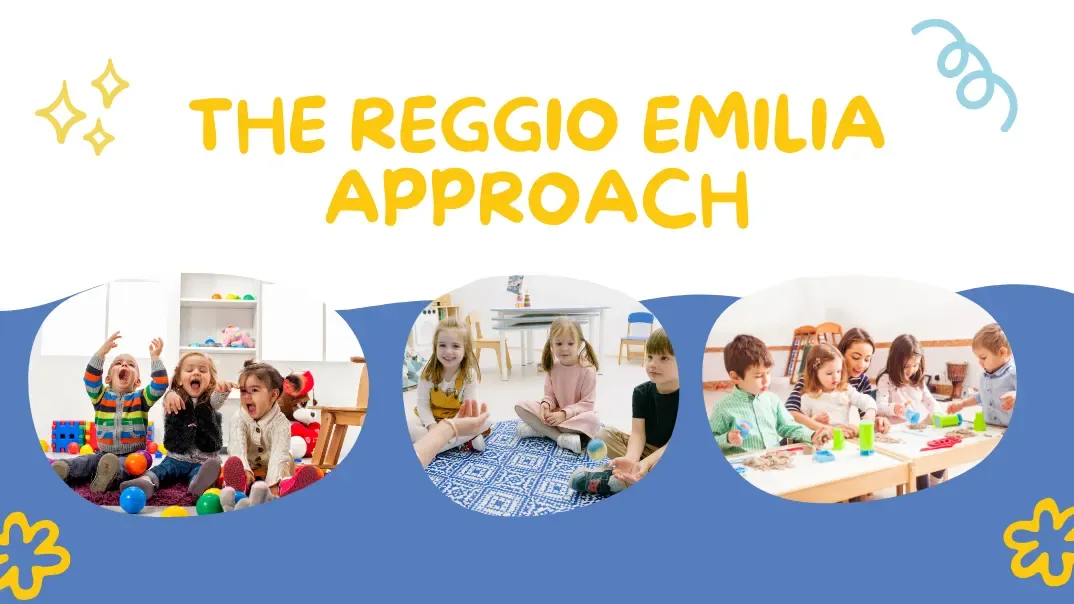
Catherine, Princess of Wales, is set to embark on her first official overseas trip since her cancer treatment, visiting Reggio Emilia, Italy. This journey not only marks a personal milestone for Catherine but also emphasizes her ongoing commitment to early childhood development.
Before this visit, the expectation surrounding Catherine’s public engagements had been largely focused on her health and recovery; she announced her remission from cancer in January 2025 after a challenging period that kept her away from public duties for approximately 3.5 years. The Royal Foundation Centre for Early Childhood, which Catherine launched in 2021, has become a focal point of her advocacy efforts, aiming to enhance the understanding and implementation of effective early childhood education methods.
The decisive moment came when Kensington Palace confirmed that Catherine would engage directly with the Reggio Emilia approach—an educational philosophy renowned for fostering children’s creativity and critical thinking through collaborative learning experiences. This method aligns with the goals of the Royal Foundation Centre for Early Childhood, as it seeks to create environments where nurturing relationships and natural exploration support children’s development.
The impact of this visit could resonate beyond just Catherine’s personal journey; it may influence various stakeholders in early childhood education. According to a spokesperson from Kensington Palace, “The princess is very much looking forward to visiting Italy next week and seeing first-hand how the Reggio Emilia approach creates environments where nature and loving human relationships come together to support children’s development.” This statement reflects an understanding of how innovative educational practices can shape future generations.
Interestingly, this visit coincides with a notable event in Italian sports history. AC Milan recently faced Sassuolo in a match held in Reggio Emilia, where they suffered a 0-2 defeat. The goals were scored by Berardi and Laurienté, while Tomori received a red card during the game. These events highlight the dual significance of Reggio Emilia as both an educational hub and a site of cultural engagement through sport.
Catherine’s three children—Prince George, Princess Charlotte, and Prince Louis—may also serve as a personal motivation behind her advocacy. As she engages with educational frameworks like those found in Reggio Emilia, it is plausible that she aims to foster supportive learning environments not only for others but also for her own family.
The broader implications of Catherine’s visit may encourage increased investment in early childhood initiatives across the UK and beyond. As experts continue to advocate for quality connections between children and their environments—”The quality of our connections – with ourselves, with others and with the world around us – shapes how safe we feel, how we relate, and how we process experiences throughout our lives,” stated Catherine—her efforts could catalyze significant advancements in educational policy.