
What the data shows
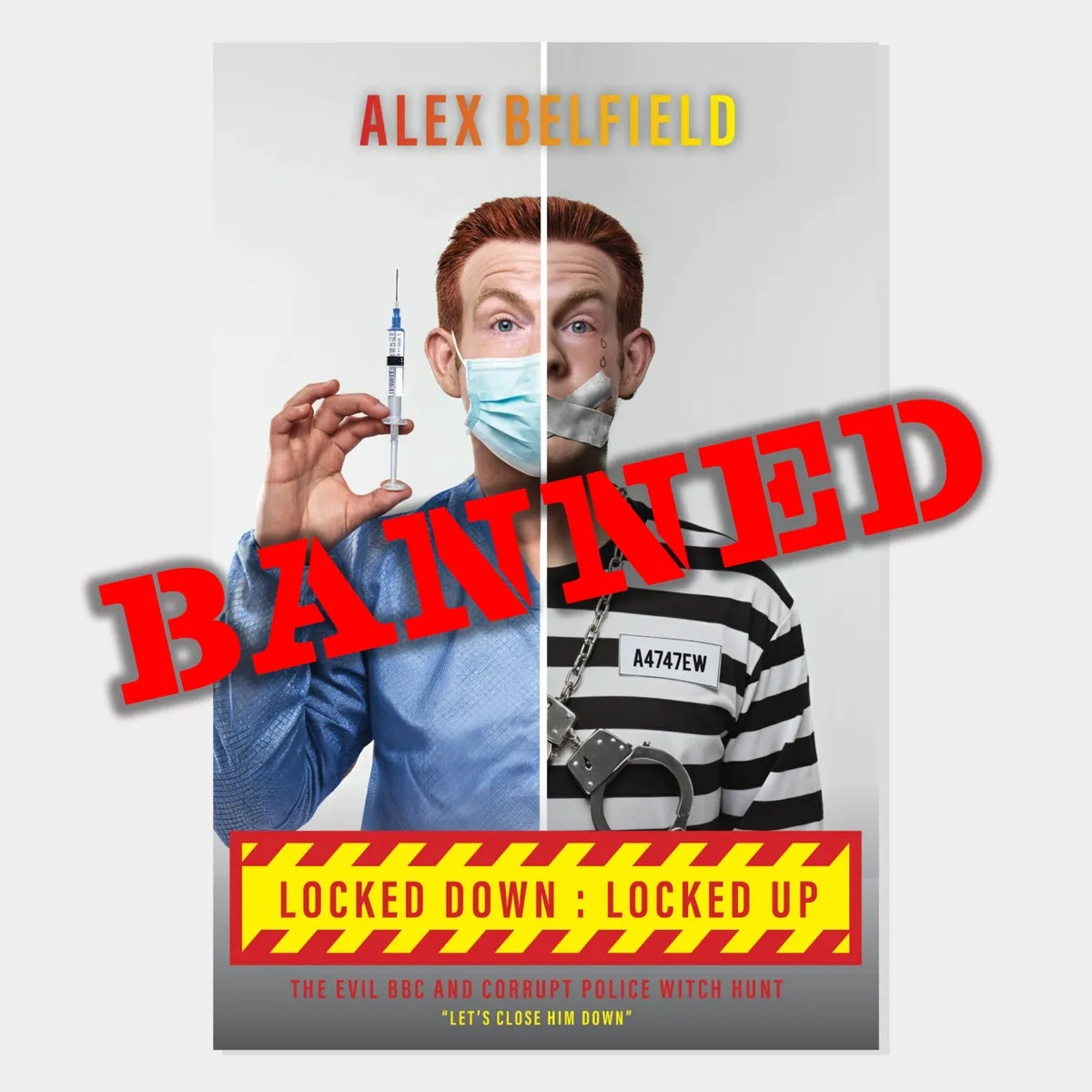
What does the recent recall of Alex Belfield to prison signify about the enforcement of legal boundaries for offenders? The answer is clear: the justice system remains vigilant. Belfield was jailed for five years and 26 weeks in September 2022 for stalking and causing alarm to four individuals, including notable figures like BBC presenters Jeremy Vine and Philip Dehany. His release from HMP Fosse Way on June 12, 2025, was short-lived, as he was recalled to prison in February 2026 for breaching license conditions.
Belfield’s case is emblematic of a broader issue regarding online harassment and the responsibilities of individuals who wield significant influence through platforms like YouTube, where he boasts 345,000 subscribers. His actions have raised questions about the limits of free speech and the repercussions of online behavior. The Probation Service has made it clear that they will not hesitate to send offenders back to prison if they break the rules, as highlighted by a spokesperson who stated, “As this case shows, we do not hesitate to send offenders back to prison if they break the rules.” This underscores the seriousness with which the legal system treats breaches of restraining orders and license conditions.
Belfield’s history is marked by a campaign of abuse against multiple victims, culminating in his conviction for ‘simple stalking’ regarding Vine and Dehany. The impact of his actions has been profound, leading to indefinite restraining orders related to the four victims he was convicted of stalking, as well as four women he was acquitted of stalking. This legal landscape has created a complex web of ongoing litigation, with Philip Dehany pursuing a High Court claim for damages against Belfield, with a hearing scheduled for April 29, 2026. The potential damages claim is estimated to be around £45,000, further complicating Belfield’s already precarious situation.
The fallout from Belfield’s actions has not only affected his victims but has also drawn public attention to the nature of online harassment. Jeremy Vine, one of Belfield’s targets, described him as “the Jimmy Savile of trolling,” a stark comparison that highlights the severity of Belfield’s behavior. This characterization resonates with many who have followed the case, as it encapsulates the fear and anxiety that such harassment can instill in individuals, particularly those in the public eye.
Despite his attempts to re-enter the public sphere, including plans for a UK tour that were blocked by the Probation Service due to concerns of breaching license conditions, Belfield’s future remains uncertain. He had previously claimed in August 2025 that it was “very likely” he would be recalled to HMP Fosse Way, a prediction that has now come to fruition. The restrictions imposed on him serve as a reminder of the consequences of his past actions and the ongoing scrutiny he faces.
As the legal proceedings continue, the implications of Belfield’s case extend beyond his personal circumstances. They raise critical questions about the effectiveness of the legal system in addressing online harassment and the responsibilities of content creators. The upcoming hearing on April 29, 2026, will not only determine the outcome of Dehany’s damages claim but may also set a precedent for how similar cases are handled in the future.
Details remain unconfirmed regarding the full scope of Belfield’s legal challenges, but the situation is evolving rapidly. As the public watches closely, the outcomes of these proceedings could have lasting effects on the discourse surrounding online behavior and accountability. The case of Alex Belfield serves as a cautionary tale about the potential consequences of unchecked online influence and the importance of upholding legal boundaries.