
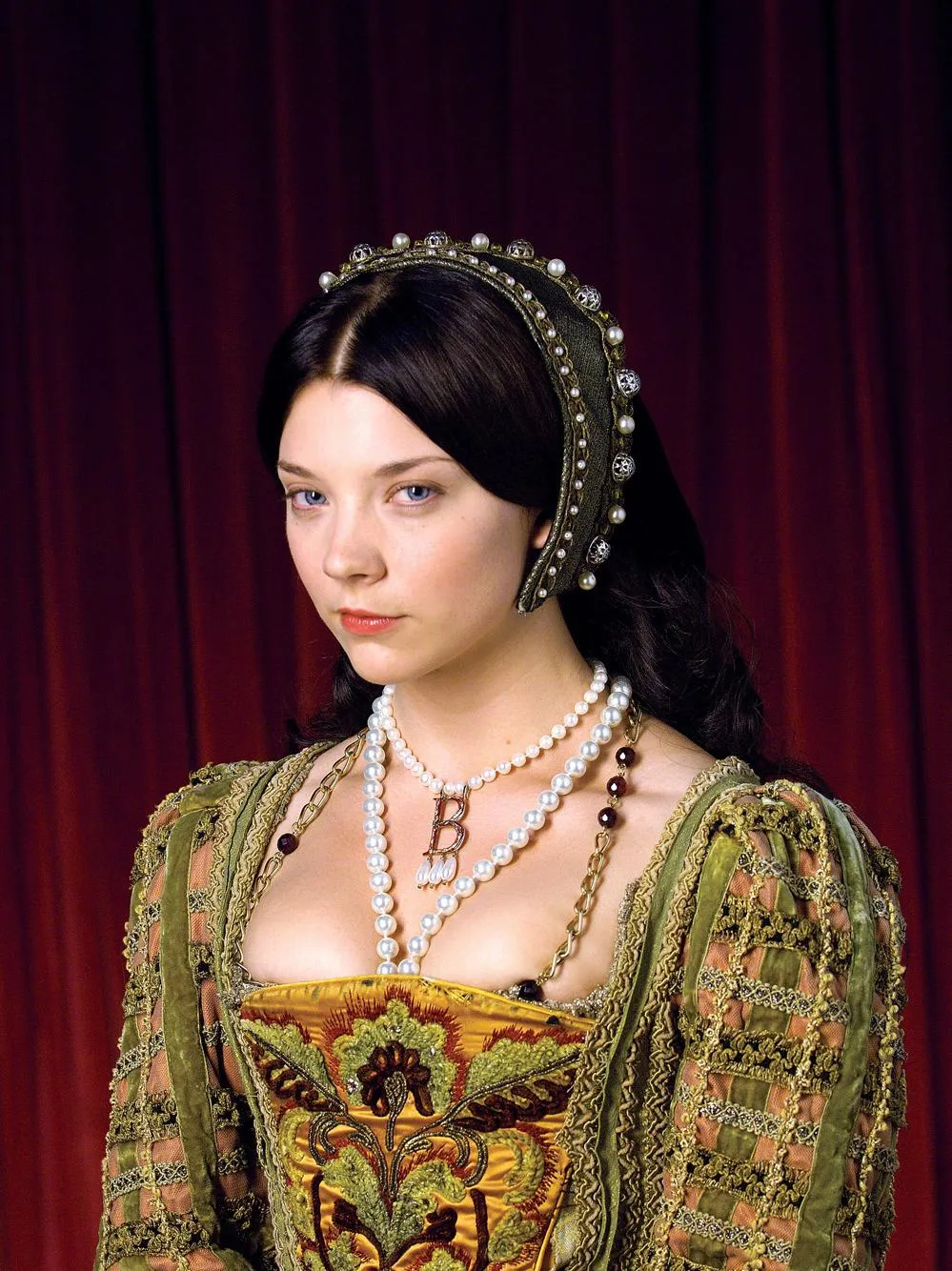
A team of scientists from the University of Bradford claims to have uncovered the real face of Anne Boleyn using facial recognition technology, which has sparked significant debate among historians regarding the accuracy and implications of their findings.
The researchers utilized a facial recognition algorithm to analyze various Tudor portraits, comparing them to sketches that they believe may depict Boleyn. Notably, they assert that they have identified a previously-unknown sketch of her, which could potentially alter historical perceptions of this pivotal figure in English history.
Anne Boleyn, who was married to Henry VIII in 1533 and executed in 1536 on charges including adultery and treason, has been a subject of intrigue for centuries. However, no painting from her lifetime exists, complicating efforts to ascertain her true likeness.
The algorithm employed by the researchers rated facial similarities through a method known as ‘percentage clustering,’ which compares features across different images. This approach included comparisons with portraits of her daughter, Elizabeth I, and her cousins. Yet, some experts question the validity of these techniques when applied to historical artworks.
Art historian Dr. Bendor Grosvenor has publicly disputed the findings, describing the research as ‘a load of old phooey.’ He argues that what is being analyzed are merely drawings compared through an algorithmic lens rather than definitive representations. His skepticism reflects broader concerns within the academic community about the reliability of such technological methods in historical research.
Furthermore, Karen Davies, the lead author of the study who has been fascinated by Boleyn since childhood, stated that ‘the result has shocked us completely.’ This sentiment highlights both the excitement and controversy surrounding these findings.
Interestingly, the study also suggests that some images of Anne Boleyn may have been deliberately destroyed over time—an assertion that could point to political motivations behind historical narratives. However, uncertainties linger; whether the identified sketch truly depicts Boleyn or possibly her mother remains unclear.
The debate over whether technology can accurately analyze historical artworks continues as experts weigh in on both sides. As this discourse unfolds, further developments are anticipated in how we understand and visualize figures from our past.