
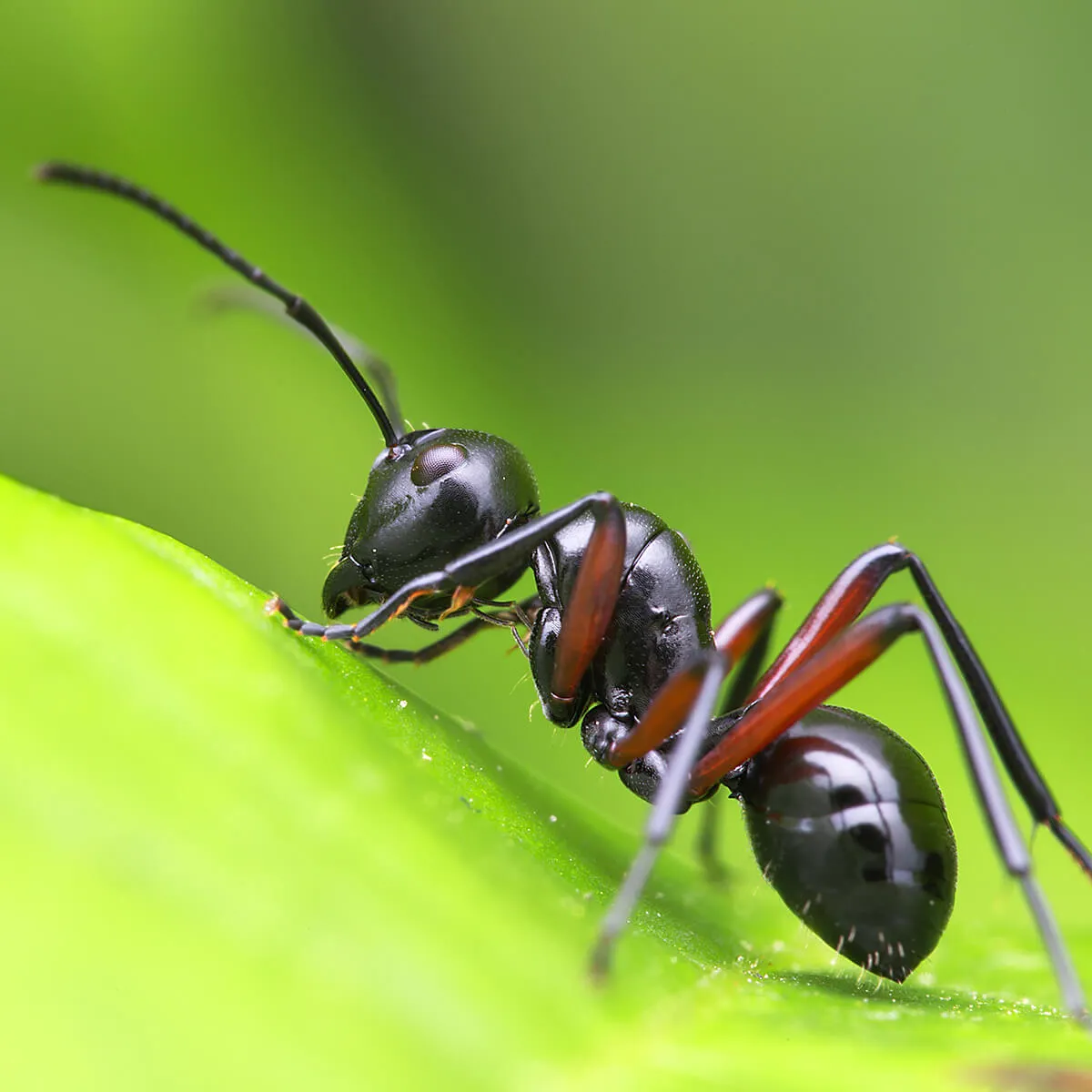
An 8-year-old boy’s recent discovery of ants collecting oak galls has prompted a reevaluation of the relationship between plants and insects, particularly regarding how these ants interact with oak trees. This finding highlights previously unknown dynamics in plant-insect interactions.
Research conducted by teams at Penn State University and SUNY has revealed that ants collect oak galls, which are growths on plants caused by insects, primarily as a food source. The study indicates that this behavior is not just incidental but rather part of a complex interaction involving multiple species.
Key findings:
- The relationship between ants, wasps, and oak trees was largely unrecognized until this recent investigation.
- Myrmecochory, or seed dispersal by ants, has been documented for over 100 years, yet the specific attraction to oak galls was previously overlooked.
- During experiments, ants exhibited similar interest in both oak galls and seeds.
The kapéllo, a cap found on oak galls, attracts ants due to its chemical composition resembling elaiosomes present on seeds. This discovery suggests that the evolutionary adaptations of both plants and insects may be more intertwined than previously understood.
In another context, ants also play a role in protecting peonies from other insects by feeding on the nectar secreted by extrafloral nectaries. As noted by Daria McKelvey, “The arrangement is beneficial to both the peony and the ant: The ant gets a sweet treat. The peony doesn’t get eaten.” However, it is important to clarify that while ants contribute to plant defense, they do not directly influence the blooming process of these flowers.
While this research sheds light on beneficial interactions between species, uncertainties remain regarding the full implications of these findings for broader ecological systems. For instance, researchers are still exploring how these relationships might influence biodiversity in forest ecosystems.
This study was published in the journal American Naturalist and represents a significant step towards understanding intricate ecological relationships. As investigations continue, further insights into myrmecochory and other mutualistic behaviors may emerge.