
Who is involved
Before the Artemis rocket launch, expectations were high for NASA’s Artemis program, which aimed to return humans to the moon and eventually to Mars. The program has faced numerous challenges, including technical issues and budget cuts, leading to delays that have frustrated both the agency and the public. The last time humans ventured beyond Low Earth Orbit was during the Apollo 17 mission in 1972, a fact that has only heightened anticipation for the Artemis II mission.
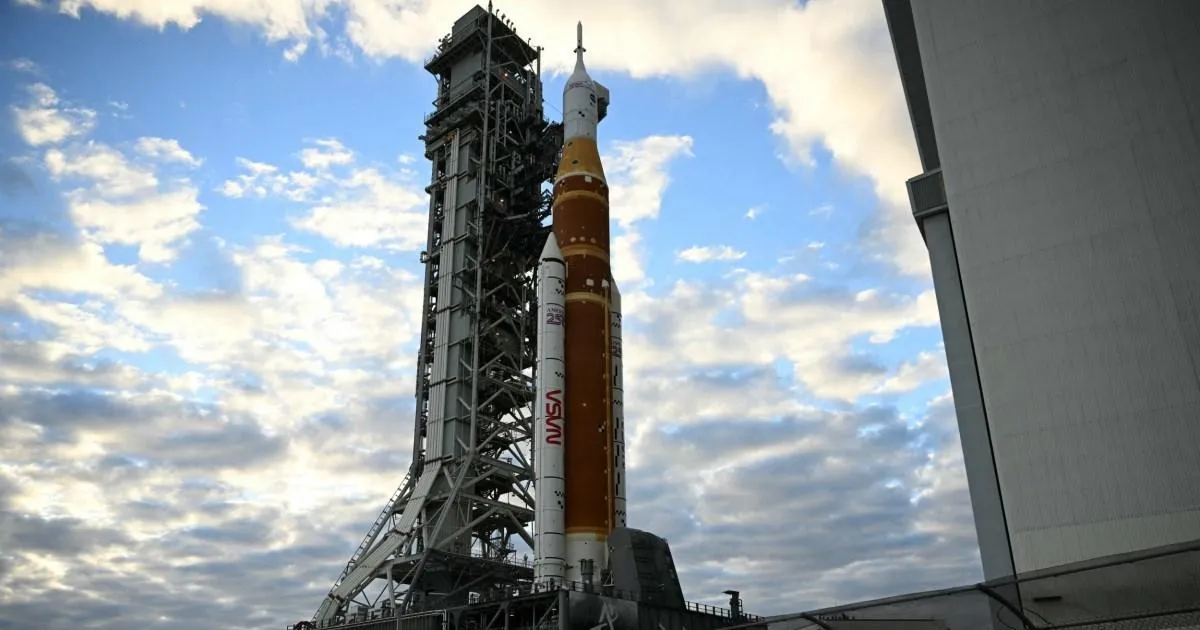
Scheduled for April 1, 2026, the Artemis II launch will mark a decisive moment in this ambitious program. This mission will send a crew of four astronauts—Reid Wiseman, Victor Glover, Christina Koch, and Canadian astronaut Jeremy Hansen—on a 10-day journey around the moon. Unlike its predecessor, Artemis I, which traveled 1.3 million miles without a crew, Artemis II will be the first mission to leave Low Earth Orbit in 53 years, a significant leap forward in human space exploration.
The decision to launch Artemis II comes after two delays attributed to technical issues, underscoring NASA’s commitment to safety and thorough preparation. Libby Jackson, a prominent figure in the space community, emphasized the importance of taking the necessary time to ensure everything is right before launch: “NASA are just taking their time, and they have to get everything right, and it will launch when it’s ready.” This cautious approach reflects the agency’s dedication to advancing human spaceflight responsibly.
The implications of the Artemis II mission extend beyond the immediate crew and NASA. An estimated 400,000 visitors are expected to flock to Florida’s Space Coast for the launch, coinciding with spring break vacation plans, leading to many sold-out accommodations. The excitement surrounding the launch is palpable, with many eager to witness this historic event. As one observer noted, “You’re guaranteed to get a beautiful view of the rocket launch at Florida’s Treasure Coast (so long as weather and clouds cooperate).”
As Artemis II prepares for launch, it symbolizes a renewed commitment to human space exploration. The Artemis program, which has faced significant hurdles since its inception, is now poised to make history once again. The upcoming mission not only aims to demonstrate NASA’s capabilities but also serves as a stepping stone toward future missions, including Artemis III, expected to launch in 2027.
In the broader context of space exploration, the Artemis II mission represents a critical juncture. It is not just about reaching the moon; it is about laying the groundwork for future endeavors, including potential manned missions to Mars. The Artemis program’s vision encompasses a sustainable human presence on the moon, which could facilitate further exploration of our solar system.
As we look forward to the Artemis rocket launch, the excitement is matched by the weight of history. The last time humans walked on the moon was during the Apollo 17 mission in 1972, and the Artemis II mission aims to reignite the spirit of exploration that characterized that era. The world watches as NASA prepares to take this monumental step forward, with hopes of inspiring a new generation of explorers.
Details remain unconfirmed regarding the exact timeline and any potential last-minute changes, but the anticipation surrounding the Artemis II mission continues to grow. As the launch date approaches, the focus remains on ensuring a successful mission that will pave the way for humanity’s return to the moon and beyond.