
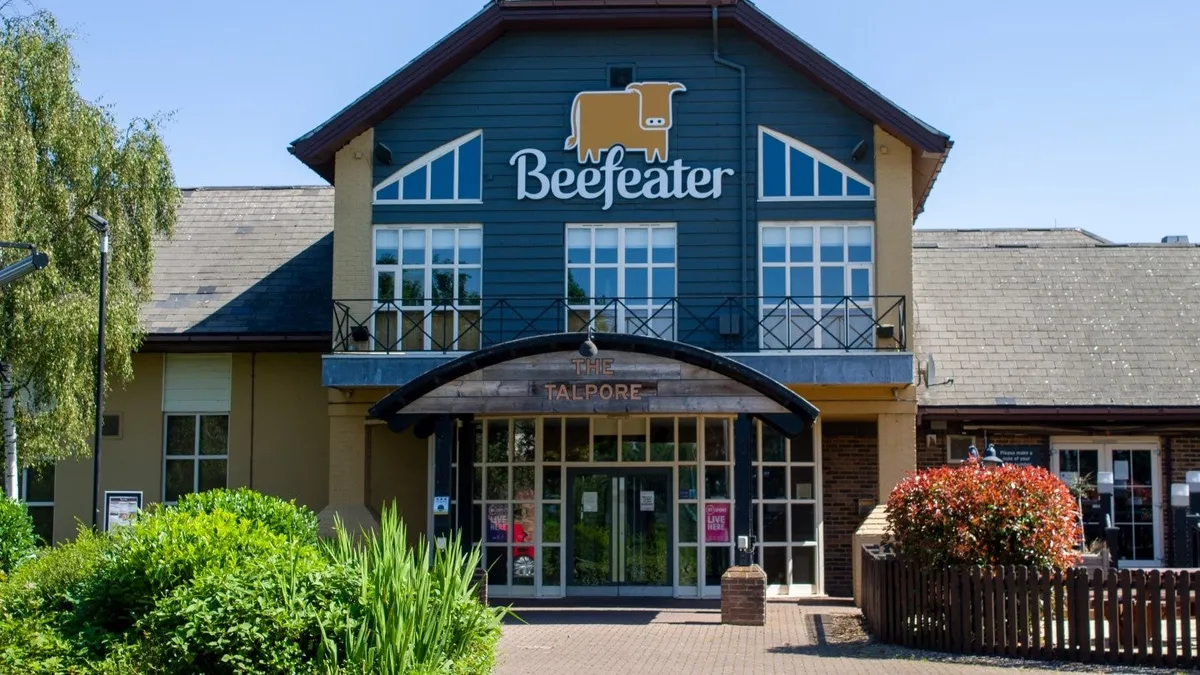
Whitbread’s recent announcement regarding its restructuring plan indicates that the company will close 200 restaurants, leading to a loss of approximately 3,800 jobs across the UK and Ireland. This decision represents a notable shift in Whitbread’s business strategy, particularly affecting its Beefeater and Brewers Fayre brands.
The closures will impact about 12% of Whitbread’s total workforce, which numbers around 30,000 employees. Among the affected locations is the Badgers Sett Beefeater restaurant in Hagley, which has served customers for decades. Sources indicate that this move aligns with Whitbread’s new five-year strategy aimed at saving £250 million.
In addition to the restaurant closures, Whitbread plans to convert some of these locations into approximately 600 additional Premier Inn rooms, reflecting a potential pivot towards enhancing its hotel offerings rather than maintaining its restaurant footprint. This strategy emerges amid significant cost increases that have pressured many players within the hospitality industry.
The Beefeater chain has been operational for over 50 years, while Brewers Fayre was approaching a similar milestone in 2029. The longevity of these brands underscores their roles in the UK restaurant landscape, making their closure particularly poignant for many loyal customers.
Initial reactions from both employees and customers have been mixed. A spokesperson from Whitbread acknowledged the unsettling nature of these changes for those affected, stating, “We appreciate it must be unsettling for those who may be impacted.” Meanwhile, customers expressed their dismay over specific closures; one individual lamented, “Gutted to hear the Heaton Park Beefeater is closing down. So many memories there over the last 40 years.” Another customer shared their sadness, recalling fond family meals at Beefeater establishments.
Dominic Paul, Whitbread’s chief executive, emphasized that the decision to close restaurants aims to create an integrated food and beverage offer preferred by hotel guests. However, it remains uncertain how this shift will resonate with consumers who have long enjoyed dining at these establishments.
The broader implications of these closures may reflect ongoing challenges faced by UK restaurant chains as they adapt to changing consumer preferences and economic pressures. With Whitbread investing heavily in new Premier Inn hotels across regions like Oxfordshire in recent years, it appears that the company is prioritizing its hotel business over traditional dining venues.