
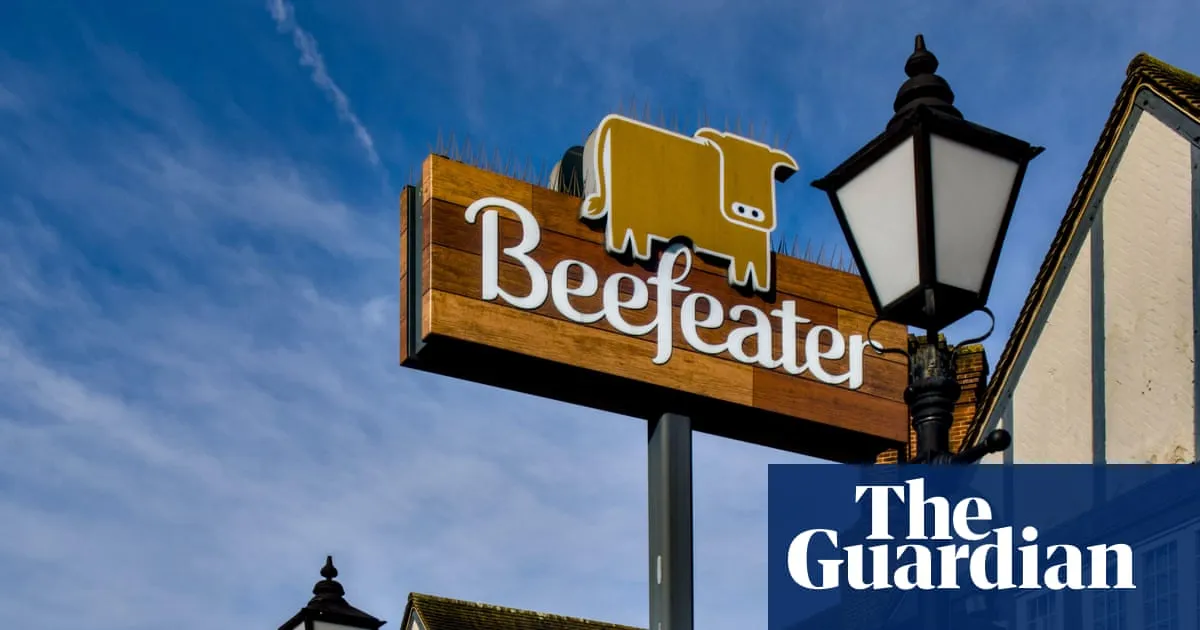
“It is disgraceful that Whitbread employees heard about the job cuts through the media,” said Colenzo Jarrett-Thorpe, reflecting the discontent surrounding the company’s recent announcement regarding the closure of all remaining Beefeater and Brewers Fayre restaurants across the UK and Ireland.
Whitbread, which operates approximately 30,000 employees in these regions, plans to eliminate around 3,800 jobs as part of its strategic pivot toward a more focused hotel business model. This decision comes as part of a broader five-year business strategy aimed at transforming Whitbread into what Dominic Paul, CEO, described as “a higher-margin, higher-returning pure-play hotel business.”
The company intends to convert its remaining branded restaurants into an integrated food and beverage offer that caters specifically to hotel guests. This shift aligns with Whitbread’s goal of achieving cost savings estimated at £250 million while also planning to sell and lease back £1.5 billion worth of freehold properties.
Historically, the Beefeater brand has been a staple in the UK dining landscape since its inception in 1974; however, changing market dynamics have pressured Whitbread to rethink its operational focus. According to documents, the company reported flat revenues for the year ending February 2026, with pre-tax profits recorded at £298 million.
As part of this restructuring, the Unite union has expressed intentions to seek consultations regarding the impending job losses. The closures will affect 197 locations, representing a significant contraction in Whitbread’s dining operations.
In recent months, Whitbread’s shares have seen a decline of 20%, indicating investor concerns about its performance and strategic direction. The pressure from American activist investor Corvex has likely contributed to this reevaluation of business priorities.
The forthcoming months will be crucial for both Whitbread and its workforce as they navigate this transition. While specific timelines for implementation remain unclear, the company’s commitment to enhancing shareholder value suggests that further changes could be anticipated in its operational framework.