
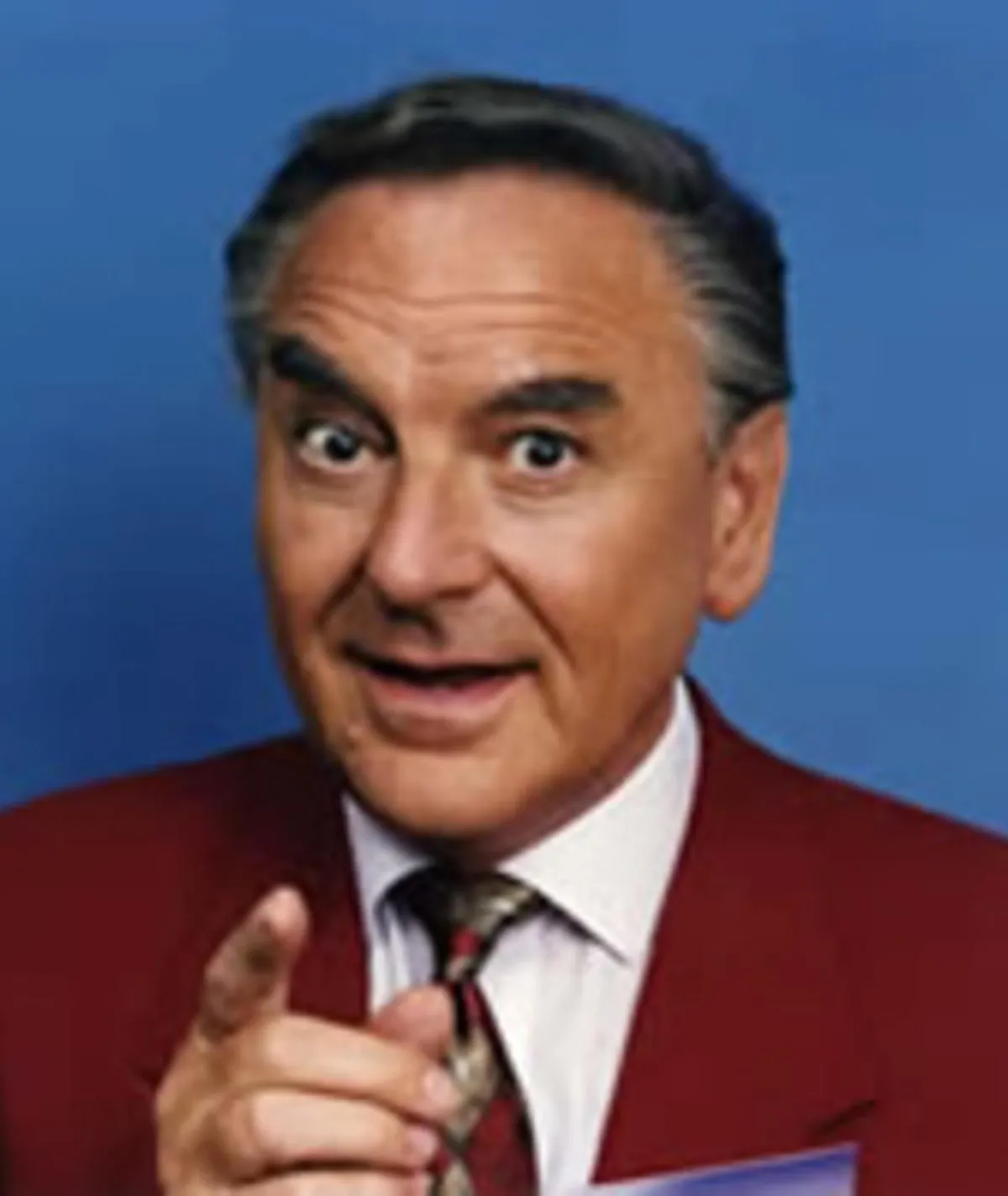
For decades, Bob Monkhouse was celebrated as a pioneering figure in British comedy, known for his sharp wit and extensive collection of jokes. His handwritten joke books, compiled from the 1960s until his death in 2003, became a testament to his comedic genius. However, as societal norms have evolved, so too has the perception of some of his material, particularly jokes that are now considered sexist.
The recent decision by the BBC to pull an episode of the popular show Repair Shop serves as a pivotal moment in this ongoing discourse. Originally intended as a tribute to Monkhouse, the episode was re-evaluated after a production staff member raised concerns regarding the appropriateness of certain jokes included in his joke books. This decision reflects a growing sensitivity towards content that may perpetuate outdated or harmful stereotypes.
Joanna Ball, a producer on the show, explained, “We planned to fix the joke book, but when we got it to the barn and saw it in its entirety, we realised it contained many jokes that were not appropriate for a programme.” This acknowledgment highlights the tension between honoring a comedic legacy and ensuring that contemporary audiences are not subjected to material that could be deemed offensive.
The joke books, which were brought in by Monkhouse’s writing partner Colin Edmonds and his adopted daughter Abigail Williams, contain thousands of jokes, cartoons, and doodles. While some of these jokes were once celebrated, the passage of time has rendered many of them unacceptable. Colin Edmonds himself noted, “There are things that were acceptable in the Seventies which one wouldn’t dream of saying today.”
This shift in perception has significant implications for the parties involved. For the BBC, the decision to withdraw the episode was framed as a “production decision” aimed at considering the sensitivities of all viewers. Meanwhile, the production company Ricochet emphasized that decisions regarding which items to repair and feature are based on a range of factors, underscoring the complexities of curating content that resonates with modern audiences.
Bob Monkhouse’s widow, Jackie Monkhouse, may also find herself navigating the delicate balance between preserving her husband’s legacy and acknowledging the evolving standards of humor. As society continues to grapple with the implications of past comedic norms, the legacy of figures like Monkhouse will likely remain a topic of heated discussion.
As the landscape of comedy continues to evolve, the legacy of Bob Monkhouse stands at a crossroads. The decision to pull the episode is not just about one man’s jokes; it reflects a broader cultural shift towards accountability and sensitivity in entertainment. Details remain unconfirmed regarding how this will affect future tributes to Monkhouse, but the conversation about the appropriateness of humor in a changing world is far from over.