
What the data shows
The story of Charles Bronson raises a profound question: how does a man notorious for violence become a cultural icon? The answer lies in the complex interplay between his life experiences and the artistic interpretations of those experiences, notably captured in the film Bronson, directed by Nicolas Winding Refn and starring Tom Hardy.
Charles Bronson, born Michael Gordon Peterson, is often referred to as the UK’s ‘hardest prisoner’. He has spent decades behind bars, becoming infamous for his violent outbursts and his refusal to conform to prison norms. His notoriety is not merely a product of his actions; it is also a reflection of a flawed prison system that has struggled to rehabilitate individuals like him. The film Bronson, released in 2008, delves into this narrative, portraying Bronson’s life as both a cautionary tale and a critique of the penal system.
Produced on a modest budget of $230,000, Bronson grossed over $2.5 million worldwide, a testament to its resonance with audiences. The film holds a ‘Certified Fresh’ score of 75% on Rotten Tomatoes, indicating a strong approval from critics and viewers alike. The critics’ consensus on Rotten Tomatoes describes the film as “undeniably gripping,” forcing viewers to confront the blurred lines between art and exploitation. This duality is central to understanding Bronson’s legacy.
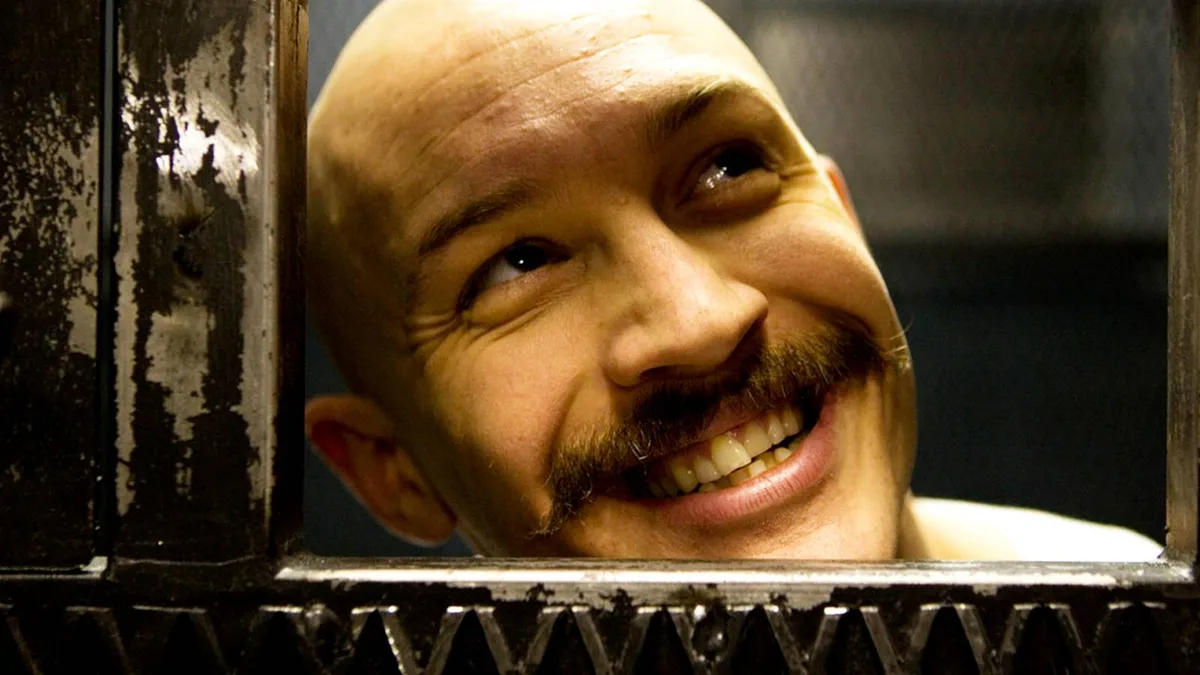
In the film, Hardy’s portrayal of Bronson is both captivating and unsettling. Critics have noted that the role serves as a proof of concept for Hardy’s acting style, showcasing his willingness to embrace characters that challenge societal norms. The film examines the life of a troubled young man who, through a series of violent encounters, becomes a legendary figure within the British prison system. This transformation raises questions about identity, violence, and the societal factors that contribute to such a path.
Bronson adopted his infamous name in 1987, marking a significant turning point in his life. This name change symbolizes not just a personal reinvention but also a broader commentary on the nature of identity within the prison system. The film does not shy away from depicting the harsh realities of incarceration, including the lack of rehabilitation and the cyclical nature of violence that often defines the lives of inmates.
As the film critiques the prison system, it also invites viewers to reflect on the societal implications of Bronson’s story. The narrative forces us to consider the conditions that lead to such extreme behaviors and the systemic failures that perpetuate them. While Bronson’s life is marked by violence, it also highlights the urgent need for reform in how society addresses crime and punishment.
Looking ahead, the cultural impact of Charles Bronson continues to evolve. The film Bronson remains a significant part of British cinema, and its themes resonate with ongoing discussions about criminal justice reform. As audiences engage with Bronson’s story, they are prompted to confront uncomfortable truths about the nature of violence and the effectiveness of the prison system. Details remain unconfirmed regarding any new adaptations or portrayals of Bronson’s life, but his legacy as a cultural figure is undeniably entrenched in the fabric of British society.