
On April 26, 1986, a catastrophic explosion at the Chernobyl Nuclear Power Plant in Ukraine unleashed a radioactive cloud that spread across Europe. This event is often cited as the world’s worst civilian nuclear accident, leading to the immediate evacuation of approximately 115,000 people from surrounding areas. In the aftermath, a 2,600 square kilometer exclusion zone was established around the site, prohibiting human activity and effectively creating a sanctuary for wildlife.
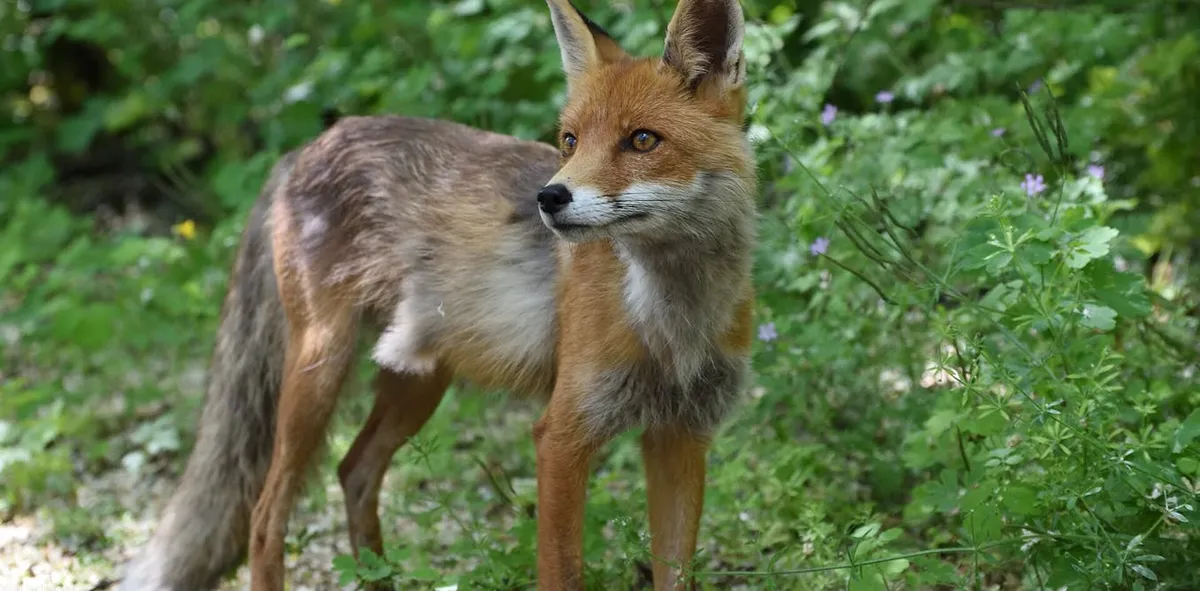
In the years following the disaster, an unexpected phenomenon began to unfold within this exclusion zone. With human presence significantly diminished, wildlife populations started to thrive. Species such as wolves, foxes, elk, and wild boar have shown remarkable increases in their numbers. Research indicates that the absence of human hunting, agriculture, and development has had a more positive impact on animal populations than radiation has had a negative one.
By 1998, efforts were made to reintroduce Przewalski’s horses into the region; today their population has grown to over 150 individuals. Additionally, the greater spotted eagle—once classified as globally endangered—has returned and is now nesting within this unique environment. Such recoveries highlight how ecosystems can rebound when left undisturbed.
Nevertheless, not all species have fared equally well in this altered landscape. Some organisms exhibit reduced reproductive success and higher mutation rates due to prolonged exposure to radiation. Yet, certain species have adapted intriguingly; for instance, tree frogs have been observed changing color as a response to their radioactive surroundings.
Among these adaptations is Cladosporium sphaerospermum, a melanin-rich fungus that appears to thrive in radioactive environments. Studies show that under specific conditions—such as those created by radiation—this fungus can grow faster than it would otherwise. In experiments conducted with Cladosporium sphaerospermum, growth rates increased by 20 percent when exposed to radiation levels up to 500 times higher than normal background levels.
The findings surrounding this fungus suggest that rather than simply being harmed by radiation, certain organisms may actually benefit from it under specific conditions. Researchers propose that melanin might play a crucial role in helping these cells capture energy or manage it more effectively—a conclusion that challenges traditional notions about radiation’s effects on biological life.
Today, the Chernobyl Exclusion Zone stands as one of Europe’s largest nature reserves. It serves not only as a refuge for wildlife but also as an important site for ecological research into how ecosystems recover when undisturbed by human interference. As studies continue to emerge from this area, they reveal complex interactions between species and their environments that were previously unimagined.
The implications of these developments are significant for conservationists and ecologists alike; they suggest that areas impacted by human activity can sometimes recover remarkably well when given time and space. The story of Chernobyl continues to evolve—while it serves as a stark reminder of the potential dangers associated with nuclear energy, it simultaneously offers insights into resilience and recovery in nature under extraordinary circumstances.