
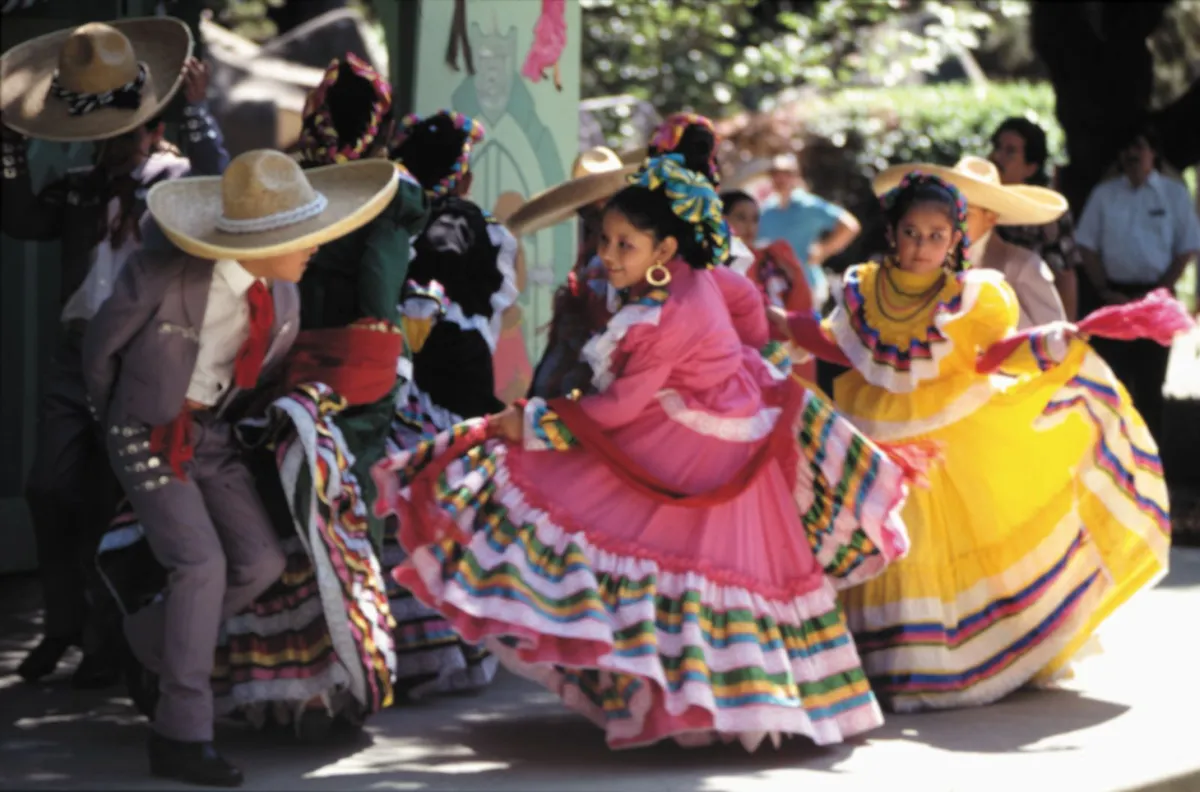
As Cinco de Mayo approaches on May 5, celebrations across the United States are increasingly emphasizing the commemoration of Mexican heritage rather than indulging in the stereotypical revelry often associated with the day.
This shift is evident as communities organize parades, mariachi competitions, and culinary events that highlight authentic Mexican cuisine. According to recent reports, historical reenactments continue to be held annually in Puebla to honor the 1862 victory of Mexican forces over French troops at the Battle of Puebla, while similar events in the U.S. aim to educate attendees about this significant moment in history.
Key facts about Cinco de Mayo:
- Cinco de Mayo marks the anniversary of the Battle of Puebla, where General Ignacio Zaragoza led Mexican forces to victory.
- The holiday is often confused with Mexican Independence Day, which is celebrated on September 16.
- Interestingly, Cinco de Mayo is celebrated more widely in the U.S. than in Mexico itself.
In recent years, some community leaders have expressed a desire to pivot away from commercialized aspects of the holiday—such as excessive drinking, often referred to as “Cinco de Drinko”—and instead promote a deeper understanding of cultural significance. Nayomie Mendoza, a local activist, stated, “It just showed resilience. So, on Cinco de Mayo we always make it a testament of our resilience.” This perspective highlights a growing trend among Hispanic-owned firms, which accounted for 8.4% of U.S. employers in 2024.
Celebrations typically feature traditional elements like mariachi bands and folklórico dance performances that showcase Mexico’s rich cultural tapestry. Additionally, beverages such as tequila and sotol—an emerging spirit produced from the Dasylirion plant that takes 15 to 20 years to mature—are gaining popularity among attendees who seek authentic experiences rather than mere party atmospheres.
As this cultural renaissance unfolds during Cinco de Mayo festivities, observers expect further integration of educational components into celebrations. The challenge lies in ensuring that participants not only enjoy traditional foods and drinks but also engage with the real history and culture behind these practices.