
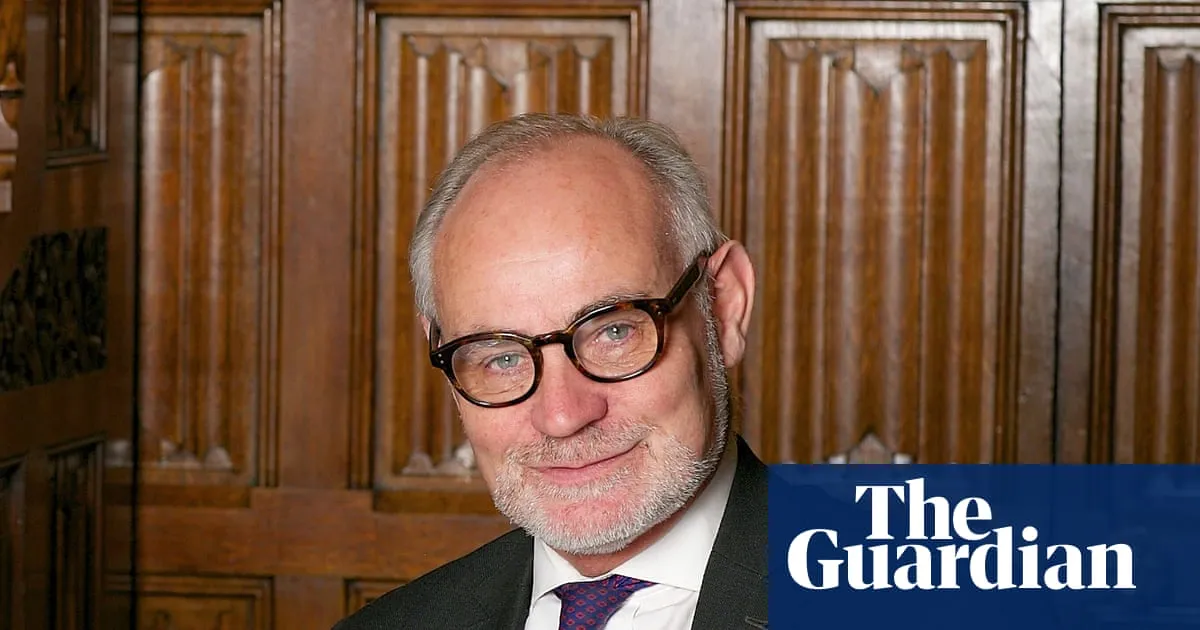
In a significant turn of events, Crispin Blunt, the former Member of Parliament for Reigate, faced legal repercussions on March 25, 2026, at Westminster Magistrates’ Court. The 65-year-old politician was charged with four drug offences, a development that has drawn considerable media attention and public scrutiny.
Blunt’s legal troubles began in October 2023 when he was first arrested, leading to his loss of the Conservative whip. This arrest was part of a broader investigation into allegations of rape, although no charges were brought against him due to insufficient evidence. During this police search, officers discovered drugs that would later lead to his current charges.
On this recent court date, Blunt pleaded guilty to one count of possessing a class A drug, specifically methamphetamine, and three counts of possession of class B drugs, which included GBL, cannabis, and amphetamine. The court proceedings were marked by statements from Deputy Chief Magistrate Tan Ikram, who reminded Blunt of his responsibilities as a former minister and public servant.
Malcolm McHaffie, representing the Crown Prosecution Service, confirmed the charges, stating, “We have decided to charge Crispin Blunt, 65, with four drugs offences – one count of possessing a controlled drug of class A and three counts of possessing a controlled drug of class B.” This statement underscores the serious nature of the allegations against Blunt.
As a consequence of his guilty plea, Blunt was fined £1,200, a penalty that reflects the court’s stance on drug possession. The former MP’s actions have sparked discussions about drug policy reform, a topic he himself has publicly addressed, claiming that he hosted chemsex parties to inform government policy.
Blunt’s political career has been extensive; he represented Reigate from 1997 until he stood down in 2024. His previous roles include serving as a justice minister from 2010 to 2012 and chairing the Commons foreign affairs committee from 2015 to 2017. However, these achievements are now overshadowed by his recent legal issues.
The implications of these events are profound for Blunt, as they not only tarnish his legacy but also raise questions about the accountability of public figures in matters of drug use and policy. His case serves as a reminder of the complexities surrounding drug legislation and the responsibilities of those in power.
As the dust settles on this case, the political landscape may witness further discussions on drug reform, potentially influenced by Blunt’s controversial stance and experiences. The legal ramifications of his actions will likely continue to unfold, keeping him in the public eye for the foreseeable future.