
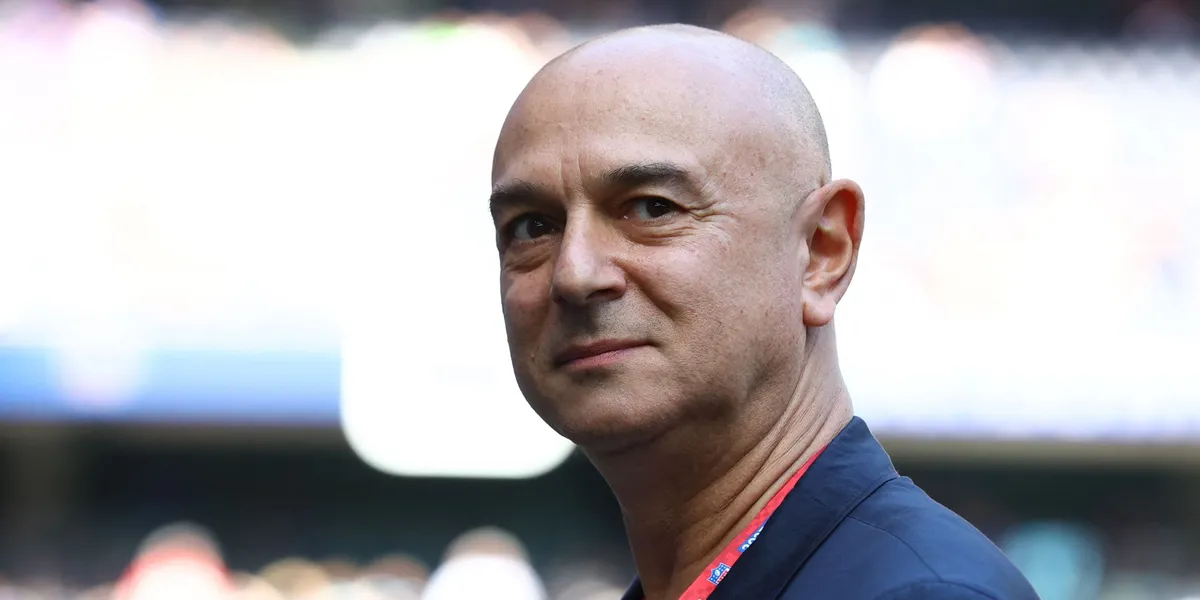
Daniel Levy’s tenure at Tottenham Hotspur has been marked by financial and structural success off the pitch, but under-achievement on it. Since the sacking of Mauricio Pochettino in November 2019, Spurs have spent £979 million on players, with a net spend of £653 million. Despite these investments, the club’s performance has not met the expectations of fans and stakeholders.
Recent Developments
In a recent revelation, Gareth Bale disclosed that he had a gentleman’s agreement with Daniel Levy regarding a potential transfer to Manchester United. However, Levy was reluctant to sell Bale to a rival club, preferring to keep his star player within the league. Ultimately, Bale joined Real Madrid for a world record transfer fee of €100.8 million (£85.1 million), a move he was eager to pursue.
Key Statements
Bale reflected on the negotiations, stating, “He didn’t want to sell me to a rival, but if a team did come in from Spain, Italy, Germany, wherever it may be…I could potentially go if we didn’t qualify for the Champions League, which we didn’t.” This highlights the complexities of player transfers and the challenges Levy faced in balancing club interests with player ambitions.
Furthermore, Bale noted, “He made it very tough, like he does, but he stayed true to his word,” indicating that while Levy’s approach may be stringent, he honors agreements made with players.
Looking Ahead
As Tottenham navigates its current challenges, observers are keen to see how Levy’s management style will evolve. The club’s wage bill last term was £248.6 million, lower than the rest of the top flight’s ‘Big Six’, suggesting a need for strategic financial planning moving forward. The ongoing scrutiny of Levy’s decisions will likely continue as Spurs aim to achieve greater success on the pitch.