
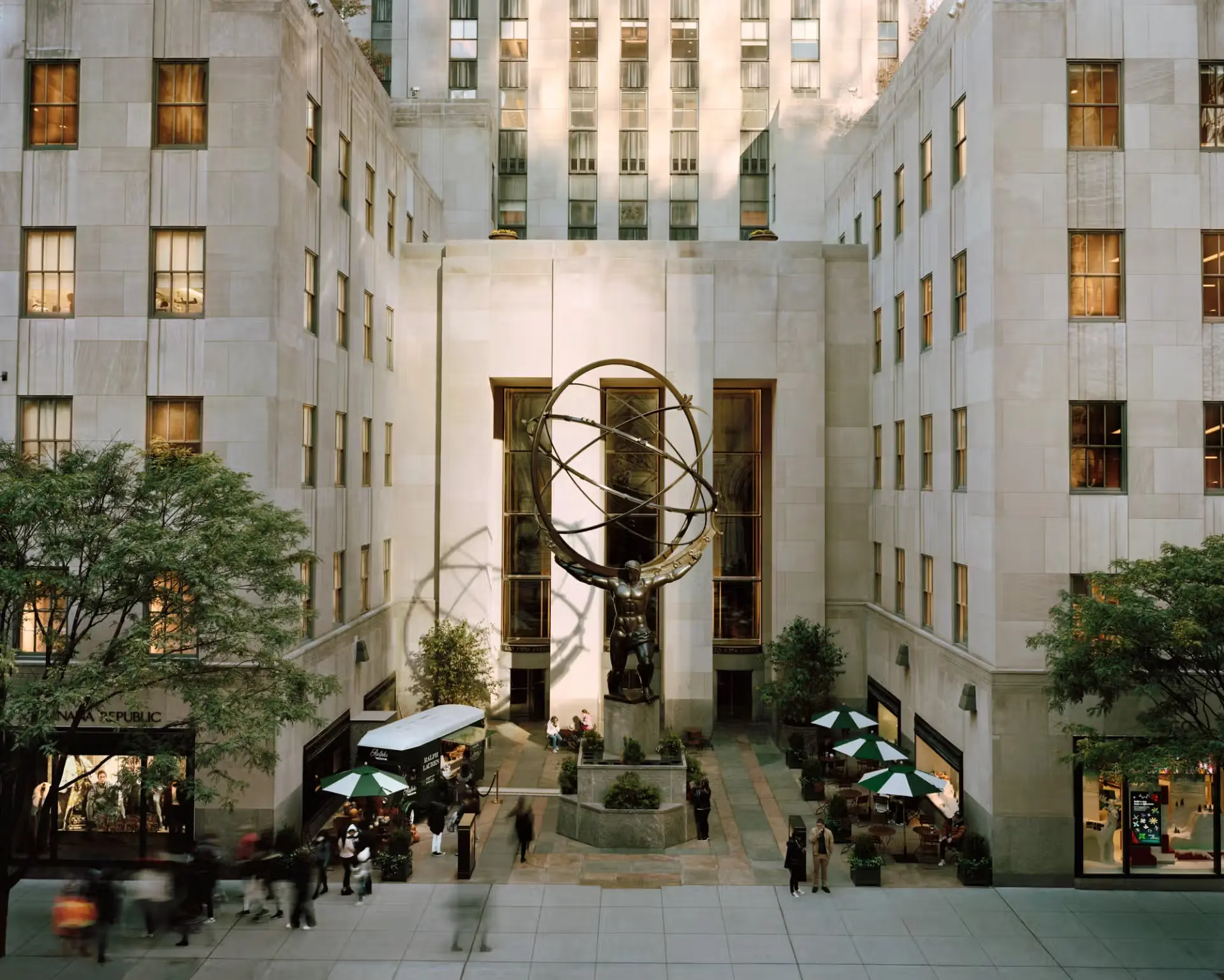
Introduction to Rockefeller Center
The Rockefeller Center stands as one of New York City’s most iconic landmarks, symbolising both the city’s cultural richness and architectural brilliance. Originally constructed during the Great Depression, this sprawling complex of commercial buildings has evolved into a bustling hub of entertainment, dining, and shopping. The importance of Rockefeller Center extends beyond its stunning Art Deco architecture; it embodies the resilience and perseverance of New Yorkers through trying times.
A History of Transformation
Commissioned in the late 1920s by John D. Rockefeller Jr., the center officially opened in 1933, with its first building being the 30 Rockefeller Plaza, home to the famous Top of the Rock observation deck. Initially intended to house the Metropolitan Opera, the economic downturn led to a rethinking of its purpose. Today, it hosts the renowned Radio City Music Hall, the NBC studios, and the annual Christmas tree lighting that draws thousands of visitors each year.
In recent years, the Rockefeller Center has undergone several renovations, enhancing its amenities and improving visitor experiences while preserving its historical integrity. The addition of the ice skating rink, vibrant gardens, and exquisite artworks displays the commitment to maintaining its legacy.
Key Attractions and Events
Rockefeller Center attracts millions of tourists every year, particularly during the festive season. The lighting of the massive Christmas tree, usually adorned with thousands of lights and topped with a star, marks a significant event for both New Yorkers and tourists alike. Moreover, its ice skating rink is a beloved winter pastime, offering visitors a quintessential New York experience.
Beyond aesthetics, visitors can also explore various art installations and the famous Atlas statue, symbolizing perseverance. Guided tours provide deeper insights into the history and functionalities of the complex, focusing on significant artworks and secret tunnels connecting various buildings.
Conclusion: A Timeless New York Experience
In conclusion, Rockefeller Center remains a crucial part of New York City’s identity. Its rich history and continuous evolution speak to the dynamic spirit of the city. As urban development progresses, this landmark faces the challenge of preserving its legacy while adapting to modern needs. Undoubtedly, Rockefeller Center will continue to be a cherished destination for generations to come, drawing both locals and tourists for its culture, entertainment, and ambience.