
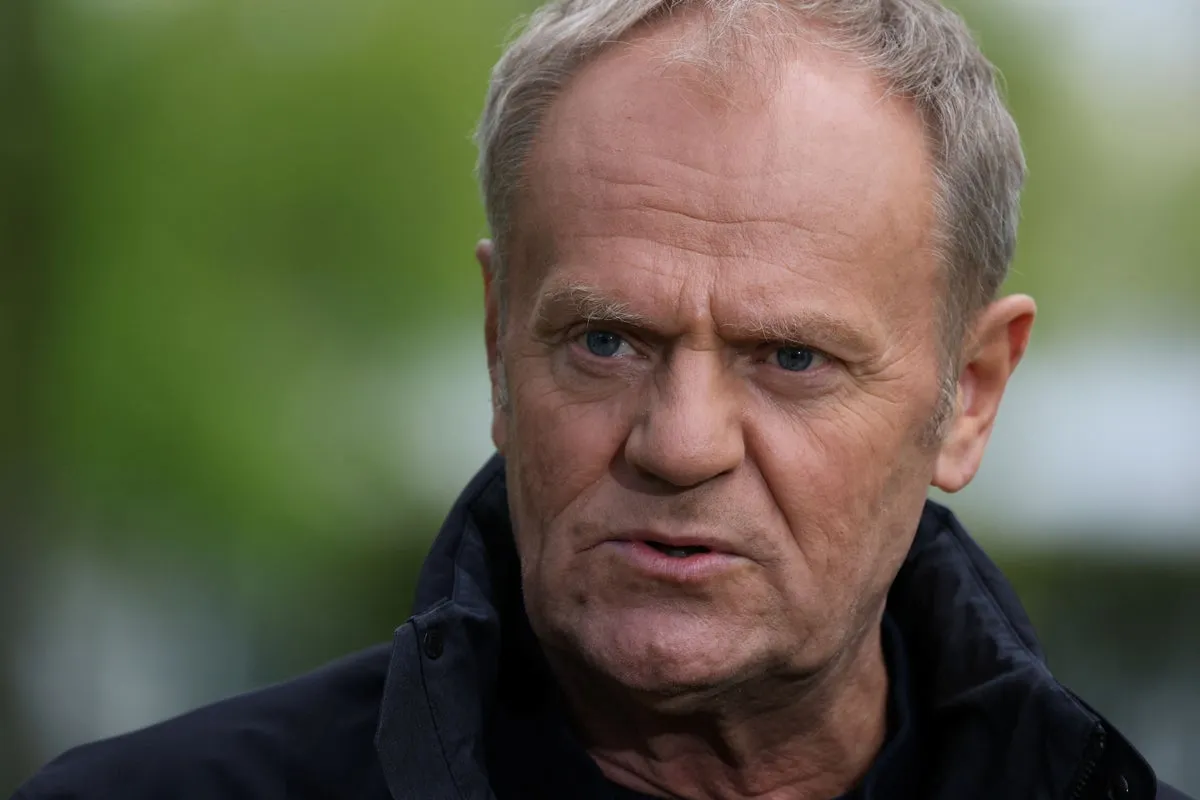
On May 2, 2026, Donald Tusk articulated a pressing concern regarding NATO, asserting that the alliance is facing disintegration as a result of ongoing tensions and significant troop withdrawals by the United States. His remarks came against a backdrop of rising discord within NATO, particularly in light of the US’s decision to withdraw approximately 5,000 troops from Germany, which hosts nearly 40,000 US military personnel as part of its defense commitments in Europe.
Tusk emphasized that the greatest threat to the transatlantic community stems not from external adversaries but rather from this internal fragmentation of NATO itself. He underscored that collective action is essential to reverse what he described as a “disastrous trend,” indicating that failure to address these issues could have dire consequences for global security.
Key facts:
- The United States announced plans to withdraw around 5,000 troops from Germany, raising concerns about NATO’s cohesion.
- Tusk highlighted that Germany currently hosts nearly 40,000 US military personnel, a pivotal aspect of NATO’s presence in Europe.
- The rift within NATO has intensified due to differing views on the ongoing US-Israeli war against Iran.
Tusk’s comments reflect growing unease among European leaders regarding US military strategies and their implications for transatlantic relations. Notably, German Chancellor Friedrich Merz criticized the United States for lacking a coherent exit strategy concerning its involvement in the Iran war, suggesting that such shortcomings contribute to NATO’s current vulnerabilities.
The interplay between defense spending and military presence further complicates this situation. Poland, for instance, has committed to spending 5 percent of its GDP on defense this year, signaling a shift toward greater self-reliance amid uncertainties surrounding NATO’s future. While Tusk advocates for unity and collaboration among member states, it remains unclear how effectively these calls will resonate within an alliance grappling with divergent national interests.
As tensions mount and discussions continue regarding NATO’s strategic direction, officials have yet to provide a clear timeline or framework for addressing these challenges. The evolving dynamics suggest that both immediate actions and long-term strategies will be crucial in determining whether NATO can maintain its integrity in an increasingly complex geopolitical landscape.