
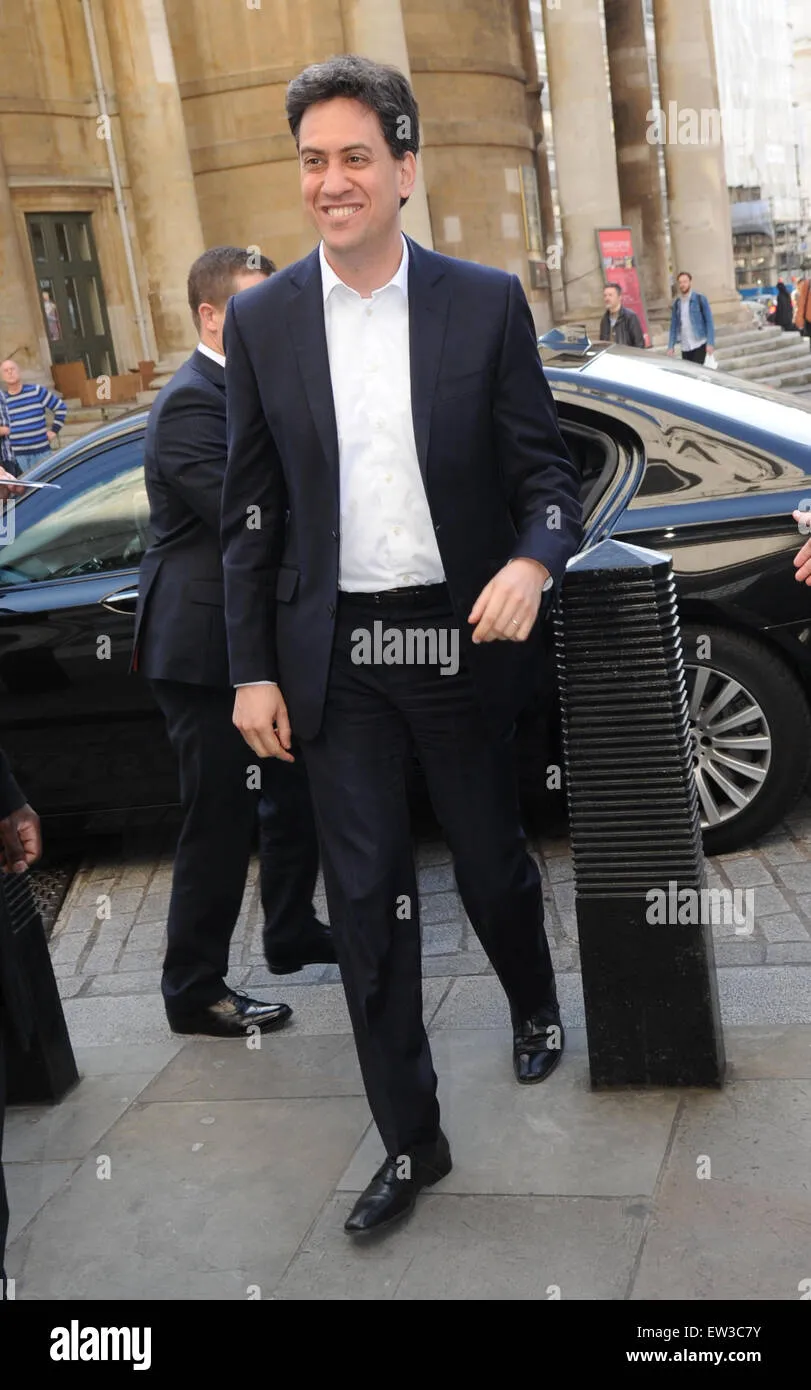
On March 5, 2026, Ed Miliband’s vocal opposition to US military action in Iran ignited a significant Cabinet rebellion within the Labour Party, as various party members rallied behind his pacifist stance against involvement in the ongoing conflict.
Miliband, who previously led the campaign to block military intervention in Syria in 2013, articulated his concerns during a National Security Council meeting, where he emphasized that the UK could not commit British military forces without a clear plan. His position garnered support from key figures including the Chancellor and Foreign Secretary, who aligned with his views on avoiding escalation in the Iran conflict.
Despite this internal support, Prime Minister Sir Keir Starmer reversed course shortly after, permitting the US to utilize British bases for defensive operations. This decision has further polarized opinions within the Labour Party and raised questions about its unified stance on foreign policy.
Key statistics related to the energy crisis:
- BP reported first-quarter profits of £2.4 billion amid rising tensions in Iran.
- The company contributed £4.4 billion to the Treasury in 2024, with £1.2 billion derived from direct taxes on its profits.
- The UK is facing what many describe as its biggest energy crisis ever, prompting discussions about potential windfall taxes on major corporations like BP.
Miliband has also threatened to impose a windfall tax on BP’s global profits if it were to leave the UK market, suggesting that such a move would signal to international investors that the UK is “closed for business.” He warned that if BP were to relocate its listings to New York instead of London, it would have significant implications for Britain’s economic landscape.
The fallout from Miliband’s stance continues to resonate within party circles. Wes Streeting commented on past hesitations regarding military intervention, stating, “I think we can say looking back on the events of 2013 that hesitation created a vacuum that Russia moved into and kept Assad in power for much longer.” Such reflections indicate a broader concern about how current decisions may shape future geopolitical dynamics.
As reactions unfold, Labour Party members are left grappling with their positions on both foreign policy and domestic economic strategies amidst an escalating energy crisis that has implications for millions of households across the UK. The debate surrounding these issues is expected to intensify as more voices emerge from within and outside the party.