
Changing Climate Patterns
Historically, the climate has oscillated between warmer and cooler phases due to the El Niño-Southern Oscillation (ENSO) cycle, which has been recognized since the 1600s by fishermen off the coast of South America. Prior to the anticipated shift, the world was experiencing a La Niña climate pattern, characterized by cooler ocean temperatures in the central and eastern Pacific. This pattern typically leads to a variety of weather phenomena, including increased hurricane activity in the Atlantic.
Emergence of El Niño
However, as we approach the summer of 2026, forecasts indicate a significant change. There is a 62% chance that El Niño will emerge between June and August 2026, marking a decisive moment in global climate dynamics. This transition is expected to drive up average global temperatures, with predictions suggesting that 2026 could see a notable increase, potentially surpassing the record-breaking temperatures of 2023.
Immediate Effects on Weather Patterns
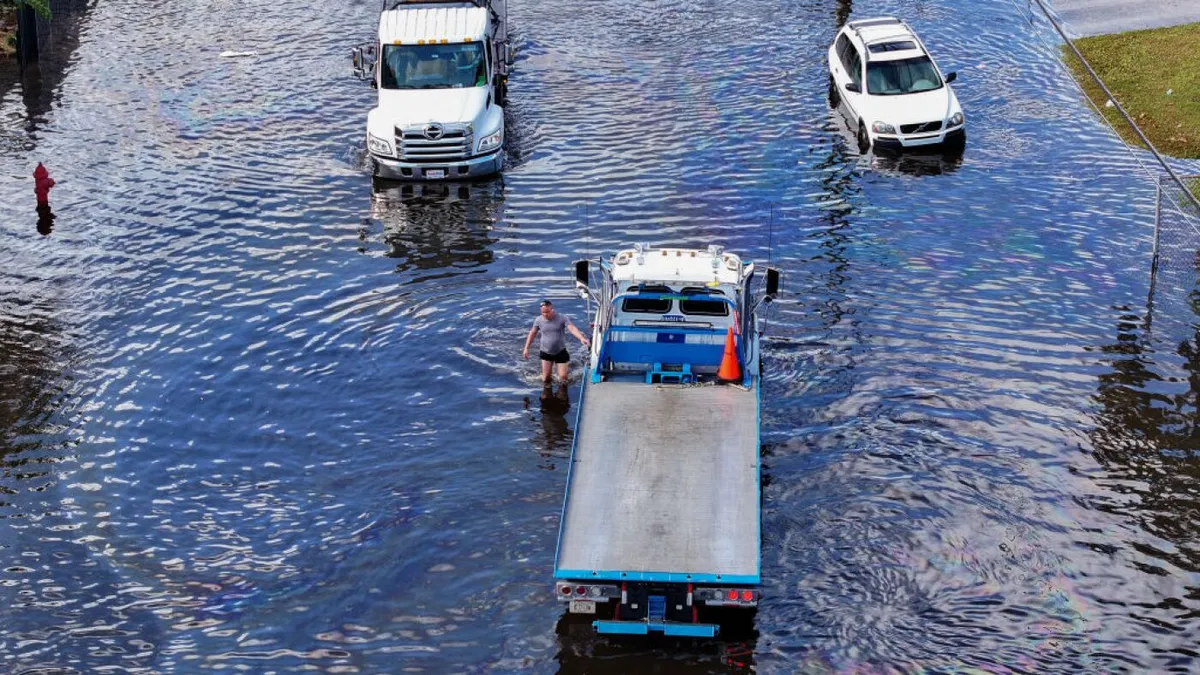
The direct effects of a strong El Niño are profound. It can lead to heat waves, droughts, and flooding across various regions of the world. For instance, the typical rise in air over the tropical Pacific during an El Niño event reduces the number of hurricanes in the Atlantic, which could have implications for weather patterns and disaster preparedness in affected areas.
Expert Insights on the Shift
Experts are closely monitoring these developments. Daniel Swain notes, “Even though the evidence is still early, this could be a very significant event in 2026 and lingering into 2027.” His insights reflect a growing consensus among climatologists that the upcoming El Niño could be stronger than previous occurrences, with a 1-in-3 chance of reaching ‘strong’ status during the latter part of 2026.
Potential for a Super El Niño
As the situation evolves, there is speculation about the possibility of a Super El Niño by the end of 2026. This would represent an extreme phase of the phenomenon, characterized by even more pronounced impacts on global weather systems. Current data suggests that the subsurface warm pool, which is crucial for the development of El Niño, is located at depths of 100-250 meters, or 300-800 feet, which could further influence the strength of the event.
Looking Ahead
While the transition from La Niña to El Niño is underway, uncertainties remain. The exact strength of the upcoming El Niño is uncertain, and the specific impacts on regional weather patterns are not fully confirmed. As Zeke Hausfather succinctly puts it, “The El Niño cometh,” but the full scope of its effects will depend on various factors as we approach the summer months.
In summary, the anticipated emergence of El Niño in 2026 marks a significant shift in climate patterns, with potential implications for global temperatures and weather phenomena. As experts continue to analyze the situation, the world remains poised for what could be a transformative year in climate dynamics. Details remain unconfirmed.