
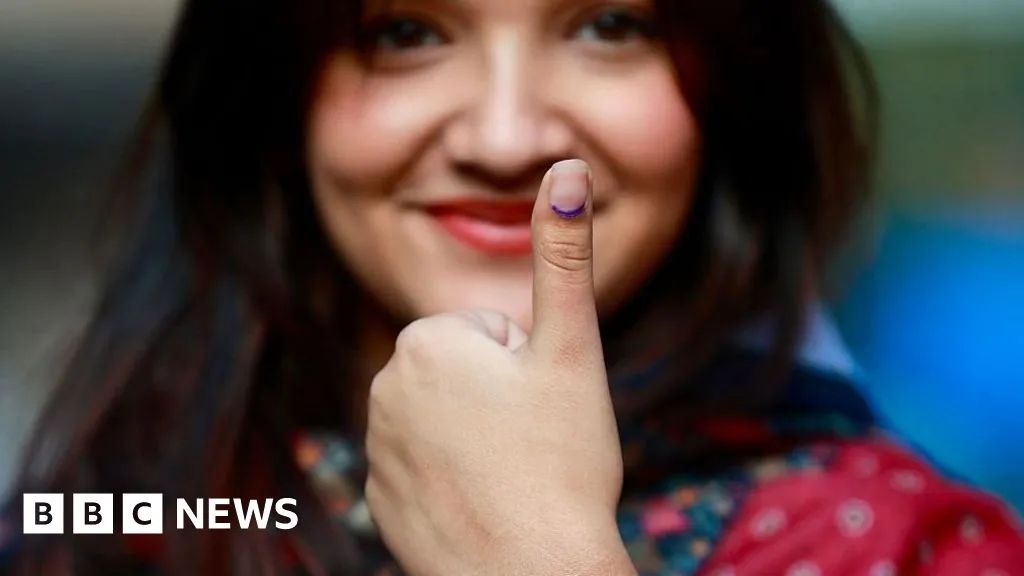
Election Overview
Nepalese citizens participated in parliamentary elections on March 5, 2026, marking a pivotal moment in the country’s political landscape. This election is the first since the Gen Z protests that led to the resignation of Prime Minister Khadga Prasad Sharma Oli.
The Election Commission reported an estimated voter turnout of 60 percent, with around 3,400 candidates competing for 165 seats in the House of Representatives through direct voting.
Preliminary Results
As the vote counting commenced late on March 5, preliminary results indicated that the Rastriya Swatantra Party (RSP) was leading in 36 seats. Notably, RSP candidate Ranju Darshana won the Kathmandu 1 constituency by a significant margin, securing 10,000 votes.
The remaining 110 seats will be filled through a proportional representation system, with 3,135 candidates vying for those positions.
Context of the Election
This election follows months of protests demanding accountability, job opportunities, and an end to corruption, which resulted in the deaths of at least 77 people. The aspirations of the youth, expressed during the Gen Z protests, are seen as a driving force behind the electoral participation.
Voter Luniva expressed her motivation to participate, stating, “I came to vote mainly because of the protest and so many people gave their lives in the hope of a change, in hope of seeing a better Nepal.”
Significance of the Election
The election is viewed as critical in addressing the demands of the youth and shaping the future of Nepal. Political analysts, including Puranjan Acharya, emphasized the importance of this election in fulfilling the aspirations of the younger generation.
Vote counting is expected to be completed by March 6, 2026, and the results will play a significant role in determining the political direction of Nepal in the coming years.