
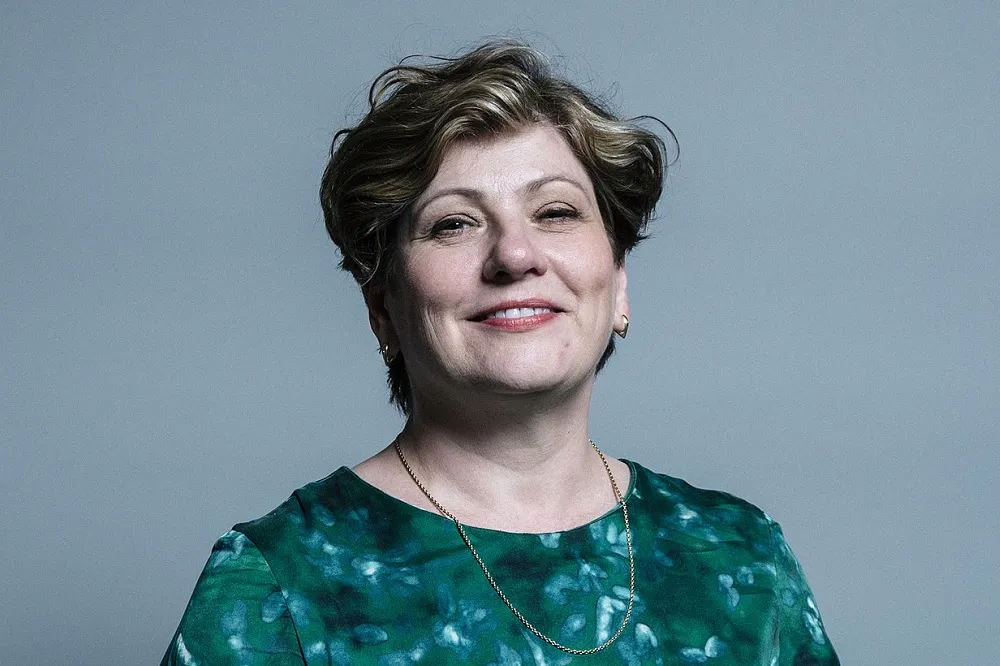
Emily Thornberry’s Critique of Labour’s Stance
In a recent statement, Emily Thornberry expressed her concerns regarding the Labour Party’s current position on transgender rights, saying, “I think that we have been trying to be something that we’re not, and I don’t think that we need to do that.” Thornberry, a senior Labour MP and chair of the Commons Foreign Affairs Committee, highlighted a growing unease within the party about its leadership’s approach to trans equality.
Thornberry’s comments come in the wake of a controversial Supreme Court ruling that defined ‘woman’ in equality legislation as referring to biological sex, which has led to significant political pressure on Labour. Following this ruling, the party made the decision to ban trans women from attending the Labour Party women’s conference, a move that has drawn criticism from various quarters.
Reflecting on the implications of these decisions, Thornberry stated, “If the Labour Party doesn’t look after trans people, what are we about?” Her remarks underscore the vulnerability of trans individuals, who she noted are often marginalized in society. This perspective is particularly poignant given Labour’s previous commitment to trans equality, which included pledges to introduce a system of gender self-identification that was ultimately abandoned in 2023.
Thornberry also criticized the influence of Morgan McSweeney, a key figure in Labour’s leadership, on the party’s stance regarding trans rights. She remarked, “I think some of this social conservatism that was being promoted did not come naturally to us,” indicating a disconnect between the party’s traditional values and its current direction.
The internal debate over trans rights within Labour reflects broader societal discussions about gender identity and equality. Thornberry’s candid acknowledgment of the party’s missteps suggests a potential shift in the conversation as members seek to reconcile their values with the realities faced by trans individuals.
As the Labour Party navigates these complex issues, Thornberry’s statements may signal a call for a reevaluation of its policies and a renewed commitment to inclusivity. The party’s leadership, including Keir Starmer and Bridget Phillipson, will likely face increasing pressure to address these concerns as they prepare for future electoral challenges.
Details remain unconfirmed regarding how Labour plans to respond to the criticisms raised by Thornberry and others within the party. However, her remarks highlight a critical juncture for Labour as it seeks to define its identity and values in an evolving political landscape.