
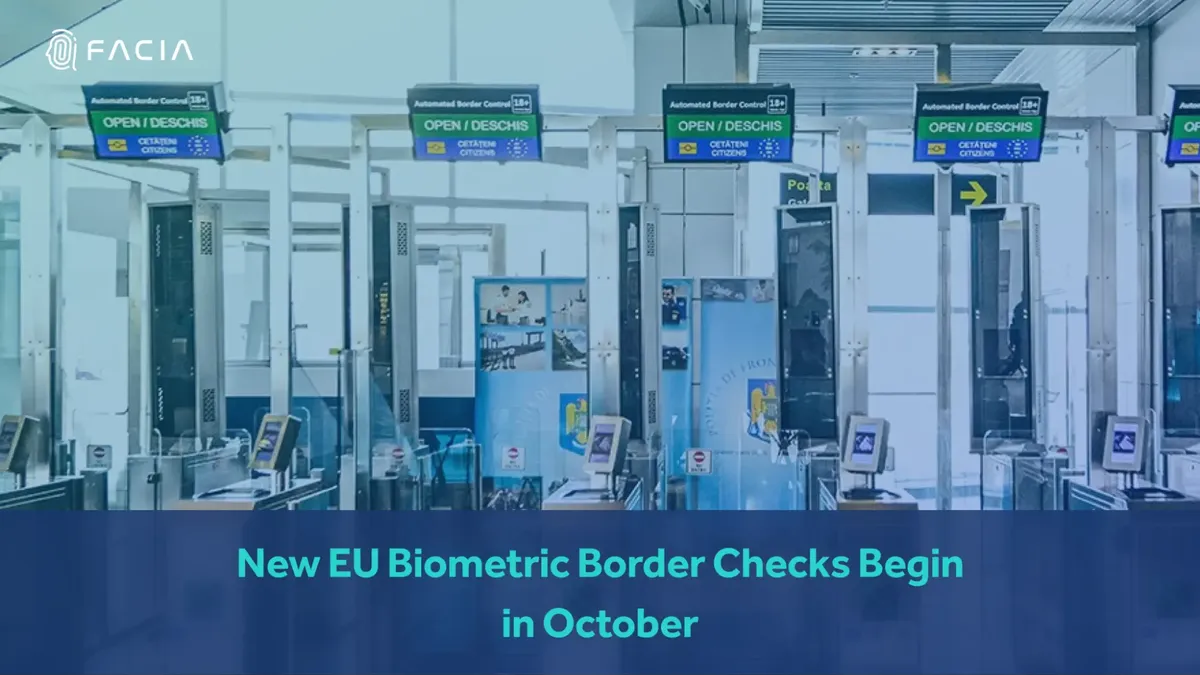
On April 29, 2026, a family endured a distressing 11-hour ordeal at Charles de Gaulle airport in Paris, primarily due to delays stemming from the newly implemented EU border biometric checks. David Newton and his family arrived three hours ahead of their flight but found themselves stranded in the departures area for an unexpectedly prolonged period.
The complications arose shortly after the full launch of the Entry/Exit System (EES) on April 10, 2026, which requires non-EU nationals to provide fingerprints and a facial photo as part of standard passport control procedures. According to reports, thousands of passengers queued at border control, with Newton describing the situation as “mayhem.”
Despite having 15 booths available for processing, only about a third were manned, which contributed to significant delays. Documents indicate that passengers faced waits of over five hours in queues for EES checks, while manual processing took approximately five minutes per person. This inefficiency was exacerbated by ongoing technical issues affecting EES kiosks at major hubs in France.
As the family waited, they witnessed others in distress—”There were people coming up crying, saying, ‘Excuse me, I’m going to miss my flight,’” Newton recounted. Ultimately, they managed to get through passport control two hours after their flight had departed and then spent another four hours checking in their luggage again.
The European Commission has stated that while the EES system has been functioning well in most member states since its launch, several European countries have temporarily suspended biometric checks due to similar long queues. Greece has notably halted these checks for British nationals amid growing concerns over travel delays.
ACI Europe has warned that during peak travel periods, passengers may experience delays of up to three hours. The exact duration of the technical issues affecting EES kiosks remains unclear, and officials have not provided a timeline for resolving these problems.
In light of these experiences and ongoing challenges with the Entry/Exit System, some travelers are reconsidering their options; David Newton suggested he might prefer driving rather than facing such extensive travel delays in the future. As airports navigate these new regulations, it remains evident that significant adjustments are necessary to improve border processing efficiency.