
The Isle of Wight Festival is a yearly music event that takes place on the Isle of Wight in England. This article will offer a comprehensive look at its background and headlining performers. With this information, you will be equipped to organise your trip to the festival, learn about its schedule, discover ticket prices, and find accommodation options in the vicinity.
| Name | Isle of Wight Festival |
| Location | Seaclose Park, Newport, Isle of Wight, England |
| Type and Genres | Music festival (rock/pop/electronic music) |
| Duration | 4 days (Thursday–Sunday) |
| Dates | 18-21 June |
| Attendance | Approximately 55,000 people annually |
| Organizer | Isle of Wight Festival / Live Nation |
| Format | Camping + day passes |
| Tickets | Weekend and single-day passes; weekend passes start at approximately £200 |
Chronicle of the Isle of Wight Festival
The inaugural festival occurred in 1968. Initially, events were hosted at Ford Farm, Wootton, and Afton Down. The very first local gathering on the island drew in approximately 20,000 attendees. By the following year, the number of participants had surged to 150,000. The 1970 festival set a record as the largest ever, welcoming around 600,000 visitors, surpassing even Woodstock. The line-up featured Jimi Hendrix alongside other renowned performers.
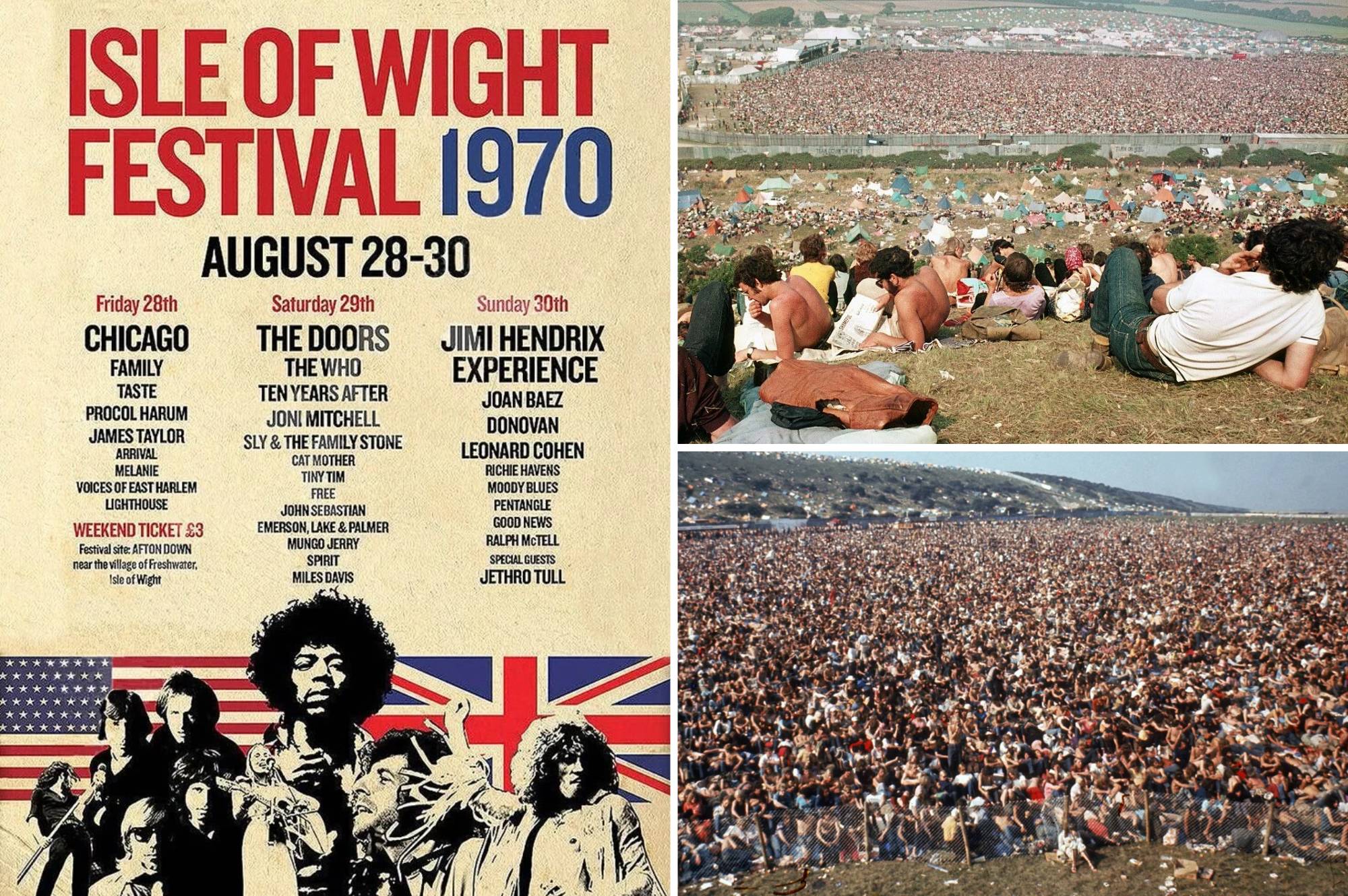
In 1971, following an unforeseen surge in attendees, the British Parliament enacted legislation that prohibited gatherings on the island exceeding 5,000 individuals without special authorisation. The festival made a comeback in 2002. Since that time, it has been conducted every year, with the exception of 2020, when it was cancelled due to the COVID-19 pandemic. The festival has genuinely experienced a revival and has once again emerged as a significant event, rather than simply a nostalgic reminiscence of the 1970s.
Location of the Isle of Wight Festival
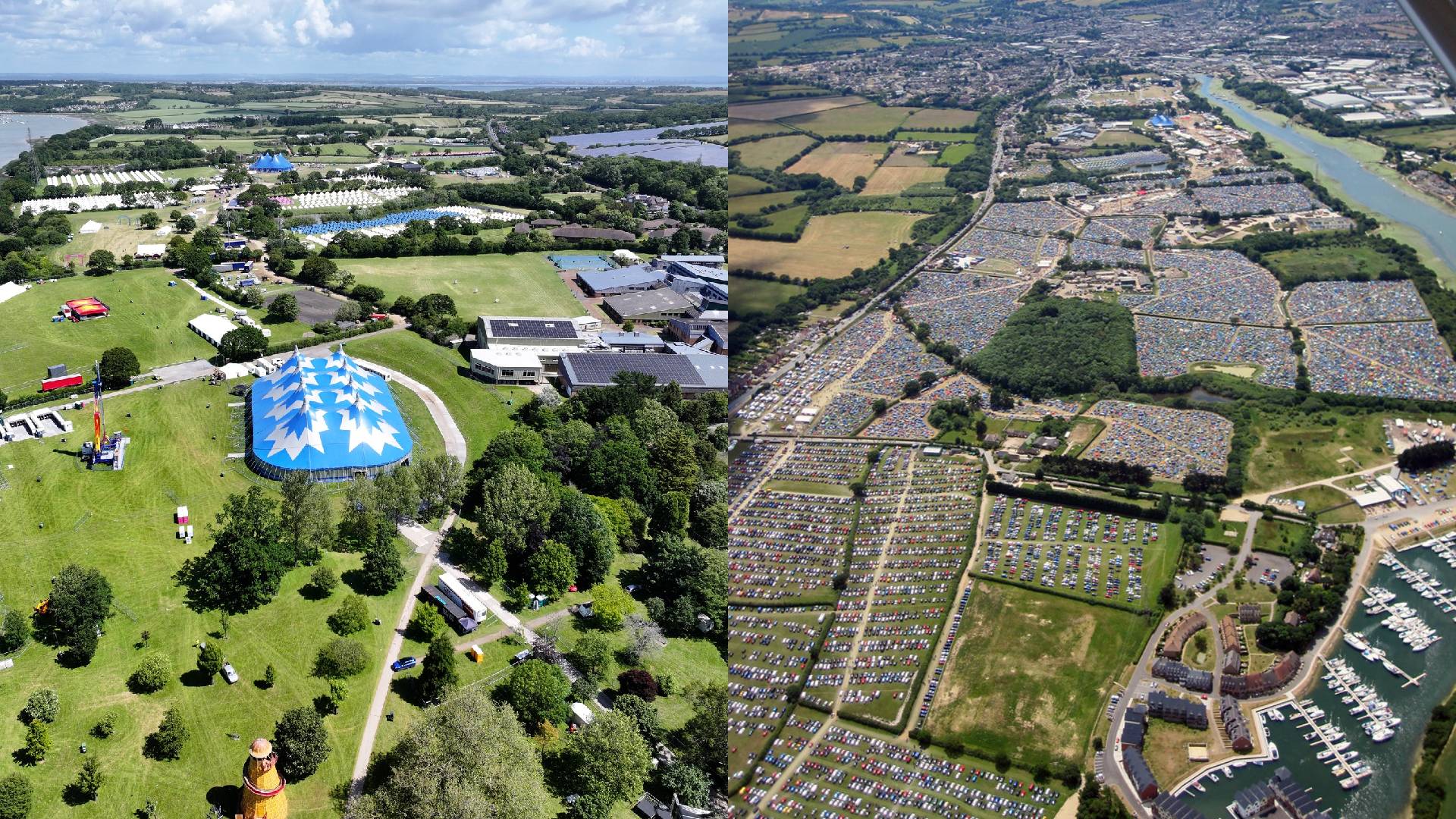
The festival is hosted in Great Britain, specifically on the Isle of Wight – an independent island situated off the southern coast of England. The primary location for events is Seaclose Park in Newport on the Isle of Wight. The island itself is relatively small and draws in visitors with its holiday vibe. The extensive festival grounds are encircled by the sea, cliffs, and lush greenery.
Map of the Isle of Wight Festival
The festival map serves not merely as a layout indicating ‘where the stages are’, but as a detailed representation of a small community that operates for four days. It illustrates the positions of:
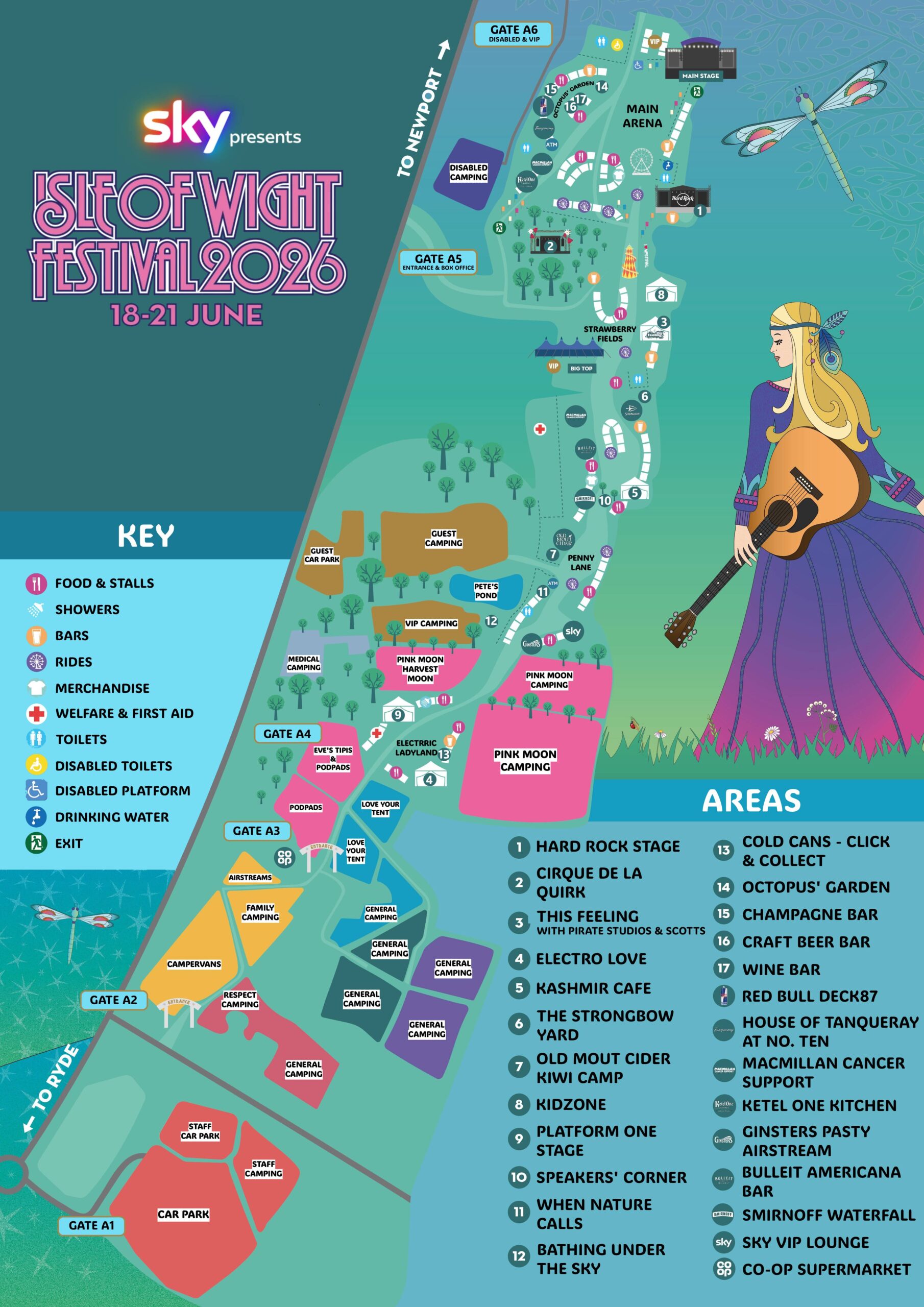
- the campsite;
- the main arena;
- service areas;
- entrances.
The festival grounds feature camping zones – a tent city that stretches along the banks of the River Medina. The Main Arena includes the principal stage along with additional stages. Prominent acts like The Cure or Calvin Harris take the spotlight on the main stage, while the supplementary stages showcase up-and-coming artists.
The camping section and the arena are divided by the main gates, with distinct entrances available. Facilities at the festival comprise showers, toilets, water supply points, first-aid services, and security personnel, along with relaxation areas. The car park is situated outside the camping zone and can be accessed either on foot or via a shuttle bus.
2026 Isle of Wight Festival Line-up
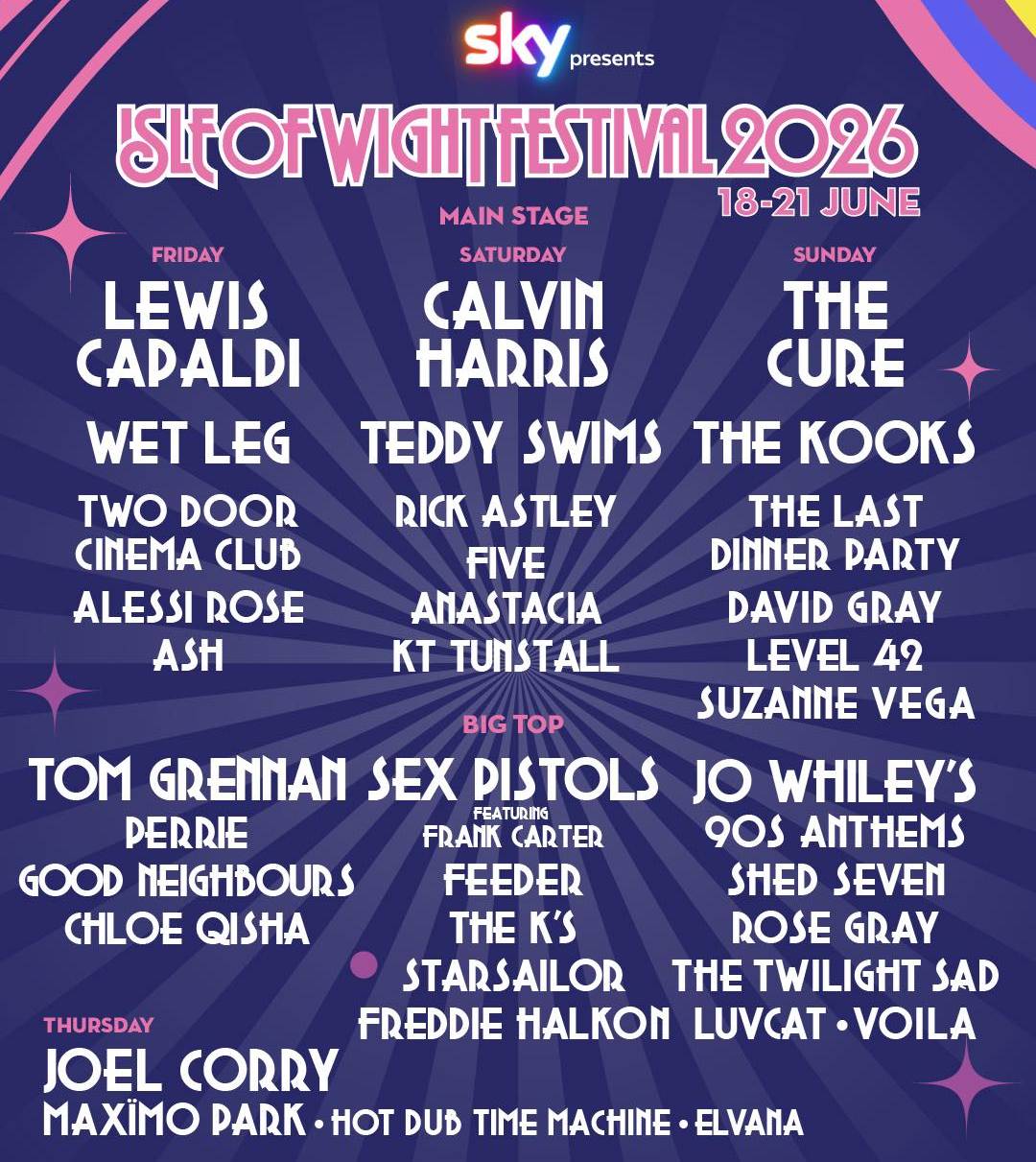
The line-up for the Isle of Wight Festival showcases performances from both iconic musicians and emerging talents. The event includes a main stage along with several additional stages. For many attendees, it is closely linked to Wet Leg, a band originating from the Isle of Wight, whose members were raised in the town hosting the festival.
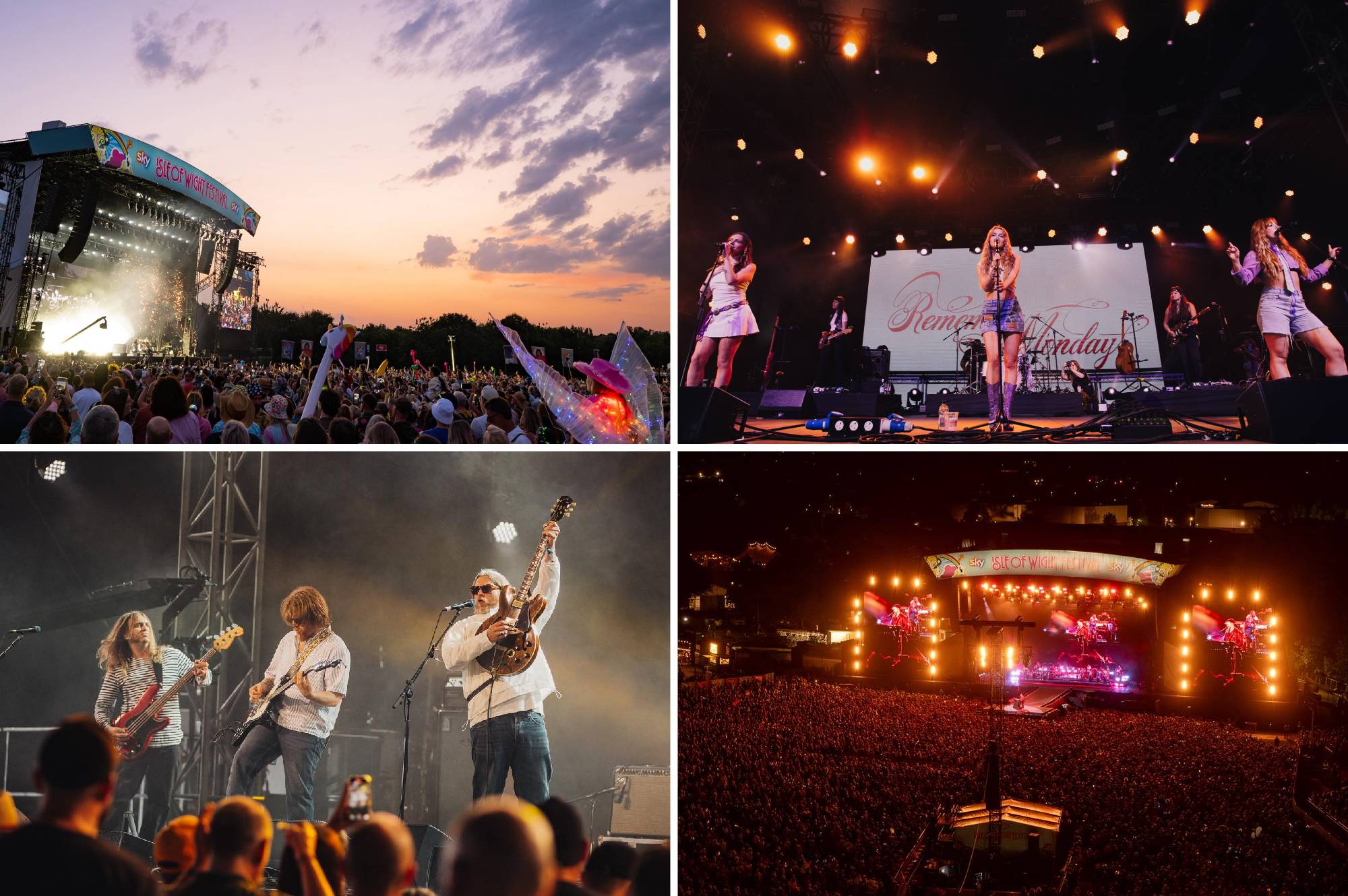
Throughout its history, the festival has featured headliners such as the American southern rock group Kings of Leon, who later transitioned to a more stadium-oriented alternative rock style. The band delivered memorable performances on the Festival IOW stage in 2011 and 2014.
In 2025, festival-goers on the Isle of Wight enjoyed a show by British pop artist Olly Murs, who gained prominence after his stint on The X Factor.
In 2022, attendees were entertained by the indie pop-rock group Blossoms, recognised for their nostalgic synth-driven sound.
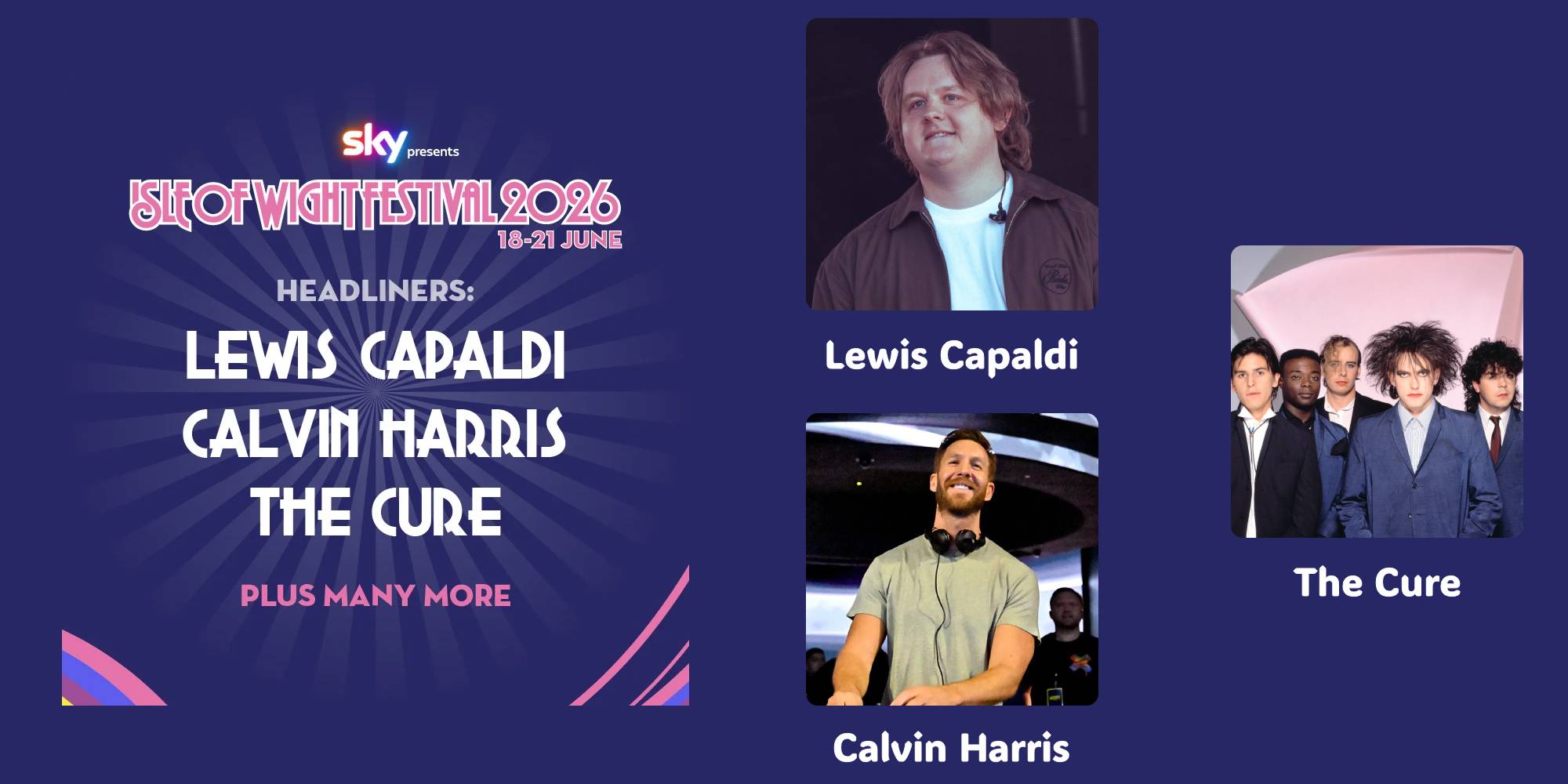
For 2026, the organisers have secured equally renowned performers. The line-up is expected to delight any music enthusiast. The headliners confirmed for this year’s edition include:
- Lewis Capaldi – a Scottish artist known for his straightforward yet memorable pop tunes. He gained fame with ballads like ‘Someone You Loved’. After a break from performing, he is set to make a significant return at the festival.
- Calvin Harris – one of the most accomplished DJs globally, renowned for crafting festival anthems that energise the audience. His performances embody that exhilarating atmosphere. Calvin Harris has previously taken the stage at the festival.
- The Cure – icons of British rock, known for their atmospheric and somewhat melancholic yet unmistakable sound. Their lead vocalist, Robert Smith, is a legendary figure. They will be the closing act for the weekend at the festival.
| Day | Artists |
|---|---|
| Thursday (18 June) | Joel Corry, Maxïmo Park, Hot Dub Time Machine, Elvana |
| Friday (19 June) | Lewis Capaldi (headliner), Wet Leg, Tom Grennan, Two Door Cinema Club, Ash, Alessi Rose, Perrie, Good Neighbours, Chloe Qisha |
| Saturday (20 June) | Calvin Harris (headliner), Teddy Swims, Sex Pistols ft. Frank Carter, Rick Astley, Anastacia, KT Tunstall, Five, Feeder, Starsailor, The K’s |
| Sunday (21 June) | The Cure (headliner), The Kooks, The Last Dinner Party, David Gray, Suzanne Vega |
Visitor Information
It is advisable to organise your trip to the Isle of Wight Festival ahead of time. Discover the ticket prices, parking options, and how to reach the festival location.
Tickets
A four-day pass that includes camping is priced at roughly £320 (fees included). The sooner you purchase, the lower the cost, and the opposite is also true.
Discounted prices are available for residents of the island, costing around £289. These tickets can only be purchased for a limited duration.
It is not mandatory to buy a ticket for the entire weekend; you have the option to purchase a single-day ticket. In prior years, the typical cost for such a ticket ranged from €100 to €130. The price fluctuates based on the specific day. This ticket allows entry to the festival but does not include access to the campsite.
Tickets for children and teenagers
- 0–2 years — free
- 3–8 years — around £15–25
- 9–12 years — around £25–35
- 13–15 years — an adult ticket is required
Children can only attend the festival when accompanied by an adult. Additional expenses include parking, which costs approximately €35–42 per day. The price for festival tickets that include camping ranges from £350 to £500.
Event Dates and Timings
In 2026, the festival is scheduled to occur from 18 to 21 June:
- Thursday — arrival and commencement of the campsite
- Friday–Sunday — primary concerts
- Monday morning — campsite closure
The campsite typically opens on Thursday morning, and from that point, the area becomes vibrant with the complete festival atmosphere.
Lodging Options
The weekend ticket includes standard camping, where tents are set up directly on the festival grounds. The camping section provides facilities such as showers, toilets, food vendors, and bars.
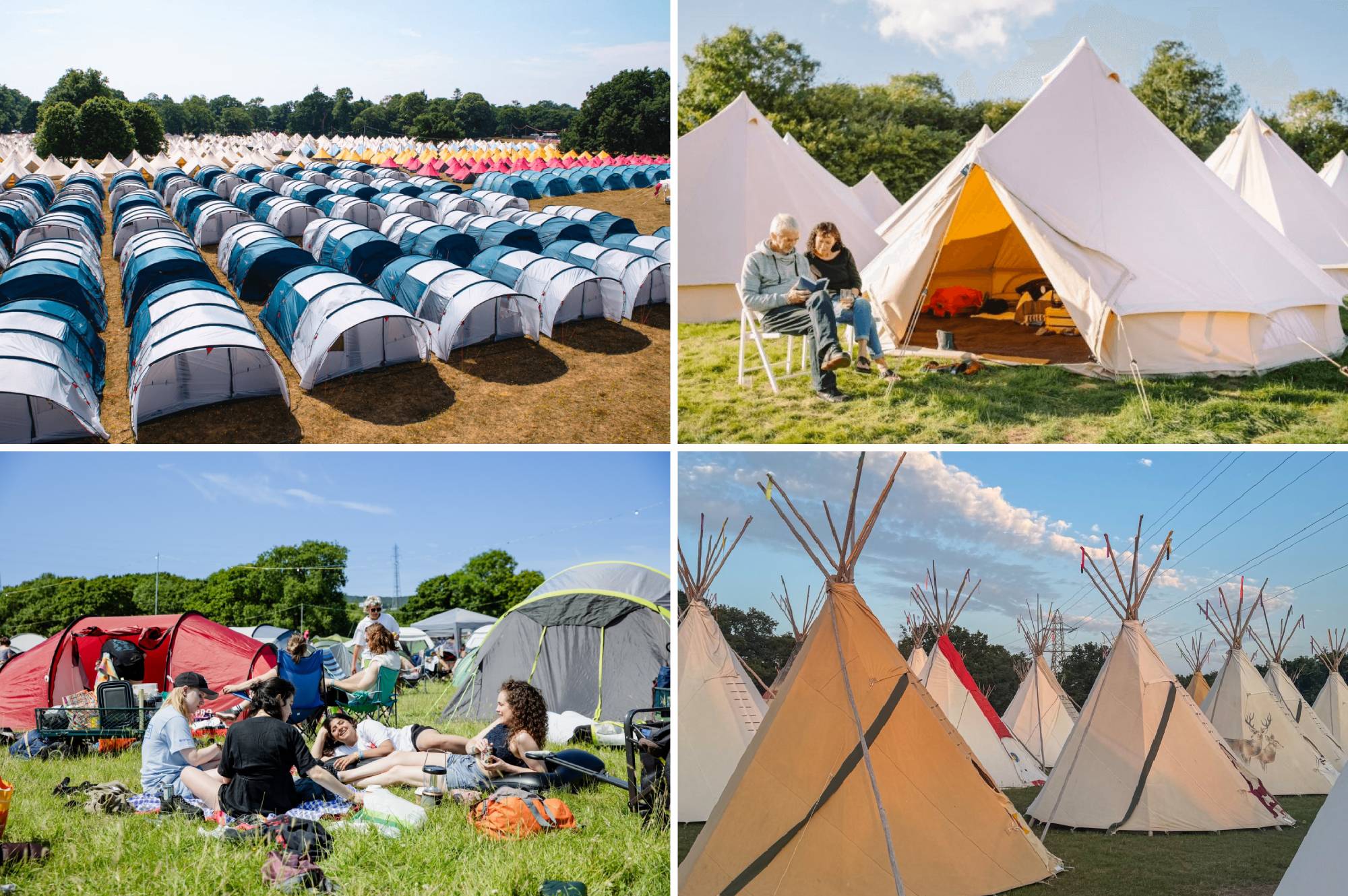
Boutique camping, also known as glamping, offers pre-erected tents or marquees that come with beds and electricity. This choice is pricier but provides a greater level of comfort.
The third alternative is the campervan zone, which consists of designated areas for campervans. Accessing this section requires an additional ticket costing £300 on top of your festival pass; with electricity, the price rises to £450.
The priciest option available is premium camping, referred to as Love Your Tent. To utilise this option, an extra fee of £100–£200 is required in addition to your standard ticket.
Culinary offerings
The festival will feature an abundance of food options. Attendees can anticipate:
- food courts offering dishes from various nations;
- bars providing beer, cider and cocktails;
- vegetarian and vegan meal options;
- coffee, desserts and street food.
Ways to reach the festival site
There are multiple methods to arrive at the festival location. Opt for the transport choice that suits you best.
Ferry and transport
The most common choice is to take a train or drive to the southern coast of England. A ferry service operates to the Isle of Wight, arriving at Newport or Ryde. The remainder of the trip can be completed by bus or taxi to Seaclose Park.
Shuttle services
To assist visitors, shuttle services operate from the ferry terminals. There are no transportation problems during the festival.
By car
Travel to the ferry terminal. Once you arrive on the island, proceed to the festival parking area.
Parking Facilities
The festival grounds feature a dedicated car park. A parking permit must be acquired separately in addition to the main admission ticket. You are permitted to enter and exit the car park at any time during the weekend. Availability is limited, so it is advisable to secure your permit in advance.
 Website
 Facebook
 YouTube
 Instagram
Common inquiries
What are the dates for the Isle of Wight Festival?
The Isle of Wight Festival typically occurs annually in June. In 2026, it is scheduled to take place from 18 to 21 June – Thursday to Sunday. The event is nearly always a four-day affair.
What is the cost of tickets for the Isle of Wight Festival?
The ticket prices vary based on the sales stage, but they typically average around £200 for the entire weekend. Additional charges apply for parking and camping packages.
Which channel broadcasts the Isle of Wight Festival?
The festival is not associated with a dedicated permanent television channel. Instead, it is aired through various British TV networks or online services. Occasionally, some performances are offered as recordings or through live streaming (either officially or via media partners). Typically, these broadcasts are only partial in nature.
What is the attendance at the Isle of Wight Festival?
Typically, approximately 50–55,000 individuals attend each year. This figure reflects the number of attendees since the festival was revived in 2002.
What is the number of stages at the Isle of Wight Festival?
Alongside the Main Stage, the festival includes several other stages. The total typically changes each year, generally reaching approximately five.
What year did the Isle of Wight Festival first occur?
The inaugural Isle of Wight Festival was held in 1968. The most significant edition, which drew in hundreds of thousands of attendees and became one of the largest in the history of British festivals, occurred in 1970. Following that, the festival was absent for many years and only made a comeback in 2002.
Is it allowed to bring alcohol to the Isle of Wight Festival?
Bringing alcohol into the Main Arena is not allowed, however, it is generally permitted in the campsite (in moderate amounts for personal use). This is outlined in the general guidelines for attendees. Alcoholic beverages are available for purchase at bars located on the festival grounds.