
The National Trust’s ‘Puffin Cam’ has returned for a second season on the Farne Islands, providing an engaging live stream of seabird activities while simultaneously addressing the impact of recent bird flu outbreaks and extreme weather conditions. The camera will allow viewers to witness the antics of puffins and other seabirds as they engage in their breeding season.
Laura Knowles, a representative from the National Trust, stated, “The breeding season is always a special time of year as our ranger teams gear up to monitor the birds daily over the spring and summer months.” This initiative comes in light of significant mortality rates linked to avian influenza, with over 6,000 dead birds recorded in 2022 and more than 3,500 in 2023.
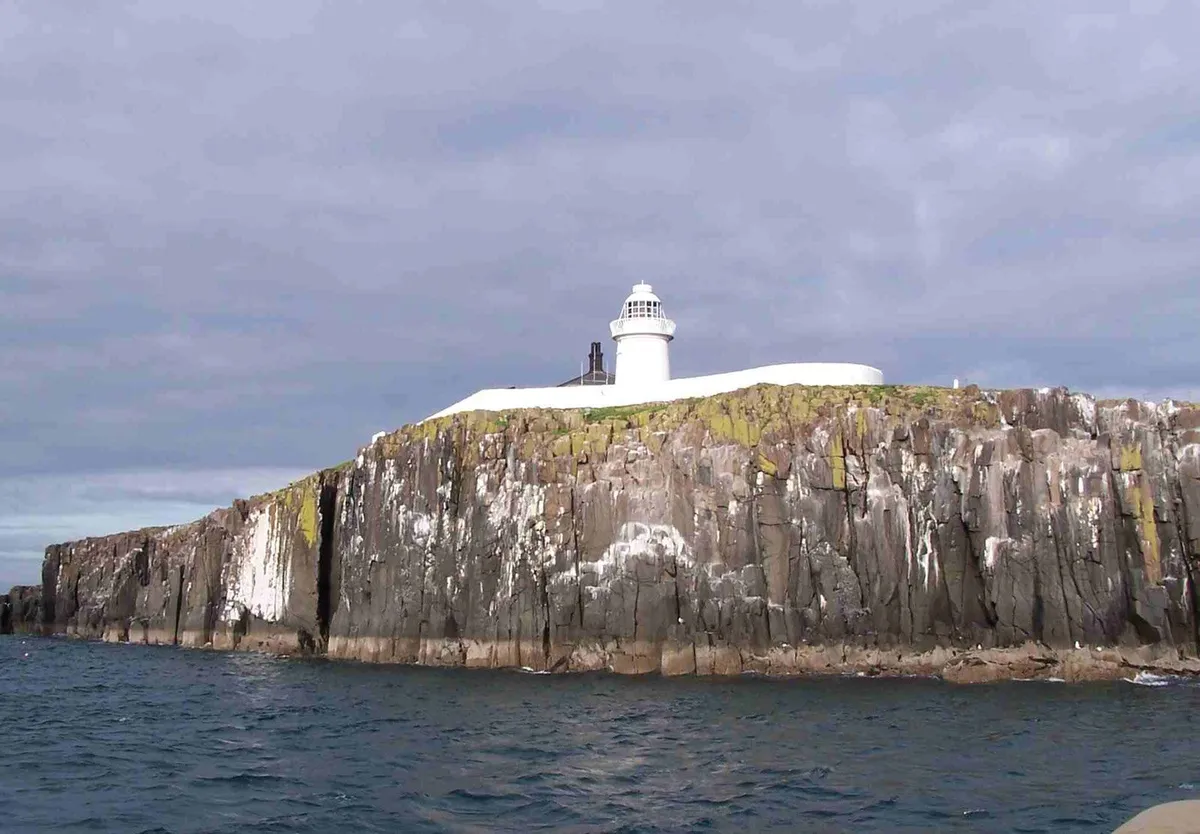
The Farne Islands are home to approximately 200,000 seabirds, including puffins, Arctic terns, guillemots, and kittiwakes. The live stream attracted over 250,000 views last year alone, reflecting a growing public interest in wildlife conservation. However, officials remain concerned about the long-term effects of bird flu on these populations.
According to Sophia Jackson, another National Trust official, “We’ve been closely monitoring the impact of bird flu as part of international research into the disease.” In addition to monitoring seabird populations through daily counts during the breeding season, ranger teams will conduct further assessments next month to evaluate the overall health of these birds following recent storms that have caused significant damage across the Atlantic coast.
Visitor boats have reopened for the season on the Farne Islands, allowing nature enthusiasts to explore this unique ecosystem while contributing to wildlife conservation efforts. The National Trust plans to take Puffin Cam on a UK tour as part of its Window to the Wild project, aiming to raise awareness about seabird monitoring and conservation.
The recent storms—Goretti, Ingrid, and Chandra—have posed additional challenges for wildlife in the region. Ben McCarthy from the National Trust remarked, “We don’t yet know what this means for the puffin and other seabirds which are returning to breed on the Farnes this year.” This uncertainty underscores ongoing concerns regarding climate change and its impact on wildlife habitats.
As annual seabird counts are set to be completed in June, stakeholders hope to gain clearer insights into population dynamics. However, uncertainties linger about how these factors might affect future breeding seasons.