
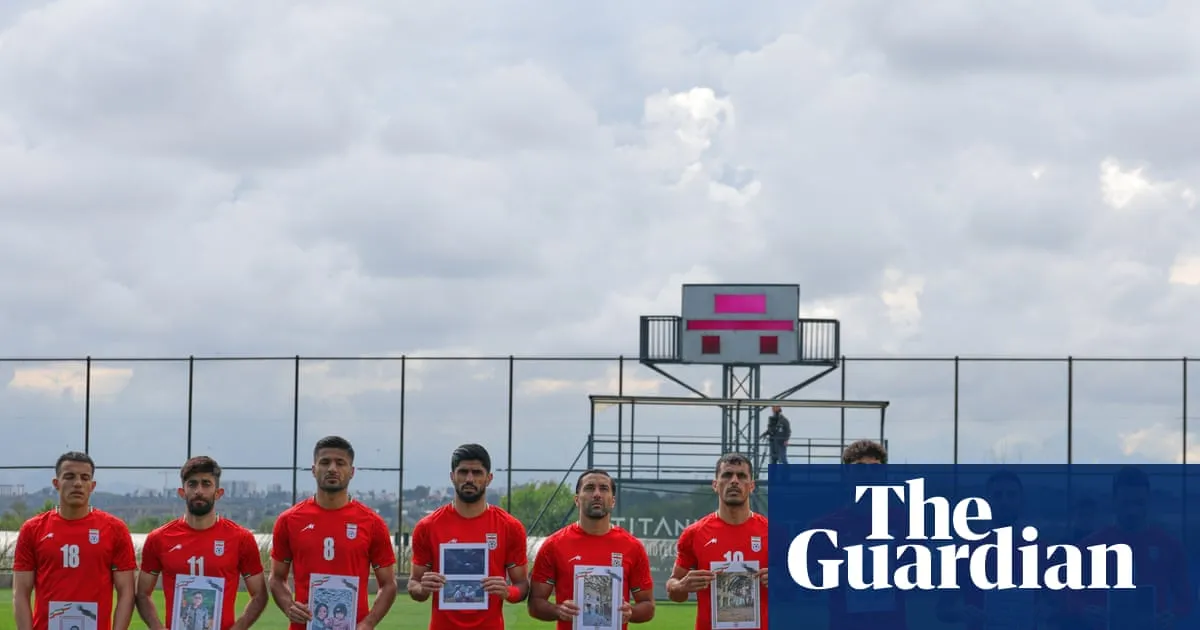
In a significant development, FIFA has confirmed that Iran will participate in the 2026 World Cup, scheduled to kick off on June 11, 2026, across the United States, Mexico, and Canada. This announcement comes despite the ongoing conflict involving Iran, the United States, and Israel, which has raised questions about the feasibility of their participation.
Iran’s qualification for the World Cup is noteworthy; the nation has successfully reached the men’s World Cup for four consecutive tournaments and six out of the last eight overall. Their first match in Group G will be against New Zealand on June 15, 2026, with all of Iran’s matches set to take place in the United States, as confirmed by FIFA.
The backdrop to this announcement is the tragic airstrike on a school in Iran, which resulted in the deaths of 170 people. This event has intensified scrutiny over Iran’s international standing and its ability to participate in global events like the World Cup.
FIFA President Gianni Infantino stated, “Iran will be at the World Cup,” emphasizing the organization’s commitment to inclusivity in the tournament. He further added, “FIFA is looking forward to all teams participating at the World Cup to compete in a spirit of fair play and mutual respect.” This statement reflects FIFA’s broader mission to promote sportsmanship despite geopolitical tensions.
In a related development, Kazakhstan has also been involved in FIFA’s world series tournaments in 2026, with player Chesnokov being awarded the FIFA Series 2026 Player of the Tournament. Chesnokov has made 24 international appearances, scoring three goals, showcasing the competitive spirit of the tournament.
Meanwhile, a group of 23 European Parliament lawmakers is urging the EU Commission to investigate FIFA’s ticket-selling practices for the World Cup. They have raised concerns about FIFA’s dominant position as the exclusive primary seller of World Cup tickets, suggesting that this may lead to unfair practices in the ticket sales market.
Details remain unconfirmed regarding the outcome of FIFA’s negotiations with Iran concerning the location of their matches. The complexities of international relations and the ongoing conflict may pose challenges ahead.
As the World Cup approaches, the reactions from various stakeholders will be closely monitored, particularly in light of the delicate situation surrounding Iran’s participation. The global football community is poised to witness how these dynamics unfold in the lead-up to one of the most anticipated sporting events.