
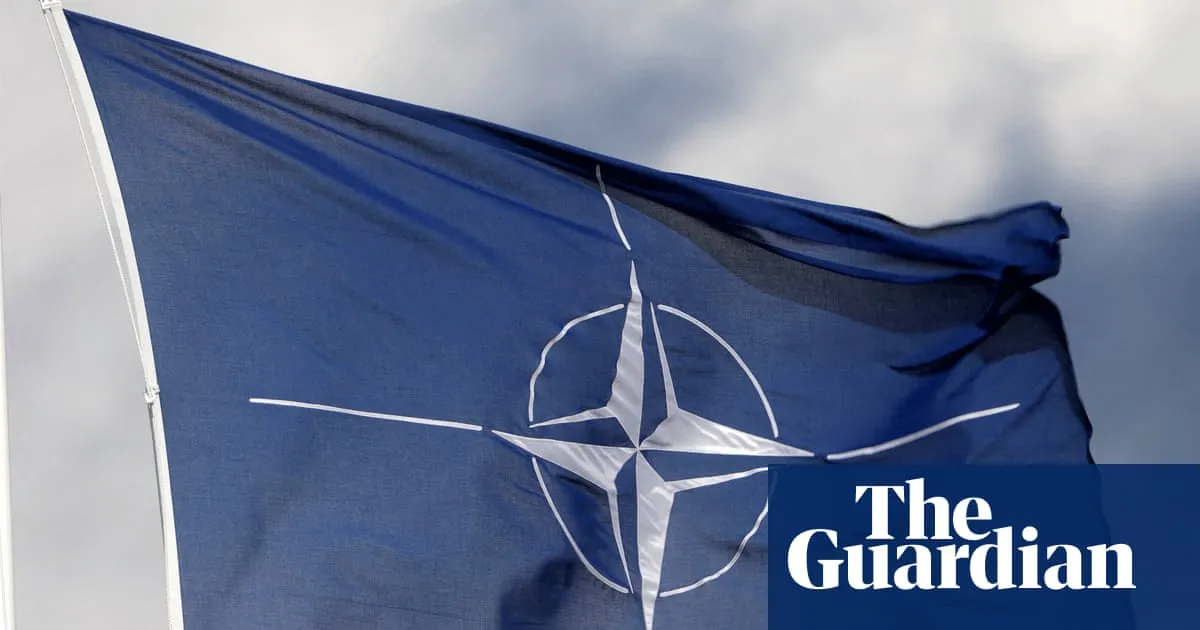
Nato’s engagement with the film industry, particularly through closed-door meetings with film and TV professionals, has raised significant questions regarding the use of art for propaganda purposes, especially in light of heightened defence spending following geopolitical tensions.
Key facts:
- Nato is holding closed-door meetings with film and TV professionals across Europe and the US.
- The meetings have prompted accusations that Nato is seeking to use the arts for propaganda.
- The planned meeting in London will focus on the evolving security situation in Europe and beyond.
- Alan O’Gorman called the planned meeting outrageous and clearly propaganda.
- Defence spending in Ireland has increased to record levels following the Russian invasion of Ukraine.
As these discussions unfold, various stakeholders express differing views. For instance, Alan O’Gorman described the planned meeting as “tone deaf and crazy to present this as some sort of positive opportunity,” highlighting concerns that Nato’s intentions may not align with artistic integrity or public sentiment. Furthermore, an Ipsos poll indicates that 49% of voters in the Republic of Ireland oppose joining Nato, reflecting a significant divide in public opinion regarding military alliances.
Supporters of Nato argue that fostering relations with artists is essential for building public support for increased defence spending. In this context, an official from Nato noted that this initiative is part of a series of sessions aimed at engaging writers from the entertainment industry to facilitate a two-way conversation about security policy.
In 2024, eight screenwriters were invited to Nato’s headquarters to learn about security policy—a move seen by some as an attempt to shape narratives around military actions through creative storytelling. Critics like O’Gorman emphasize that many individuals connected to these discussions have personal ties to countries affected by conflicts involving Nato interventions, which complicates the narrative further.
The upcoming meeting in London is expected to address not only artistic collaboration but also broader security issues that resonate deeply within European contexts. However, it remains unclear how effective these engagements will be in altering public perceptions or influencing policy decisions regarding defence spending in nations like Ireland.