
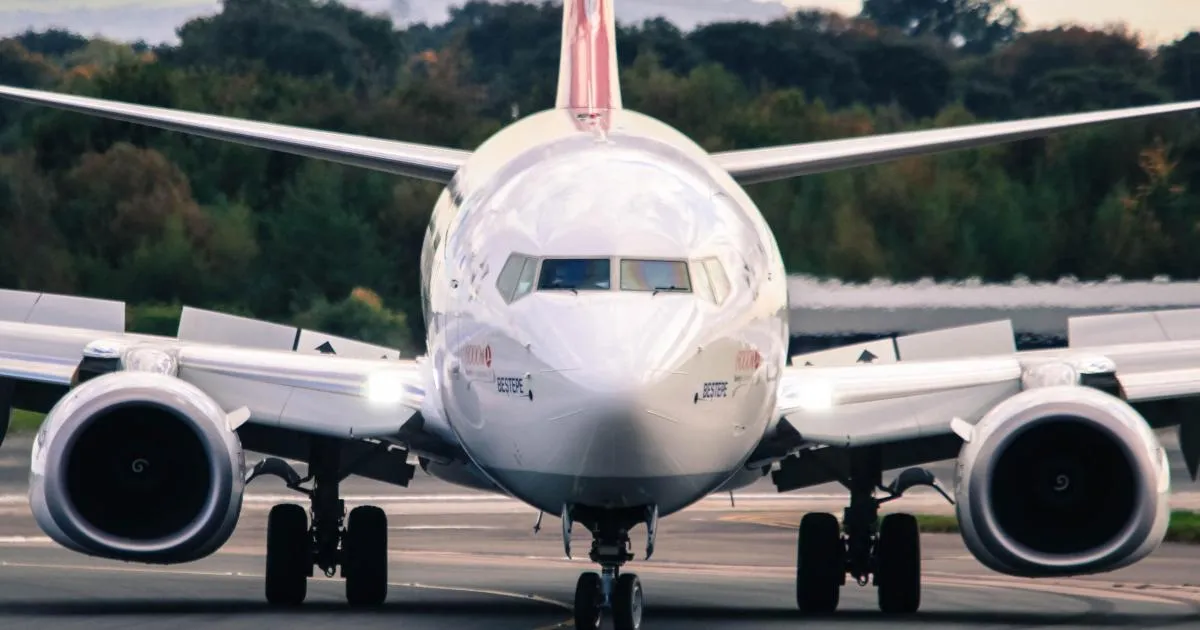
On April 20, 2026, significant disruptions occurred at Manchester Airport, where major airlines reported a total of 23 flight cancellations and 483 delays. Among the affected flights was Aer Lingus flight EI3611 to Belfast City, which was cancelled altogether.
Notably, Qatar Airways flight QR22 to Doha, originally scheduled for departure at 08:15, left nearly an hour and a half late at 09:43. Similarly, Wizz Air’s flight to Liverpool faced a delay of 49 minutes before taking off at 09:04 instead of its planned time.
Ryanair also experienced notable delays; its flight FR3206 to Rome Ciampino departed at 08:57—42 minutes later than scheduled—while another flight (FR1249) to Tenerife was pushed back by over two hours.
Jet2’s LS801 flight to Venice was delayed by a similar margin—42 minutes—departing at 08:42 instead of the planned time. Such delays have raised concerns among passengers and industry observers alike.
Sources indicate that Aer Lingus is expected to cancel around 500 flights due to mandatory maintenance on aircraft. An Aer Lingus spokesperson noted, “A number of recent cancellations have been required due to mandatory maintenance on aircraft, along with a limited number of schedule adjustments.” This situation is compounded by the ongoing global air travel disruptions attributed to the Iran conflict.
Michael O’Leary, CEO of Ryanair, expressed uncertainty regarding future operations, stating that the airline may need to cancel between five and ten percent of flights in the coming months. This sentiment reflects broader challenges faced by airlines as they navigate fluctuating operational conditions.
Air Canada has also adjusted its schedules in light of economic pressures; as their spokesperson remarked, “As jet fuel prices have doubled since the start of the Iran conflict… we are making schedule adjustments accordingly.” Such statements highlight the interconnectedness of geopolitical events and airline operations.
Details remain unconfirmed regarding the full extent of future cancellations or delays as airlines continue to adapt to these challenging circumstances. With thousands of passengers affected daily, the ramifications of these disruptions extend beyond mere inconvenience.