
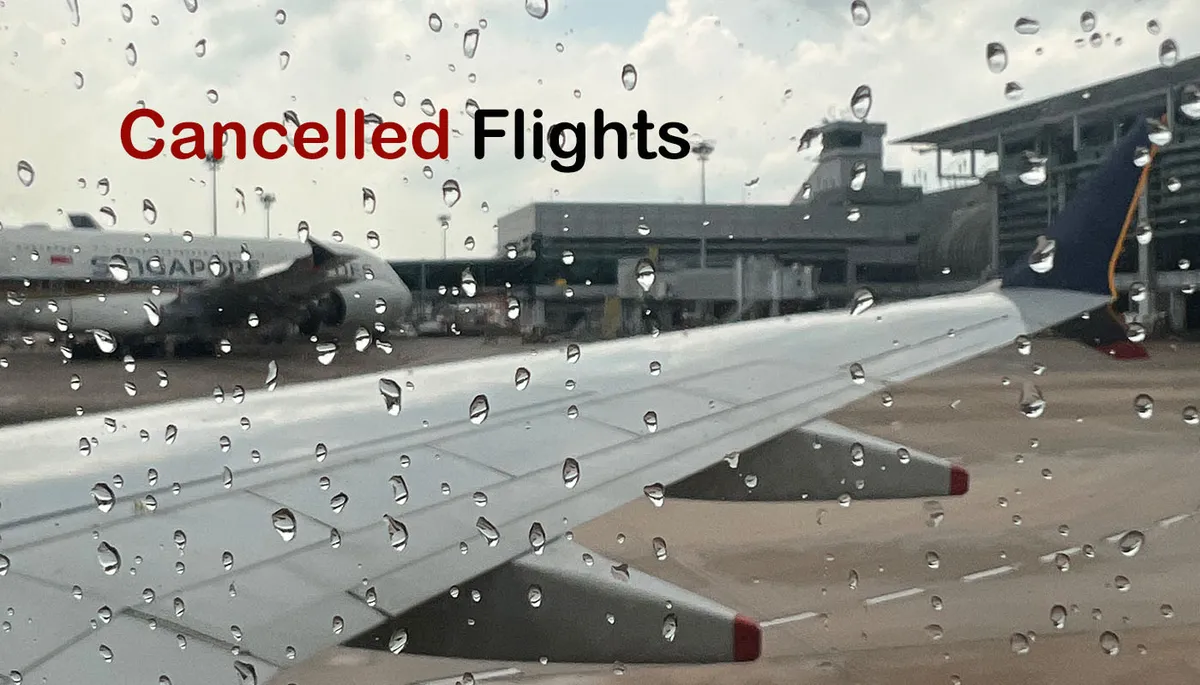
The UK is facing a potential summer of flight cancellations and jet fuel shortages due to the ongoing conflict in the Middle East, with airlines already cutting millions of seats from their schedules. Recent reports indicate that two million airline seats have been eliminated as carriers respond to soaring jet fuel prices, which have more than doubled since the onset of hostilities in the region.
Documents show that approximately 13,000 fewer flights will operate globally in May compared to previous months, with Lufthansa notably cutting 20,000 short-haul flights operated by its CityLine subsidiary. The dramatic reduction in available flights reflects a broader trend affecting the UK aviation market, which is grappling with significant supply chain disruptions.
The conflict has particularly impacted the supply of jet fuel, as the closure of the Strait of Hormuz has resulted in a loss of about 30% of Europe’s aviation fuel shipments. This situation has compelled the UK government to relax “use-it-or-lose-it” slot rules, allowing airlines to cancel flights without risking their operational rights. As a result, airlines may need to ration fuel, raising concerns about how these measures could affect ticket prices.
According to sources, if fuel rationing becomes necessary, ticket costs could rise by 10-15%, further complicating travel plans for consumers. Analysts from Goldman Sachs and Allianz Trade have warned that Britain looks set to be one of the countries hardest hit by these shortages this summer.
Key statistics:
- 130 million seats available among global airlines in May
- 132 million seats available among global airlines in April
- 800% increase in jet fuel shipments to Northern Europe from North America
- 70% recovery of lost production estimated three months after Hormuz reopens
Despite these challenges, Airlines UK stated that carriers continue to operate normally and are not currently experiencing issues with jet fuel supply. However, industry experts caution that this situation may change rapidly if the conflict persists.
The long-term impact of the Middle East conflict on jet fuel supply and flight operations remains unclear. As observers note, “The longer the crisis goes on, the more cuts should be expected,” suggesting that travelers may need to prepare for continued uncertainty in airline schedules.