
Introduction
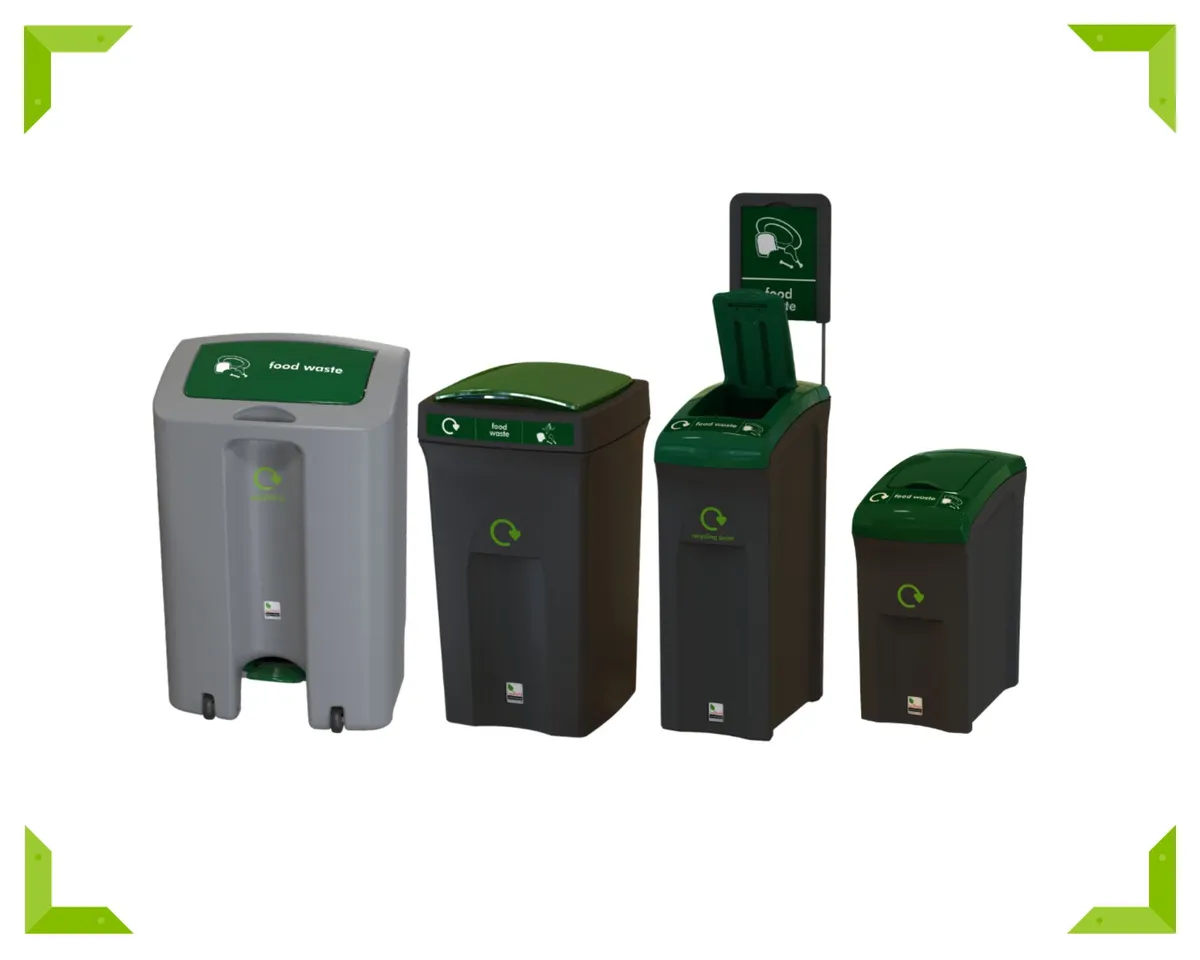
The implementation of the new Simpler Recycling legislation in England has made the food waste recycling bin a crucial asset for hospitality businesses. This shift is driven by increasing awareness of food waste management and the need for sustainable practices.
Context of Food Waste Management
Food waste is a significant issue globally, with millions of tonnes discarded each year. In the UK, recent statistics reveal that hospitality businesses are now collecting food waste equivalent to the weight of two-and-a-half Eiffel Towers. This substantial amount of food surplus is being redirected from landfills to renewable energy production through anaerobic digestion.
Impact of New Legislation
Since the introduction of the Simpler Recycling legislation in March 2025, businesses with ten or more full-time employees are mandated to separate food waste from general waste. This regulation aims to enhance recycling efforts and reduce landfill contributions.
Rising Adoption of Food Waste Recycling
According to Biffa, a leading waste management company, there has been a nearly 50% increase in the number of businesses participating in food waste recycling compared to previous years. This shift not only supports compliance with new regulations but also promotes environmental sustainability.
Benefits of Food Waste Recycling
- Reduces landfill waste and associated greenhouse gas emissions.
- Converts food waste into renewable energy, powering homes and reducing reliance on fossil fuels.
- Enhances corporate social responsibility and public image for businesses.
Conclusion
The rising trend of utilizing the food waste recycling bin reflects a broader commitment to sustainability within the hospitality sector. As businesses adapt to new regulations, the focus on efficient waste management will continue to grow, contributing to a more sustainable future.