
Significant Disruptions in Energy Supply
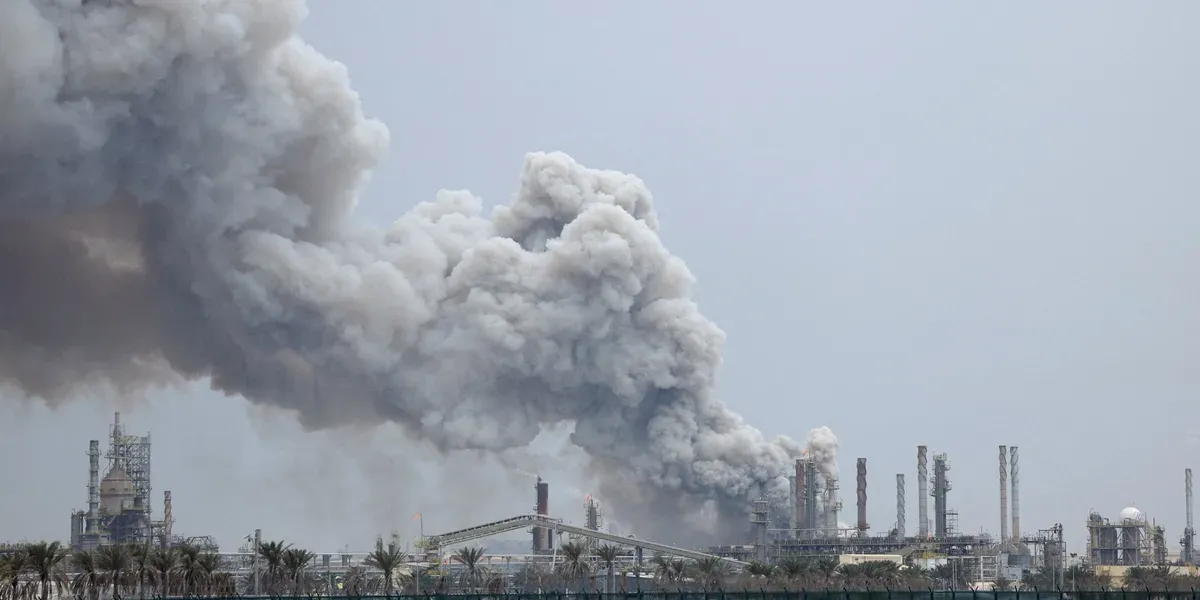
The recent declarations of force majeure by Bapco Energies and QatarEnergy have led to substantial disruptions in the energy sector, with far-reaching implications for global markets. Bapco Energies, which operates Bahrain’s only refinery, announced the force majeure due to ongoing regional conflicts, particularly following an attack on its refinery complex. This situation has raised concerns about the continuity of energy supplies in the region.
Regional Conflict and Its Consequences
The escalation of conflict in the Middle East has been a catalyst for these declarations. Bapco Energies confirmed that the refinery was attacked, prompting the urgent need to halt operations to ensure safety and security. Despite this setback, the company reassured stakeholders that local market needs are fully secured, stating, “The company clarified that all local market needs are fully secured according to the proactive plans in place, ensuring the continuity of supplies and meeting local demand without impact.” This proactive approach aims to mitigate the effects of the conflict on Bahrain’s energy supply.
Impact on Global LNG Supply
In a parallel development, QatarEnergy’s declaration of force majeure has resulted in the halting of approximately 20% of the world’s daily liquefied natural gas (LNG) supply. This disruption is primarily due to a traffic halt at the strategically important Strait of Hormuz, a critical passage for global energy transportation. The ramifications of this halt have been immediate, with European and Asian natural gas prices soaring as markets react to the reduced supply.
Surging Oil Prices
The conflict’s escalation has also contributed to a significant rise in oil prices, which have topped $100 per barrel. This increase is driven by fears of major supply risks, as both Bapco Energies and QatarEnergy play pivotal roles in the global energy landscape. The situation underscores the interconnectedness of regional stability and global energy prices, highlighting how local conflicts can have widespread economic implications.
Injuries and Local Impact
The recent violence has not only affected energy operations but has also resulted in civilian casualties. Reports indicate that 32 Bahraini citizens were injured in a hostile Iranian drone attack in Sitra, further intensifying the humanitarian and security crisis in the region. Such incidents complicate the operational landscape for energy companies and raise concerns about the safety of personnel and infrastructure.
Future Developments and Uncertainties
As the situation continues to evolve, uncertainties remain regarding the duration of these force majeure declarations and their long-term impact on energy markets. The global community is closely monitoring developments, particularly in relation to the ongoing conflict and its implications for energy supply chains. Details remain unconfirmed, and stakeholders are left to navigate a volatile market landscape.
The declarations of force majeure by Bapco Energies and QatarEnergy serve as a stark reminder of the fragility of global energy supply in the face of geopolitical tensions. As the situation unfolds, the energy sector must brace for continued volatility and potential disruptions, emphasizing the need for strategic planning and resilience in the face of uncertainty.