
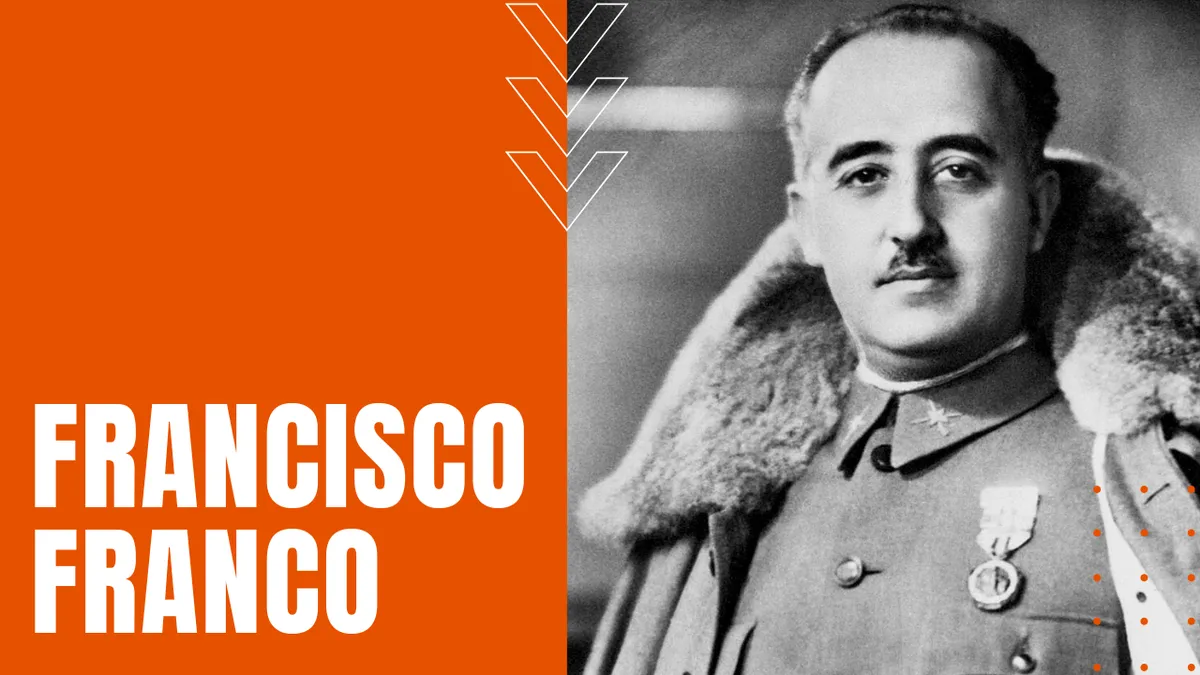
Background on the Board for the Protection of Women
The Board for the Protection of Women was established to control female behavior under the Franco regime. Founded in 1902 and operational until its closure in 1985, the board was run by religious orders and aimed to enforce societal norms deemed acceptable by the regime. Women were often imprisoned for reasons such as being ‘too fond of the street’ or discussing sexuality, reflecting the stringent moral codes of the time.
Recent Developments
On March 20, 2026, Spain will formally pardon 53 women who were incarcerated by the Franco regime. This decision is part of a broader initiative under Spain’s Memory Law, which aims to recognize and address the injustices faced by victims of Francoist repression. The pardon signifies a critical step towards acknowledging the suffering endured by these women, who were punished for behavior that was considered socially unacceptable.
Details of the Pardon
The Ministry of Democratic Memory stated that “any punishment, whether legal or administrative, they had suffered was null and void,” reinforcing the notion that the state is taking responsibility for past injustices. This formal acknowledgment is significant not only for the individuals directly affected but also for the collective memory of Spain as it grapples with its historical legacy.
Historian Carmen Guillén noted that the Board for the Protection of Women could rely on broad public support, indicating that societal complicity played a role in the enforcement of the regime’s policies. The board’s operations were marked by a lack of accountability, as many citizens became allies and accomplices in the repression of women. This historical context is crucial for understanding the impact of the recent pardons.
Reactions to the Pardon
Initial reactions to the pardon have been mixed, with some viewing it as a necessary step towards justice, while others argue it does not go far enough in addressing the broader issues of historical memory and accountability. An anonymous source commented, “This pardon is more than a symbolic gesture; it highlights long-standing debates around historical memory, justice and how the Franco era is remembered.”
Looking Ahead
As Spain continues to confront its past, more than 1,600 declarations have been received from women who passed through the institutions associated with the Board for the Protection of Women. These declarations may lead to further actions aimed at recognizing and compensating victims of the Franco regime. Observers suggest that this could pave the way for additional reforms and discussions around historical memory in Spain.
The formal pardon of these 53 women marks a significant moment in Spain’s ongoing journey to reconcile with its past. While the pardon addresses specific injustices, it also opens up broader conversations about the legacy of the Franco regime and the importance of remembering the victims of its repressive policies.