
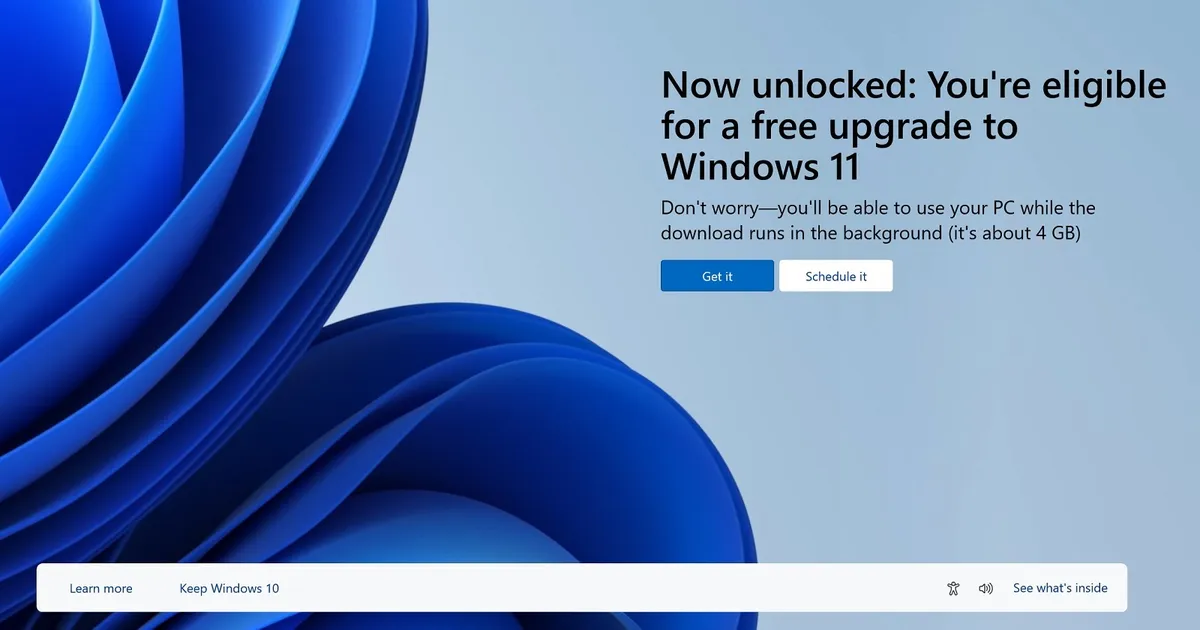
In recent years, the expectation surrounding government IT infrastructure has been largely dominated by reliance on proprietary software, particularly Microsoft Windows. This dependency has raised concerns about data sovereignty and control over digital resources. However, a significant shift is underway in France, where the government is embarking on a bold migration from Microsoft Windows to Linux.
The decisive moment came with the directive from the Interministerial Digital Directorate (DINUM), which mandated that all government ministries submit migration roadmaps by autumn 2026. This transition is set to affect approximately 2.5 million civil servants, marking a monumental change in how public services operate.
As part of this migration, France plans to replace popular tools like Microsoft Teams and Zoom with alternatives such as ‘Visio’ and ‘Tchap’. Additionally, the national health insurance database must transition away from U.S. cloud providers by the end of 2026, further emphasizing the move towards local control over sensitive data.
David Amiel, a key figure in this initiative, articulated the rationale behind this shift: “We can no longer accept that our data, our infrastructure, and our strategic decisions depend on solutions whose rules, pricing, evolution, and risks we do not control.” This statement underscores the urgency of regaining digital sovereignty.
The transition to Linux is not entirely new for France. The Gendarmerie Nationale has been utilizing a custom version of Ubuntu Linux, known as ‘GendBuntu’, since 2004, demonstrating a long-standing commitment to open-source solutions. This experience provides a valuable foundation as the broader government seeks to adopt similar practices.
Moreover, the shift resonates with trends seen in other European regions, such as Germany’s Schleswig-Holstein, which recently announced its own plans to switch 30,000 PCs to LibreOffice and Linux. This collective movement highlights a growing recognition of the benefits of open-source software in enhancing transparency and accountability.
As France forges ahead with its migration, the implications extend beyond mere software changes. The government aims to ensure that its public infrastructure is transparent and auditable, a critical factor in maintaining public trust and security.
While the roadmap is set, the transition will undoubtedly pose challenges, particularly in training personnel and ensuring compatibility with existing systems. Nonetheless, the commitment to a Linux-based infrastructure marks a significant step towards a more autonomous digital future.
As this initiative unfolds, it will be crucial to monitor its progress and the responses from various stakeholders, including software providers and civil servants who will be directly impacted by these changes.
Details remain unconfirmed regarding the full scope of the migration, but the implications of this shift are already being felt across the digital landscape in France.