
What do the ongoing fuel protests in Northern Ireland reveal about the current economic climate? They underscore a growing public frustration with soaring fuel prices and the impact on everyday life.
Protests have erupted across Northern Ireland, driven by alarming increases in fuel costs. The Ulster Unionist Party has recognized this public sentiment, acknowledging that many are feeling the pinch from rising fuel and fertiliser prices.
As these protests unfold, it is crucial to note that they must remain lawful and not obstruct emergency services, as emphasized by a spokesperson from the Ulster Unionist Party. This call for lawful protests reflects an understanding of the balance between expressing discontent and maintaining public safety.
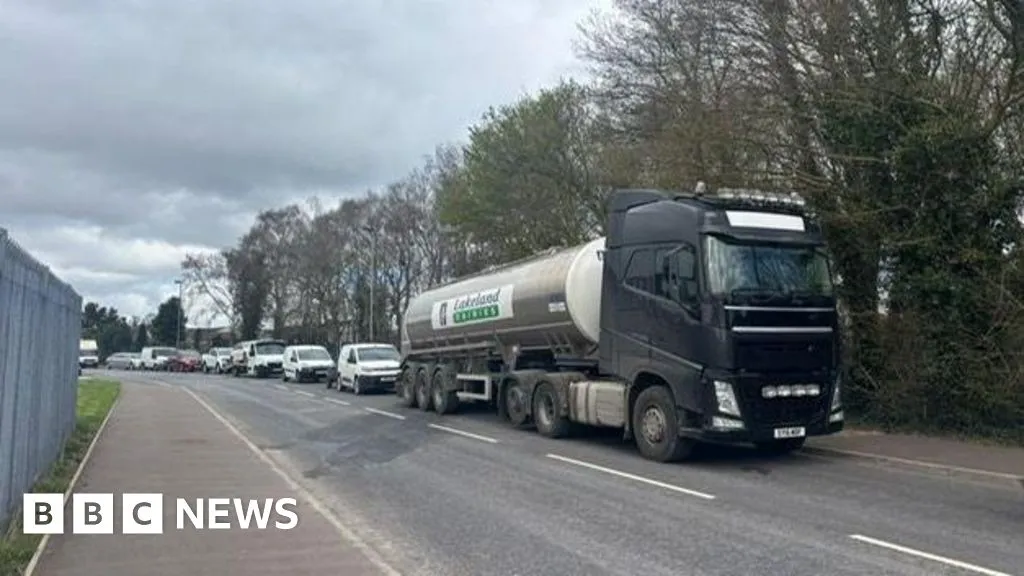
Drivers have been advised to allow extra time for their journeys due to the slow-moving convoys that have become a hallmark of these demonstrations. These convoys are not limited to Northern Ireland; similar protests have also taken place in the Republic of Ireland, indicating a broader regional discontent with fuel prices.
Truck driver Sonny Boyd has been vocal about the situation, stating that the cost of fuel is “crazy” and urging for government intervention. Boyd’s sentiments resonate with many who feel the weight of these rising costs, as he asserts, “We just need the government to step in and help us because we can’t do this any longer.”
The Ulster Unionist Party has called for a substantial cut in fuel duty from the UK Government, a measure they believe could alleviate some of the financial strain on citizens. This call to action highlights the political dimensions of the protests, as economic issues become intertwined with governance.
Moreover, farmers are facing escalating fertiliser costs, which are expected to affect food prices in the near future. This aspect of the protests points to a larger concern about food security and the economic viability of agricultural practices in Northern Ireland.
As the protests continue, the question remains: how will the government respond to these mounting pressures? The public’s frustration is palpable, and the need for action is becoming increasingly urgent.
While the protests reflect a legitimate right to express discontent, as noted by the Ulster Unionist Party, they also highlight the complexities of navigating economic challenges in a lawful manner. The situation is evolving, and details remain unconfirmed regarding potential government responses or further developments in the protests.