
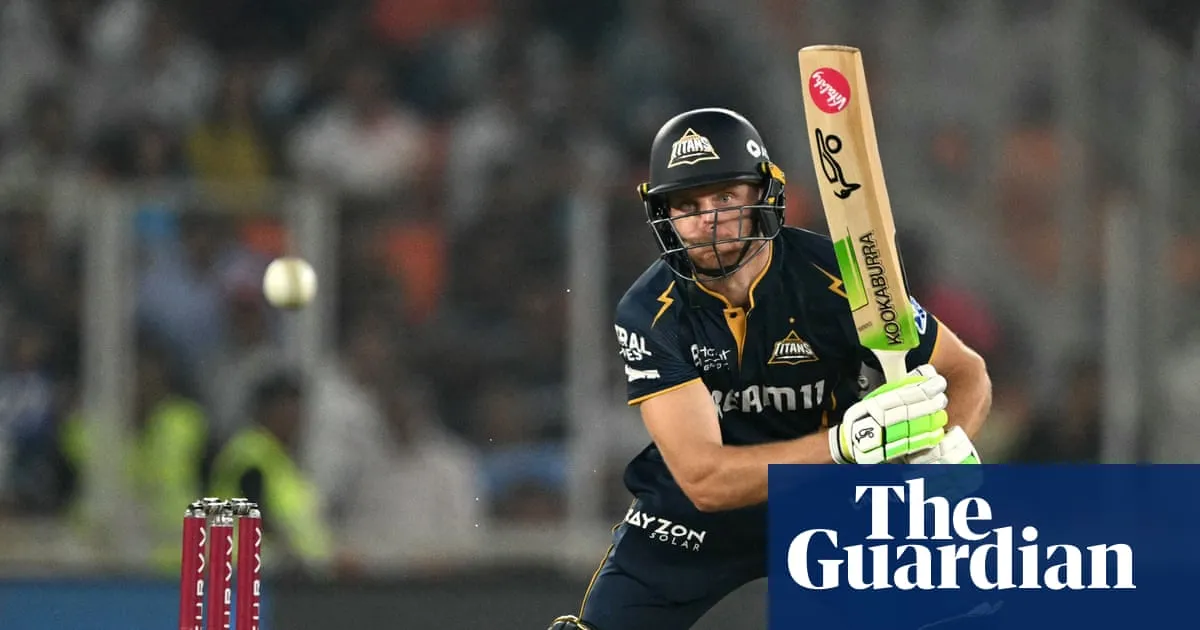
The upcoming IPL 2026 raises a pivotal question: how will this season navigate the complex landscape of cricket politics and player dynamics? The answer lies in the tournament’s structure, the teams involved, and the backdrop of recent events that have shaped the league’s narrative.
Set to kick off on March 28, 2026, the IPL will feature 10 teams, including the defending champions, Royal Challengers Bengaluru (RCB). The tournament will run until May 31, 2026, with a total of 70 games scheduled during the group stage, culminating in the final match. Notably, Qualifier 1 is slated for May 26, followed by the Eliminator on May 27, ensuring a thrilling conclusion to the season.
The IPL’s significance extends beyond the cricket field; it is deeply intertwined with the political context surrounding cricketing relations between India and Pakistan. This dynamic has been highlighted by recent events, including a tragic crowd crush during a victory parade for RCB last June, which resulted in the deaths of 11 individuals. In response, RCB announced a compensation of 25 lakh (£20,000) to each grieving family, showcasing the league’s commitment to its community.
Amidst these challenges, the IPL continues to attract top talent. Cameron Green was sold for a record 25.2 crore (£2.1m) in the December auction, reflecting the league’s financial prowess and its ability to draw international stars. Meanwhile, MS Dhoni, at 44 years old, will once again don the Chennai Super Kings jersey, further solidifying his legendary status in the sport. Young talents like 15-year-old Vaibhav Suryavanshi, playing for Rajasthan Royals, also highlight the league’s role in nurturing the next generation of cricketers.
Prominent figures in cricket, such as Kevin Pietersen and Jos Buttler, have expressed their gratitude for the opportunities the IPL has provided. Pietersen remarked, “I will always be grateful for what the IPL gave me,” while Buttler acknowledged the battles fought for players’ rights. These sentiments underscore the league’s impact on players’ careers and its evolving relationship with cricket boards.
As the tournament approaches, the IPL’s ability to adapt to changing circumstances will be tested. The ongoing dialogue about player compensation and the allure of lucrative offers from other leagues, such as the reported $50 million contracts in Saudi Arabia, adds another layer of complexity to the situation. Pietersen’s comment, “If you got paid $50m tomorrow to go and play cricket in Saudi Arabia, I’d be so happy for you,” reflects the competitive nature of the global cricket landscape.
What the data shows
With the IPL 2026 set to begin, the anticipation is palpable. The tournament’s structure, featuring 10 teams and a total of 70 games, promises an exciting season for fans. The final match on May 31 will be the culmination of weeks of intense competition. However, the league’s future remains uncertain, particularly in light of the tragic events surrounding RCB and the ongoing discussions about player welfare and compensation. As Sunil Gavaskar aptly stated, “There’s still time to undo the wrong,” emphasizing the need for the league to address these pressing issues.
In summary, IPL 2026 is not just a sporting event; it is a reflection of the broader societal and political dynamics at play within the cricketing world. As fans prepare for the season, the hope is that the league can navigate these challenges while continuing to provide a platform for both established stars and emerging talents alike.