
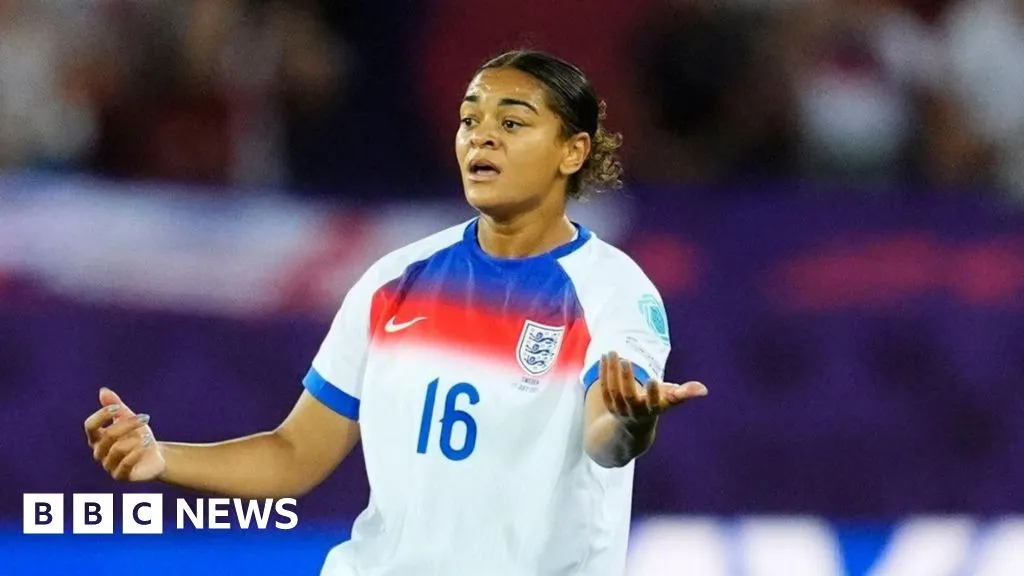
The recent sentencing of Nigel Dewale, who sent racially abusive messages about Jess Carter, has brought to light the serious consequences of online hate in sports. Dewale, aged 60, received a six-week prison sentence, suspended for 12 months, along with a four-year football banning order and a three-month curfew, after pleading guilty to malicious communications and possession of a weapon in a private place.
During the Women’s Euro 2025 tournament, where Carter was part of the England squad that defended their title, Dewale used the username ‘Bogeyman’ to send messages that not only targeted Carter but also reflected a broader disdain for women’s football. His comments included the assertion that “Women’s football is diabolical. Should not be on national TV,” revealing a troubling mindset that undermines the sport’s growth.
The emotional impact on Carter and her family has been significant, leading her to stop using social media altogether following the abuse. Mark Roberts, Cheshire Chief Constable, noted that Dewale’s comments were “totally abhorrent” and caused considerable distress. This incident highlights the urgent need for stronger measures against online abuse in sports.
The UK Football Policing Unit initiated an investigation into the abuse directed at Carter, which ultimately traced the messages back to Dewale’s home. He was arrested at the end of August, underscoring the importance of accountability in combating racism in football.
Dewale’s sentencing serves as a warning that such behavior will not be tolerated. John Moran from the CPS stated, “This type of social media offending will not be tolerated,” emphasizing the legal system’s commitment to addressing hate speech.
While Dewale’s punishment includes a fine of £239 and ten days of community work, the broader implications for women’s football remain uncertain. The incident has sparked discussions about the culture surrounding women’s sports and the need for a more supportive environment for players like Carter.
As the conversation continues, the focus will likely shift towards how football organizations can better protect players from online abuse and foster a more inclusive atmosphere. The emotional toll on athletes, particularly in the face of racism, cannot be overlooked.
Details remain unconfirmed regarding any further actions that may be taken by football authorities to address these issues comprehensively. As the landscape of women’s football evolves, the fight against racism and abuse must remain a priority.