
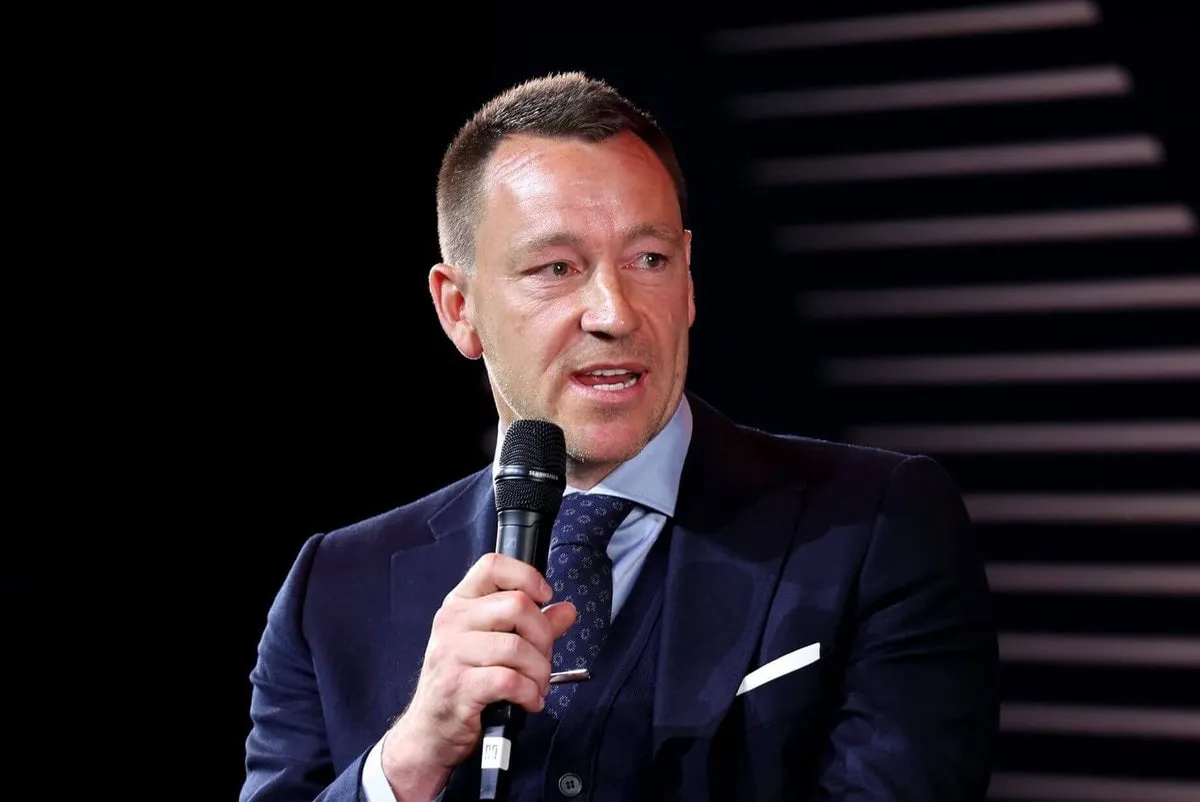
On March 22, 2026, John Terry found himself at the center of a political storm after endorsing a post by Rupert Lowe, the founder of the political party Restore Britain. The post advocated for a nationwide burqa ban and emphasized the use of English at all London stations. Terry’s response, which included three clapping emojis and the national flag of England, quickly drew both support and backlash.
This incident follows Terry’s involvement in football as a part-time academy coaching consultant with Chelsea since 2021. Known for his illustrious career with the club, where he made 717 appearances and won five Premier League titles and the Champions League, Terry’s transition into coaching has been closely watched by fans and analysts alike.
Rupert Lowe, a former MP and chairman of Southampton Football Club, launched Restore Britain in June 2025 as a pressure group, and it officially became a registered political party in March 2026. His recent Instagram post stated, “This picture was taken in London. Restore Britain would ban the burqa, and Restore Britain would ensure that all London stations use English. Enough is enough. Vote Restore Britain to get our capital city back.”
Despite the backlash Terry received for his endorsement, Lowe defended him on social media, highlighting the challenges faced by public figures in navigating political opinions. Lowe remarked, “I see that England/Chelsea legend John Terry is taking some flak for applauding Restore Britain’s policy of banning the burqa and ensuring that all London stations use English, and English only.”
While Terry’s political engagement may seem surprising, it is not entirely out of character for athletes who often leverage their platforms for social commentary. However, this particular stance raises questions about the intersection of sports, politics, and public opinion.
In a separate context, Terry expressed his frustration regarding Chelsea’s recent performance in the Champions League, specifically their 8-2 aggregate loss to PSG. He stated, “I’m sorry you can’t. I don’t care who you are, what team you are you cannot lose 8-2 so really frustrating.” This sentiment reflects the high expectations surrounding the club and its former captain.
As of now, the situation remains fluid, with ongoing discussions about the implications of Terry’s endorsement and the broader political landscape in the UK. The controversy highlights the challenges faced by public figures in aligning their personal beliefs with their professional identities.
For those involved, this sequence of events matters significantly. Terry’s actions could influence his reputation within the football community and beyond, while Lowe’s party may gain traction or face further scrutiny based on public response.
As the political climate evolves, the intersection of sports and politics continues to be a focal point for discussion, with figures like John Terry at the forefront of this dialogue.