
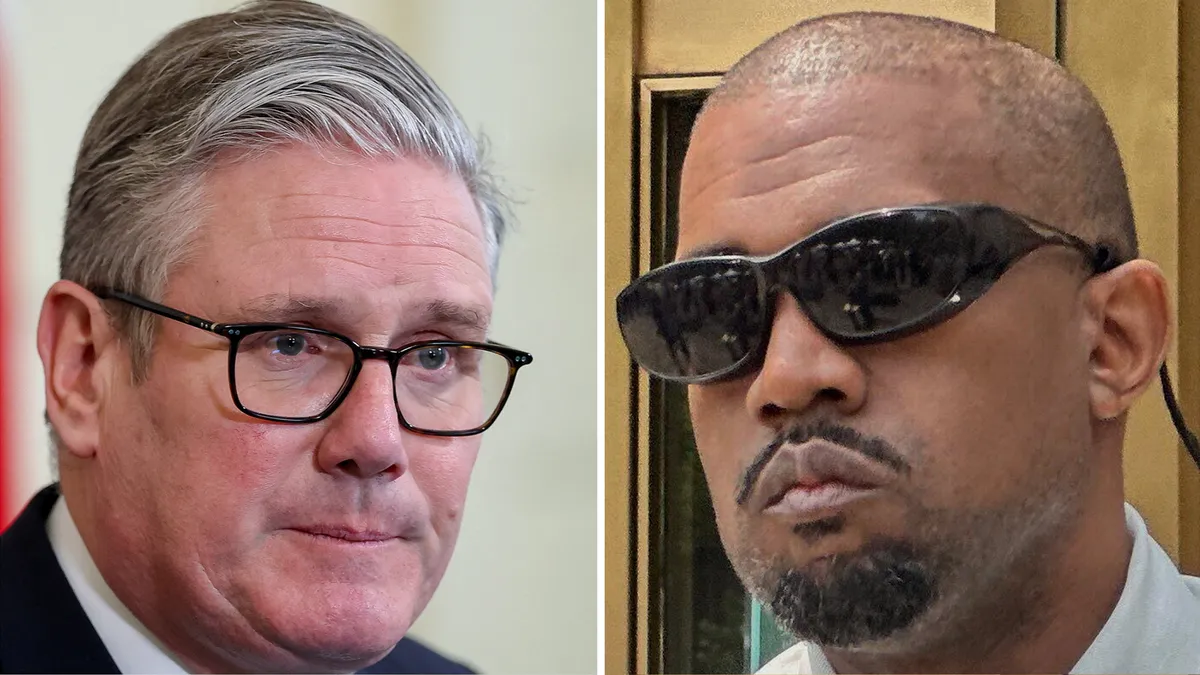
Kanye West’s upcoming performance at the Wireless Festival in London has ignited significant controversy, particularly due to his history of making antisemitic remarks. Prior to this development, many expected that West’s public persona would be significantly diminished following his previous statements and actions, including expressing admiration for Adolf Hitler and releasing a song titled ‘Heil Hitler.’ His last performance in the UK was in 2015 at Glastonbury, and since then, he has faced substantial backlash and professional consequences.
The decisive moment came when it was announced that West would headline the festival, prompting immediate reactions from political leaders and advocacy groups. Keir Starmer, the leader of the Labour Party, expressed that it is “deeply concerning” that West is performing, emphasizing the need to confront antisemitism firmly. Ed Davey, leader of the Liberal Democrats, went further, calling for the government to ban West from entering the UK altogether.
The Jewish Leadership Council condemned the decision to book West, with Phil Rosenberg stating it was “absolutely the wrong decision” to allow him to perform. This backlash highlights the ongoing struggle against antisemitism and the responsibility of public platforms to address such issues. West’s past actions, including his multiple antisemitic comments and the promotion of hate symbols, have led to significant professional repercussions, including Adidas cutting ties with him and donating over $150 million to anti-hate groups.
West has attributed some of his controversial outbursts to his bipolar disorder, which he has publicly discussed. However, this has not mitigated the outrage surrounding his upcoming performance. In a letter published in the Wall Street Journal, he attempted to apologize to Jewish and Black communities, but the sincerity of his remorse remains in question.
The implications of West’s performance extend beyond the festival itself. It raises critical questions about the responsibilities of event organizers and the broader music industry in addressing hate speech and promoting inclusivity. The juxtaposition of West’s past actions and his current booking at a major festival underscores a troubling trend where controversial figures can still find platforms despite their history.
As the festival approaches, public sentiment remains divided. While some fans may be eager to see West perform, many others are calling for accountability and a reevaluation of what is deemed acceptable in the entertainment industry. The ongoing discourse reflects a larger societal challenge in confronting hate and ensuring that public figures are held accountable for their words and actions.
Details remain unconfirmed regarding any potential changes to West’s performance status as the festival date approaches. The situation continues to develop, and the responses from both the public and political figures will likely shape the narrative surrounding this controversial event.