
What the data shows
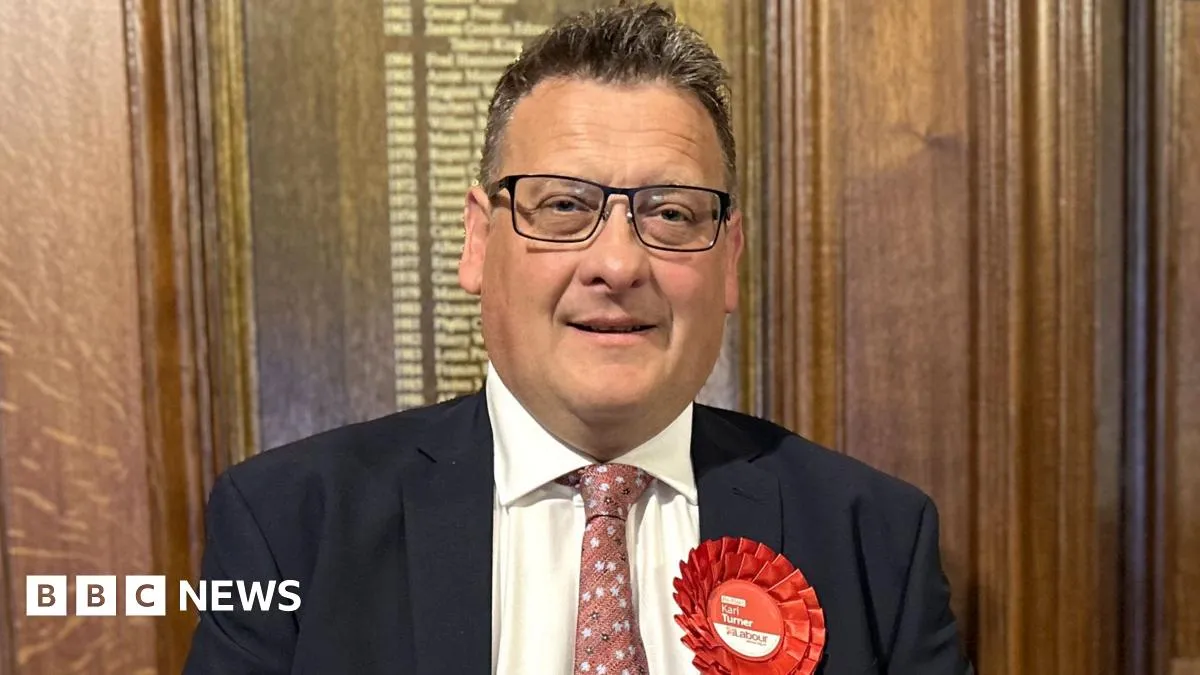
The recent suspension of Labour MP Karl Turner raises significant questions about the dynamics within the party and its stance on critical legal reforms. Turner was suspended after vocally opposing the government’s controversial proposal to limit jury trials in England and Wales, a move he has labeled as misguided. This situation underscores the tension between party loyalty and individual conviction in the face of government policy.
Turner, who has served as an MP since 2010 and was re-elected in 2024 with an impressive vote share of 43.8%, has been one of the most outspoken critics of the proposed reforms. His increased majority of 3,920 votes in the last election reflects a strong support base, which he appears determined to maintain despite the suspension. “My commitment to the Labour Party is unchanged,” Turner stated, emphasizing his dedication to the party’s principles even as he navigates this turbulent period.
The circumstances surrounding Turner’s suspension are particularly notable. He was informed of the decision by the chief whip, Jonathan Reynolds, amidst accusations that he had been “whipping up” criticism of the government on social media. Turner had previously been on a conduct warning, which may have contributed to the decision to suspend him. He expressed confusion over the suspension, stating, “I am being told that I have had the whip suspended but I have not had any notification from the whips about this.” This highlights a potential lack of communication within the party regarding disciplinary actions.
Turner’s opposition to the jury trial reforms has garnered significant attention, with reports indicating that 60 MPs are prepared to vote against the proposed changes. This collective dissent suggests that Turner’s stance is not isolated, but rather part of a broader resistance within the Labour Party. Turner has committed to continuing his advocacy against the reforms, stating, “I will continue to speak out against these proposals because my duty is to act in good faith, according to my principles and to protect the most vulnerable.” His determination to challenge the government’s approach may resonate with constituents who share his concerns.
In the backdrop of this political drama, other Labour figures are also navigating their positions. Jess Phillips, for instance, narrowly retained her seat against challenger Jody McIntyre, winning by just 700 votes. This close contest underscores the competitive nature of Labour’s internal dynamics and the potential for shifts in power as MPs like Turner take a stand on contentious issues.
The Labour Party has a history of suspending members who vote against the government, which raises questions about the implications of Turner’s suspension for his future within the party. He has suggested that he might consider causing a by-election if his suspension continues, indicating a willingness to challenge the party’s authority if necessary. This potential move could further complicate the political landscape, especially if it galvanizes support among constituents who oppose the jury trial reforms.
As the situation unfolds, the Labour Party must grapple with the implications of Turner’s suspension and the broader dissent against government policies. The party’s response will likely shape its future direction and influence its relationship with MPs who prioritize their principles over party loyalty. Details remain unconfirmed regarding the next steps for Turner and the party’s strategy moving forward, leaving many questions unanswered about the impact of this incident on Labour’s cohesion and electoral prospects.