
Who is involved
The King Charles III Coastal Path represents a monumental shift in England’s approach to coastal access, evolving from a long-held aspiration into a tangible reality. Before this path was officially launched, the expectation was that the project would take years to materialize, with many doubting whether it would ever be completed. Initiated under Gordon Brown’s government, the journey to this point has spanned 18 years and involved the efforts of seven prime ministers, reflecting a complex interplay of political will and public interest.
As of now, the King Charles III England Coast Path stands as the world’s longest managed coastal walking route, stretching an impressive 2,689 miles (4,328 km). However, it is important to note that approximately 20% of the path remains inaccessible to the public, indicating that while significant progress has been made, the journey is not yet complete. This path has been developed in collaboration with Natural England, which has been actively working on the project since 2009, aiming to open much of the route by the end of the year.
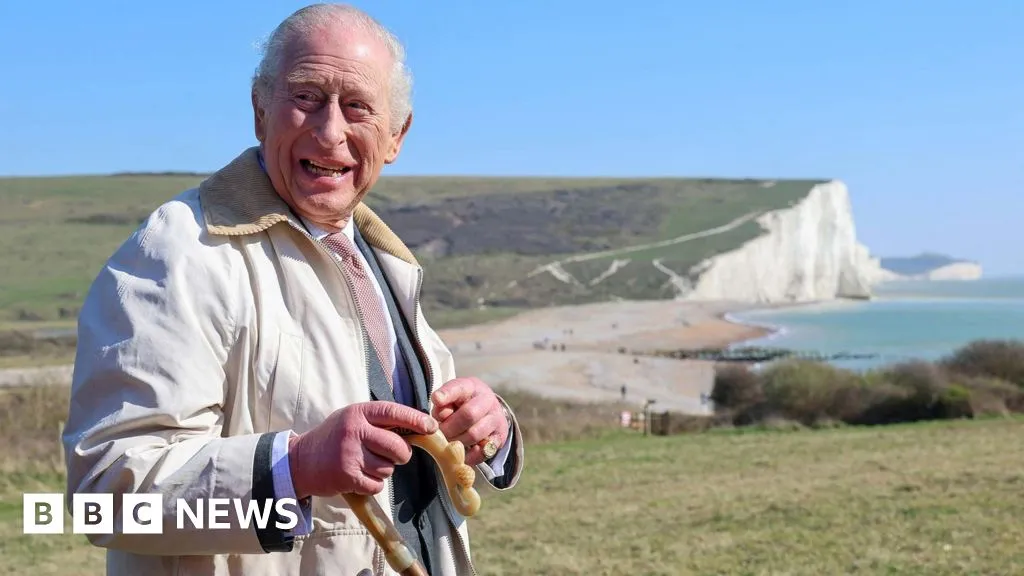
The decisive moment came with the official launch of the path by King Charles III at the stunning Seven Sisters cliff landscape, a highlight of the route that passes through the Seven Sisters National Nature Reserve, encompassing 65 square miles of breathtaking scenery. This inauguration not only marked a personal milestone for the King, who has long been passionate about environmental conservation, but also served as a rallying point for advocates of outdoor recreation and sustainable tourism.
The immediate effects of this development are multifaceted. For walkers and nature enthusiasts, the path offers unprecedented access to England’s coastline, enhancing opportunities for exploration and enjoyment of the natural environment. Local economies are likely to benefit as well, with increased foot traffic in areas adjacent to the path. The addition of 1,000 new miles of paths to the existing coastal routes underscores the commitment to improving access and promoting outdoor activities.
However, not everyone views this development positively. Critics like Tim Bonner have voiced concerns, labeling the notion of the English coast path as a success as “farcical.” Such dissent highlights the ongoing debates surrounding land use, conservation, and public access, suggesting that while the path is a step forward, it may not satisfy all stakeholders involved.
Expert voices, such as Tony Juniper of Natural England, emphasize the significance of this achievement, stating, “Following 16 years of hard work from the Natural England team we are delighted to reach this landmark point for the King Charles III England coast path.” This sentiment reflects a broader recognition of the path’s potential to foster a deeper connection between the public and the natural world.
As the path continues to develop, the anticipation surrounding its completion remains palpable. With Natural England’s commitment to making much of the route accessible, the King Charles III Coastal Path is poised to become a defining feature of England’s landscape, inviting both locals and tourists to engage with the country’s rich coastal heritage.
Details remain unconfirmed regarding the timeline for the remaining sections of the path, but the momentum generated by this initiative suggests a bright future for England’s coastal access. The King Charles III Coastal Path not only symbolizes a new era for outdoor recreation but also serves as a testament to the enduring value of nature conservation and public engagement in preserving the beauty of the English coastline.