
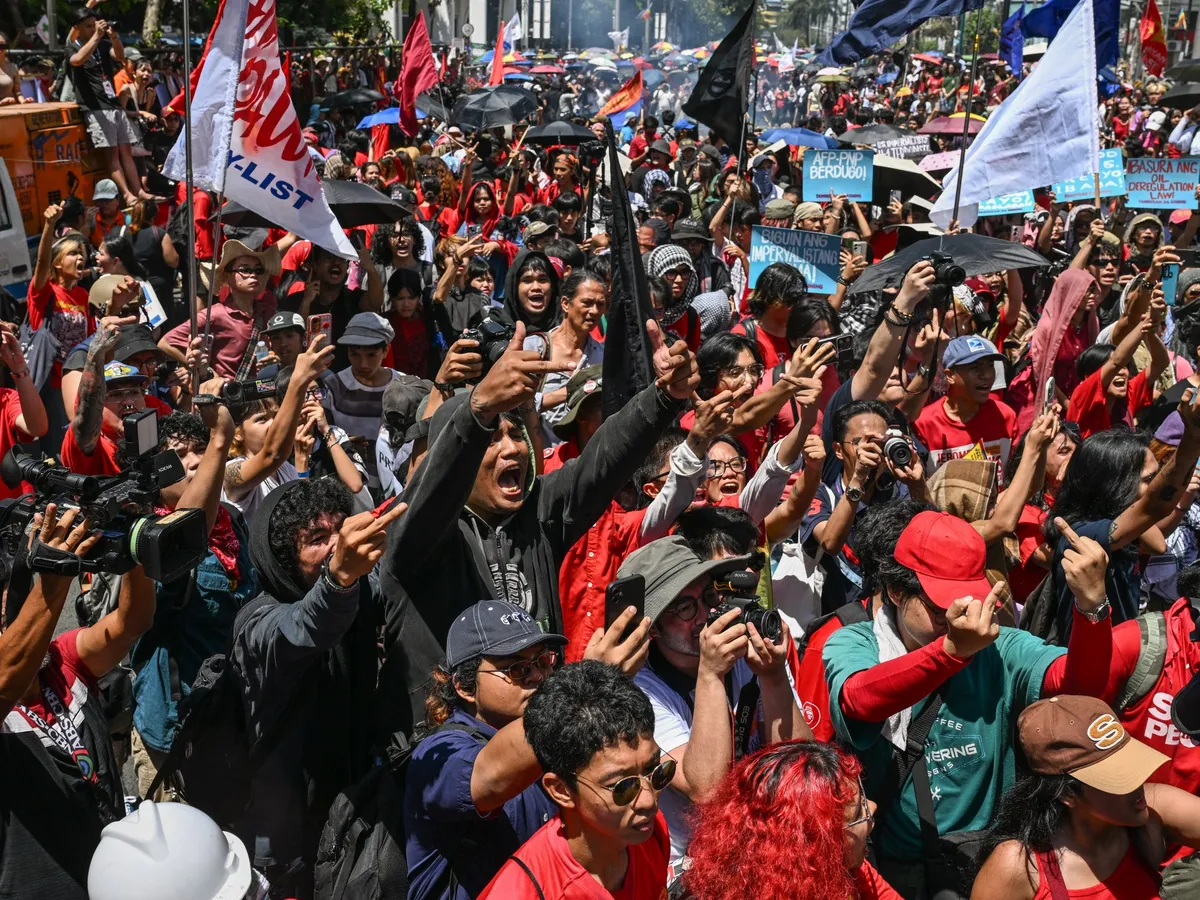
On May 1, 2026, Labour Day rallies are taking place globally, with workers gathering to voice their concerns over rising energy prices and the need for solidarity amid a looming economic crisis.
In various countries, including Iran, the United States, and the Philippines, trade unions have mobilized to advocate for workers’ rights, emphasizing that the current geopolitical tensions exacerbate the already precarious situation for many. Reports indicate that 93 trade union organizations represented by the European Trade Union Confederation are participating in these demonstrations, highlighting a collective response to widespread discontent.
The situation is particularly dire in regions like Gaza, where approximately 550,000 workers face unemployment due to ongoing conflict and economic instability. In Argentina, protests erupted against President Javier Milei’s proposed overhaul of labour protections, illustrating a growing frustration among workers who fear losing hard-won rights during this global recession.
Key quotes from various leaders:
- “Working people refuse to pay the price for Donald Trump’s war in the Middle East,” stated representatives from the European Trade Union Confederation.
- Josua Mata from the Philippines remarked, “Every Filipino worker now is aware that the situation here is deeply connected to the global crisis.”
- Renato Reyes added, “There will be a louder call for higher wages and economic relief because of the unprecedented spikes in fuel prices.”
The origins of International Workers’ Day can be traced back to the late 19th century labour movement in the United States. The Second International declared May 1 as International Workers’ Day during its congress in Paris in 1889. This historical backdrop serves as a poignant reminder of the struggles faced by workers throughout history and their ongoing fight for better conditions.
The Haymarket Affair of 1886 marked a significant moment in this movement, leading to a collective recognition of workers’ rights worldwide. Today, events such as the Durham Miners’ Gala in North East England continue to celebrate these struggles while underscoring that labour protections remain essential as economic challenges persist.
The reactions from officials vary; while some acknowledge the need for reforms to address rising costs and protect workers’ rights, others remain hesitant about implementing significant changes. As Labour Day unfolds across different regions, it becomes evident that calls for solidarity among workers will likely intensify as they navigate an increasingly complex global landscape.