
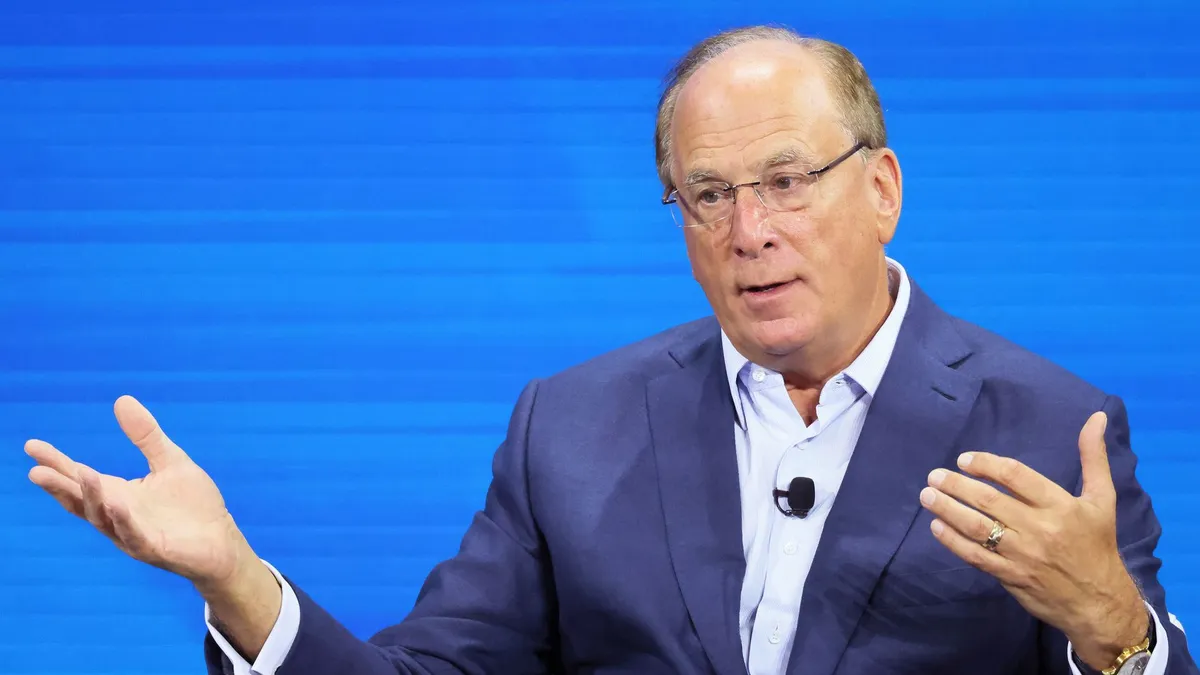
Before the recent developments in artificial intelligence, the prevailing expectation was that technological advancements would lead to widespread economic benefits. However, as the AI boom accelerates, Larry Fink, the CEO of BlackRock, a $14 trillion asset manager, has raised alarms about the potential for widening economic inequality.
Fink’s decisive moment came as he highlighted the stark reality that the wealth generated by AI is likely to concentrate among those who already possess financial assets. He warned that this could exacerbate a ‘K-shaped’ economy, where the rich get richer while the poor struggle to keep up. This shift is underscored by the fact that Fink’s own annual pay reached $30.8 million last year, reflecting a growing divide in wealth distribution.
The implications of Fink’s warnings are significant for various stakeholders. For investors, he urged a shift in focus from traditional home ownership to broader stock market participation. Fink emphasized that rising housing costs and stricter lending rules are making home ownership increasingly unattainable for many, further entrenching economic divides.
Fink’s call to action is clear: he believes that bringing more people into capital markets is essential for ensuring that the economic growth driven by AI benefits a wider audience. He stated, “AI will create significant economic value. Ensuring that participation in that growth expands alongside it is both the challenge and the opportunity.” This perspective is crucial as it highlights the need for inclusivity in economic growth.
Experts echo Fink’s sentiments, noting that the challenges surrounding housing affordability and stagnant wages for many households are real and pressing. Fink remarked, “That doesn’t diminish the real challenges around housing affordability or the fact that earnings for many households have not kept pace with asset values.” This acknowledgment of the current economic landscape adds weight to his argument for a more equitable approach to wealth distribution.
As the AI sector continues to evolve, the conversation around economic inequality will likely intensify. Fink’s insights serve as a reminder that while technological advancements can drive growth, they also pose risks that must be addressed to ensure a balanced economic future.