
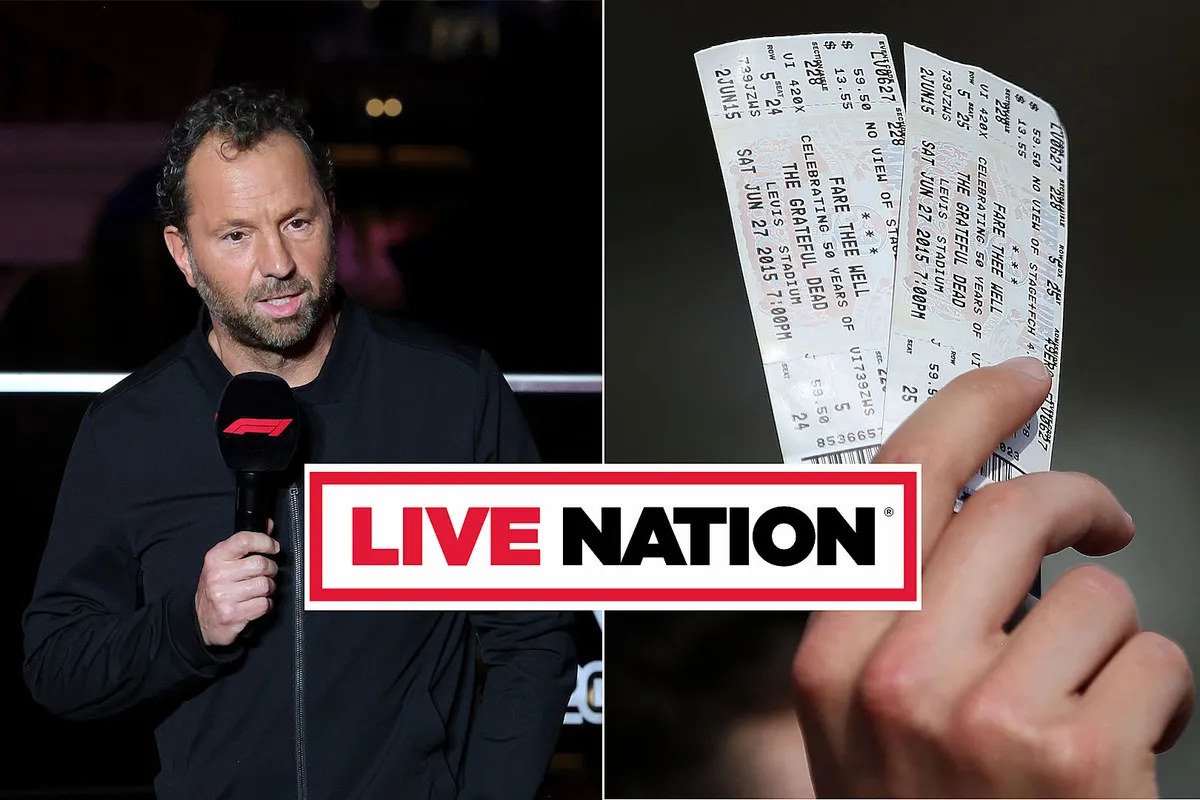
In a significant development for the live entertainment industry, Live Nation is facing mounting scrutiny as it navigates an ongoing antitrust trial. The trial, which has drawn attention from various stakeholders, is set against the backdrop of controversial remarks made by employees regarding ticket pricing and customer perceptions. The situation has escalated in New York City, where the trial is being held, with key figures such as CEO Michael Rapino at the forefront of the unfolding drama.
Live Nation and its subsidiary Ticketmaster have recently introduced 4-pack ticket bundles for selected shows, with certain concerts advertised at prices of £40 or under. This move appears to be a strategic response to the backlash surrounding ticket pricing practices, which have been criticized for being exorbitant. However, the company’s efforts to improve its public image are overshadowed by the trial and the implications of employee comments that have surfaced.
During the trial, Michael Rapino publicly condemned remarks made by Live Nation employees who referred to customers as “so stupid” and discussed “robbing them blind, baby” in private messages. Rapino described these comments as “disgusting” and emphasized that they do not reflect the company’s operational ethos. He stated that he was unaware of these remarks until just last week, indicating a disconnect between management and employee sentiments.
The antitrust trial has seen significant participation from the legal community, with forty state attorneys joining the suit against Live Nation. The Justice Department reached a settlement with the company last week, but the remaining state plaintiffs are expected to rest their case by March 25. As the trial progresses, the number of jurors has dwindled to nine, raising questions about the trial’s dynamics and potential outcomes.
Rapino has defended Live Nation’s business model, asserting that it possesses an “incredible moat built around the castle,” suggesting that the company’s market position is robust against competition. However, the ongoing scrutiny and the trial’s implications could challenge this assertion. Originally, the trial was slated to conclude by April 10, but the evolving circumstances may alter this timeline.
As the trial unfolds, it has featured testimony from various individuals, including music fans, who have shared their experiences and perspectives on Live Nation’s practices. The juxtaposition of these personal accounts against the backdrop of corporate strategy highlights the complexities of the live entertainment market and the challenges faced by industry giants.
In light of the current developments, the reactions from both the public and industry insiders are mixed. While some applaud Live Nation’s efforts to offer more affordable ticket options, others remain skeptical about the company’s commitment to fair pricing and customer respect. The trial’s outcome could have far-reaching implications for Live Nation, Ticketmaster, and the broader concert industry.
As the situation continues to evolve, stakeholders are closely monitoring the proceedings. Details remain unconfirmed regarding the potential long-term impacts of the trial on Live Nation’s business practices and its relationship with consumers.