
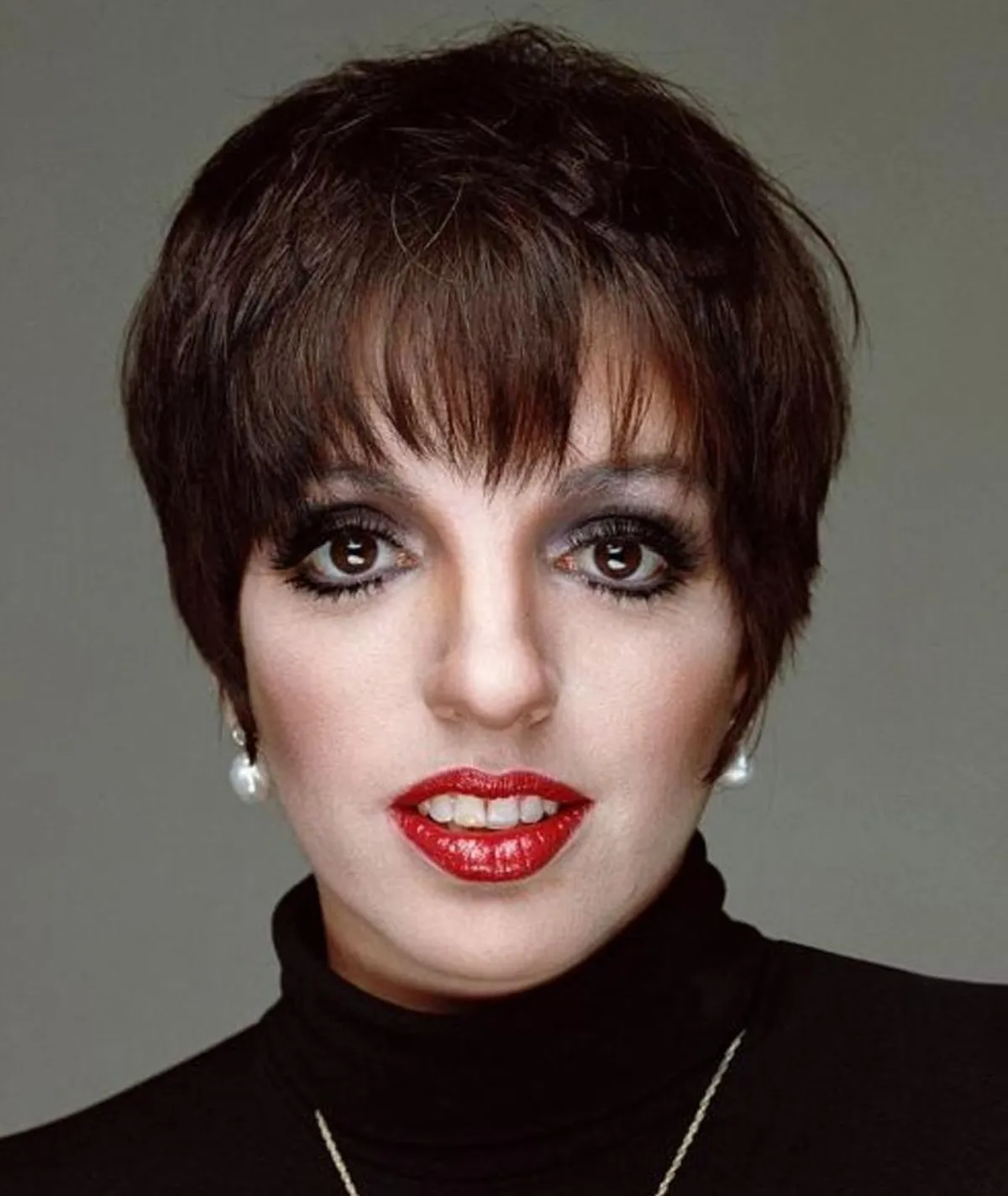
Liza Minnelli Reflects on Gene Hackman and Hollywood in New Memoir
Liza Minnelli’s recent memoir, titled Kids, Wait Till You Hear This!, has stirred conversations about her experiences in Hollywood, particularly during the filming of the 1975 film Lucky Lady. In the memoir, Minnelli describes her working relationship with Gene Hackman, who she characterizes as “downright rude” during their time on set. This revelation has drawn attention to the dynamics of their collaboration and the challenges they faced while filming.
Released in 1975, Lucky Lady was a commercial and critical failure, a fact that adds context to Minnelli’s reflections. The film, which featured Minnelli in the role of Claire, was shot on a boat, presenting unique challenges for the cast and crew. Hackman was a late replacement for George Segal, and his reported salary of $1.25 million for the role raises questions about the pressures and expectations placed on the actors involved.
In her memoir, Minnelli recalls the difficulties of working with Hackman, stating, “It’s hard to go to work when the chemistry is absent. I think it’s fair to say that Gene was downright rude.” This sentiment was echoed by director Stanley Donen, who publicly shared that Hackman was very dismissive towards Minnelli during the film’s production. Such accounts highlight the complexities of their professional relationship and the impact it had on the overall production.
Actor Burt Reynolds also weighed in on the situation, noting, “Gene Hackman is a good actor. He’s tough, and Liza is so boop oopy doop, it didn’t sit well with him.” This comment underscores the contrasting styles and personalities that may have contributed to the tension on set. The film’s failure, combined with the reported discord between the lead actors, paints a vivid picture of the challenges faced during its creation.
Beyond her experiences with Hackman, Minnelli’s memoir delves into her personal life, including her relationships with her famous parents, Judy Garland and Vincente Minnelli. She candidly discusses her mother’s relationship with Frank Sinatra, revealing, “During the time my parents were married, I eventually figured out that there was more between Frank and Mama than friendship. Much more.” This insight adds depth to her narrative, illustrating the complexities of her upbringing in the spotlight.
As Minnelli reflects on her past, she does so at the age of 79, offering a perspective shaped by decades of experience in the entertainment industry. Her memoir serves not only as a personal account but also as a commentary on the broader dynamics of Hollywood, particularly for women navigating the challenges of fame and collaboration.
While Minnelli’s memoir provides a wealth of information about her life and career, details remain unconfirmed regarding the full extent of her experiences with Hackman and others in the industry. As readers engage with her story, they are left to ponder the complexities of relationships in Hollywood and the lasting impact of those experiences on Minnelli’s life and career.