
Who is involved
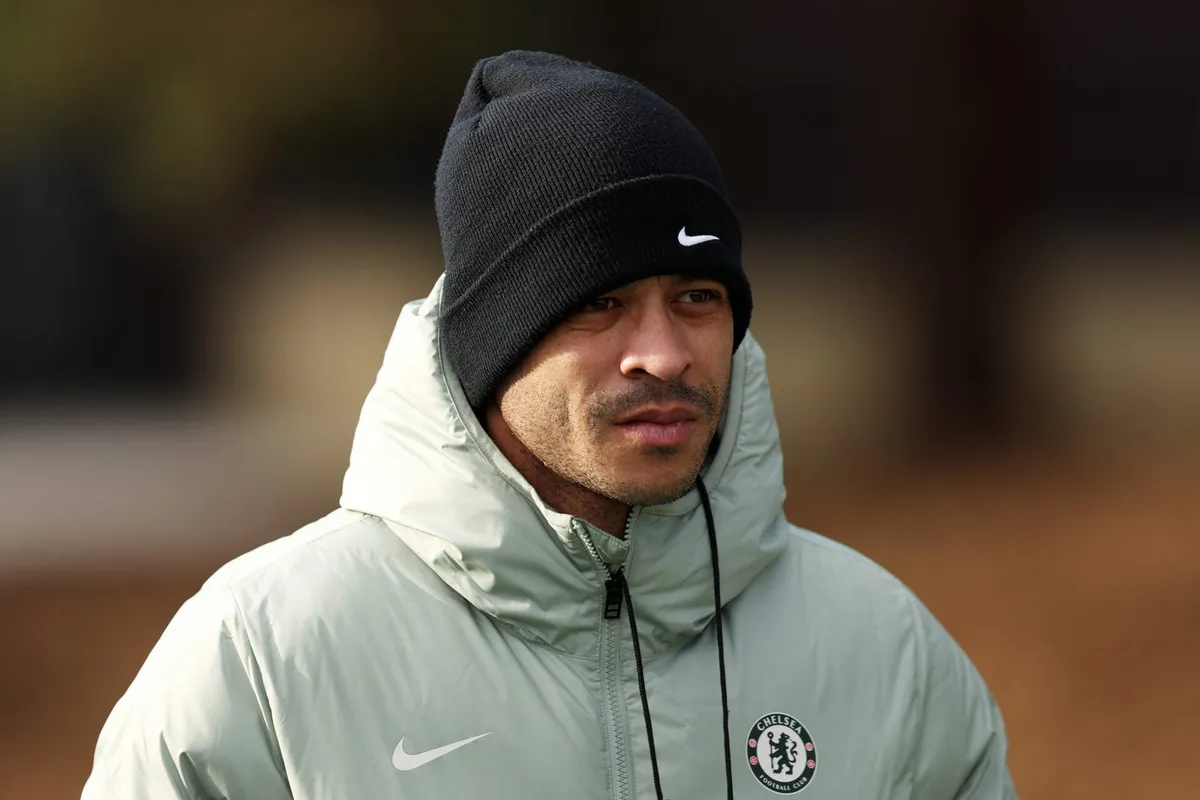
As Chelsea Football Club navigates a tumultuous period, the expectations surrounding the team have shifted dramatically. Prior to the recent downturn, Chelsea was seen as a club with potential, particularly under the guidance of head coach Liam Rosenior, who was appointed on January 6, 2026, following the departure of Enzo Maresca. With a six-year contract in hand, Rosenior’s early tenure included a promising record of 10 wins, 2 draws, and 7 losses across 19 matches. However, the recent string of four straight defeats, including a disappointing loss to Everton, has raised serious concerns about the team’s direction and Rosenior’s future.
The decisive moment came during the match against Everton, where Chelsea not only lost but also conceded a staggering 12 goals over the course of their last four matches, averaging three goals against per game. This alarming statistic highlights the defensive frailties that have emerged under Rosenior’s management. The coach acknowledged that the international break has come at a good time for the team, indicating a need for reflection and potential restructuring.
The immediate effects of these defeats are profound. Players like Trevoh Chalobah are left to shoulder the defensive burden as Rosenior searches for a suitable partner in central defense until Levi Colwill returns. Goalkeeper Robert Sanchez’s costly mistake that led to Everton’s second goal exemplifies the pressure mounting on the squad. Additionally, Filip Jorgensen’s error in the Champions League against Paris Saint-Germain further compounds the team’s woes, leaving fans and analysts questioning the club’s stability.
Expert voices, such as former player Emmanuel Petit, have weighed in on the situation, stating, “Something needs to change at Chelsea.” This sentiment echoes the frustrations of supporters who have witnessed a decline in performance and results. The club’s management faces a critical juncture: whether to continue backing Rosenior or to consider a change in leadership to reverse the current trend.
In a parallel narrative, the struggles of Chelsea coincide with the fallout from BrewDog, a brand that has been in the spotlight for its financial troubles. BrewDog’s new owner has criticized the legacy of former CEO James Watt, who has become a controversial figure. The connection between these two stories lies in the broader theme of leadership and accountability in times of crisis. Just as BrewDog grapples with its identity and future, so too does Chelsea, as it seeks to redefine its path amid mounting pressure.
As Chelsea contemplates its next steps, the club must address not only the immediate tactical issues on the pitch but also the overarching questions about its leadership and vision. The uncertainty surrounding Rosenior’s position adds to the tension, with fans and pundits alike speculating on what the future holds. The club’s ability to rebound from this challenging phase will depend on decisive action and a clear strategy moving forward.
In summary, Chelsea Football Club stands at a crossroads, with the weight of recent defeats bearing heavily on the team and its coach. The interplay between on-field performance and off-field leadership will be crucial as the club seeks to navigate this difficult period. As the international break offers a moment for reflection, the question remains: can Chelsea turn the tide and reclaim its status as a competitive force in football?