
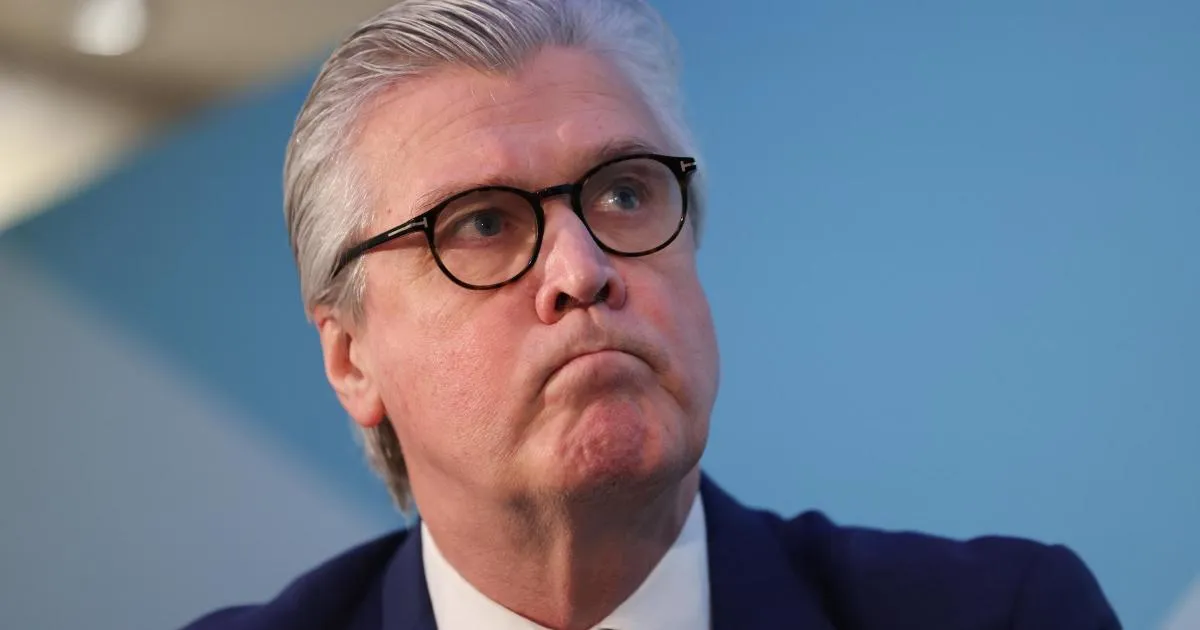
What are the implications of Malcolm Offord’s crude joke about George Michael made during a Burns Supper in 2018? This incident has raised serious questions about his character and political future, particularly in light of his subsequent apology and denial of homophobia.
Offord, who was the chairman of the London Scottish rugby club at the time, described the joke as a “clumsy mistake” and acknowledged that he had been drinking when he made the remark. He stated, “I must admit, I’d had a bit to drink by then, and finished with a crude joke about the late George Michael.” Despite his apology, the fallout has been significant.
Witnesses at the event characterized the joke as “crude, bad taste and insulting,” prompting immediate backlash from various political figures. John Swinney, a prominent politician, condemned the joke during a session in the Scottish Parliament, emphasizing the need for a country to be cautious about the representation of intolerance and prejudice.
Jamie Greene, another politician, also expressed his discontent, stating, “As a gay politician, I’ve been on the receiving end of some fairly unpleasant commentary over the years.” This highlights the broader societal implications of Offord’s comments, especially in the context of LGBTQ+ rights.
In an attempt to make amends, Offord donated to the King’s Cross Steelers, a rugby club known for its inclusivity. However, the incident has not been without its critics, as many believe that a simple donation cannot erase the harm caused by his words.
Offord has consistently denied being homophobic, asserting, “This was a clumsy mistake that I immediately acknowledged and acted upon. I am not homophobic.” Yet, the incident has sparked discussions about the appropriateness of humor in political discourse and the responsibilities of public figures.
The joke was made in the context of the upcoming Holyrood election, adding another layer of complexity to the situation. As the political landscape evolves, Offord’s comments have drawn scrutiny from both supporters and detractors.
While most media outlets chose not to publish the joke, the controversy has nonetheless permeated public consciousness, raising awareness about the impact of such remarks on marginalized communities.
As the situation unfolds, the long-term consequences for Offord’s political career remain uncertain. His defense, which included the claim of having been under the influence of alcohol, raises questions about accountability and the standards expected of those in positions of power.
Details remain unconfirmed regarding any further actions that may be taken against Offord or how this incident will influence the upcoming election. The discourse surrounding this event serves as a reminder of the ongoing challenges faced by the LGBTQ+ community and the importance of sensitivity in public dialogue.