
The wider picture
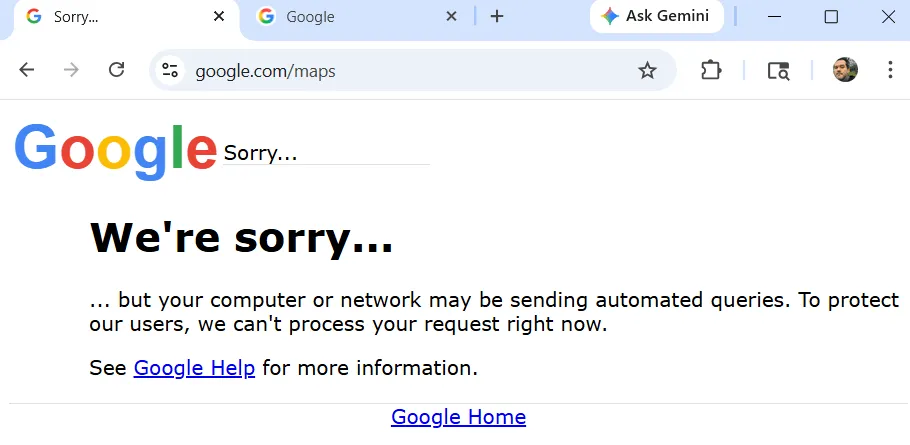
In recent years, the reliance on digital mapping services has surged, with Google Maps emerging as a dominant player in the field. However, as of March 26, 2026, users have reported significant issues with Google Maps, according to Downdetector, which tracks outages and service disruptions. The platform has seen over 3,100 reports of errors, raising concerns about its reliability during critical navigation moments.
As these issues unfold, another mapping initiative is gaining momentum in the UK. The Recycle Now campaign has successfully mapped 675 refill stores across the country, aiming to inform citizens about local reusable packaging options. This initiative not only promotes sustainability but also reflects a growing trend towards environmentally conscious consumer behavior. As large retailers show interest in refill options, the campaign’s mapping efforts are timely and relevant.
In contrast to the challenges faced by Google Maps, other mapping technologies are thriving. The Garmin Fenix 8 GPS watch, for instance, has been well-received for its advanced features, including turn-by-turn navigation and the ability to create routes using Strava’s route creation tool. Users have expressed their preference for devices that offer real-time mapping capabilities, with one user stating, “I’m never going back to a watch that doesn’t offer me mapping and real-time directions.” This sentiment underscores the importance of reliable navigation tools in today’s fast-paced world.
The Garmin Fenix 8 also boasts a large display, complete with base maps that show street names and points of interest, making it a practical choice for outdoor enthusiasts and everyday users alike. As the demand for accurate and user-friendly mapping solutions grows, the contrast between the struggles of Google Maps and the success of dedicated GPS devices becomes increasingly pronounced.
While Google Maps continues to be a go-to resource for many, the recent errors have prompted users to explore alternative options. The issues reported are not just a minor inconvenience; they highlight a critical need for dependable mapping services in an age where navigation is integral to daily life. Observers note that the ongoing problems could lead to a shift in user preferences towards more reliable platforms.
As the Recycle Now campaign continues to expand its mapping of refill stores, it serves as a reminder of the evolving landscape of mapping technology. The initiative not only addresses environmental concerns but also illustrates how mapping can play a pivotal role in promoting sustainable practices. With the increasing interest in refill options, the campaign’s efforts could drive demand and encourage more retailers to participate.
Looking ahead, it remains to be seen how Google will address the current issues plaguing its mapping service. Officials have yet to provide a detailed response regarding the nature of the errors or the timeline for resolution. As users await updates, the situation serves as a crucial reminder of the importance of reliability in mapping technologies.
In the meantime, the success of the Recycle Now campaign highlights the potential for mapping initiatives to foster community engagement and drive change. As more citizens become aware of local refill options, the campaign may not only reshape consumer habits but also influence broader environmental policies. Details remain unconfirmed regarding the future of Google Maps, but the current landscape suggests a pivotal moment for mapping technologies in the UK.