
Background on the Conflict
The conflict has escalated following the killing of Supreme Leader Ayatollah Ali Khamenei. This event has significantly heightened tensions in the region, particularly between Iran and its neighboring countries, as well as with the United States and Israel. In the wake of these developments, military actions have increased, leading to substantial casualties and a humanitarian crisis.
Recent Statements by Masoud Pezeshkian
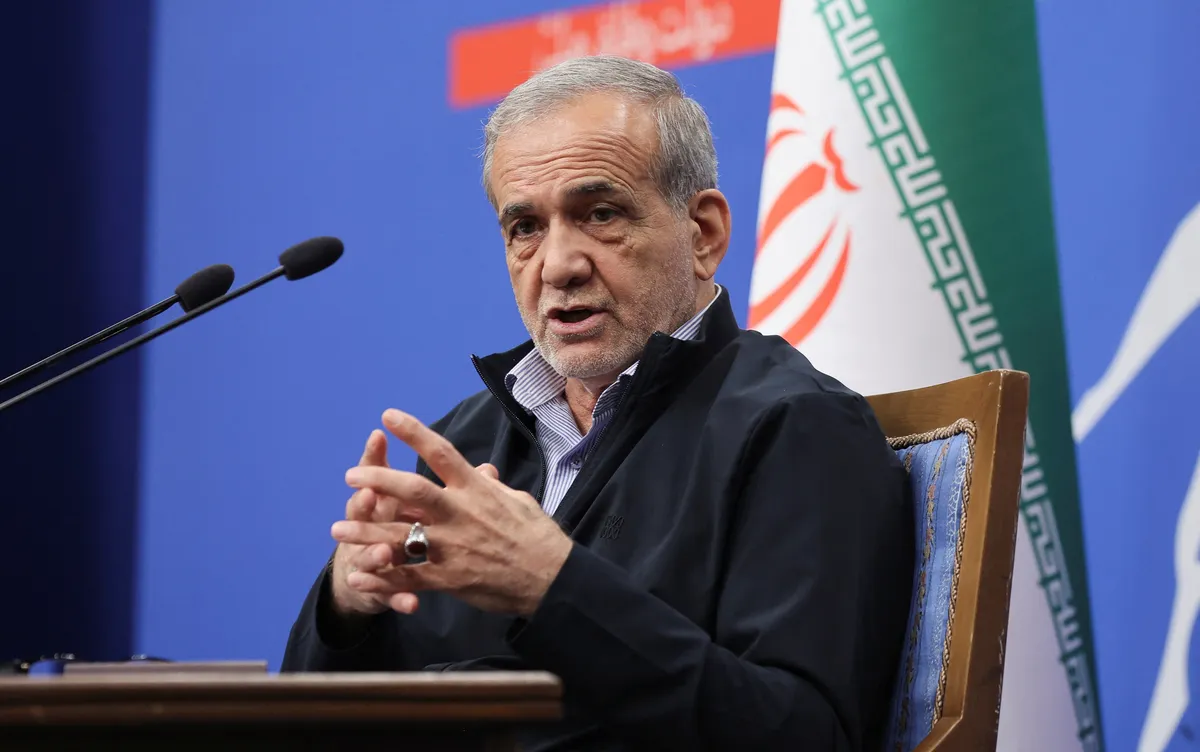
On March 7, 2026, Masoud Pezeshkian, a prominent Iranian political figure, addressed the ongoing military strikes during a prerecorded statement. He emphasized that neighboring countries will no longer be targeted unless an attack originates from those nations. This statement marks a notable shift in Iran’s military policy amidst the ongoing conflict.
Pezeshkian also expressed regret for recent strikes, apologizing to neighboring countries for the actions taken by Iran. He stated, “What we adhere to are international laws and humanitarian frameworks,” indicating a desire to align Iran’s military actions with international norms.
New Directives from Iranian Leadership
The Iranian interim leadership council has approved a new directive concerning responses to military threats. According to this directive, Iran’s armed forces are now prohibited from targeting neighboring states unless they are attacked from those countries. This decision reflects a strategic shift aimed at reducing tensions and avoiding further escalation in the region.
Resul Serdar, a spokesperson for the Iranian Revolutionary Guard Corps (IRGC), confirmed that the IRGC is currently in charge of Iran’s military decisions, stating, “The IRGC is now in charge fully, and they will decide whether to attack or not.” This indicates a consolidation of military authority within Iran, particularly in light of the ongoing conflict.
Impact of US and Israeli Airstrikes
The situation has been exacerbated by ongoing airstrikes conducted by the United States and Israel against Iran. Reports indicate that more than 1,200 Iranians have been killed in these attacks within the first week of the war. The humanitarian impact of these strikes has been severe, leading to widespread condemnation and calls for a reassessment of military strategies.
In response to the escalating conflict, Saad al-Kaabi, a prominent energy official, warned of broader economic repercussions, stating, “Everybody’s energy price is going to go higher. There will be shortages of some products, and there will be a chain reaction of factories that cannot supply.” This highlights the potential for the conflict to affect not only military dynamics but also economic stability in the region.
Looking Ahead
As the situation continues to unfold, observers are closely monitoring the implications of Pezeshkian’s statements and the new directives from the Iranian leadership. The potential for further military engagement remains high, and the international community is urged to consider diplomatic solutions to prevent further escalation. Details remain unconfirmed regarding the long-term impact of these developments on regional stability.