
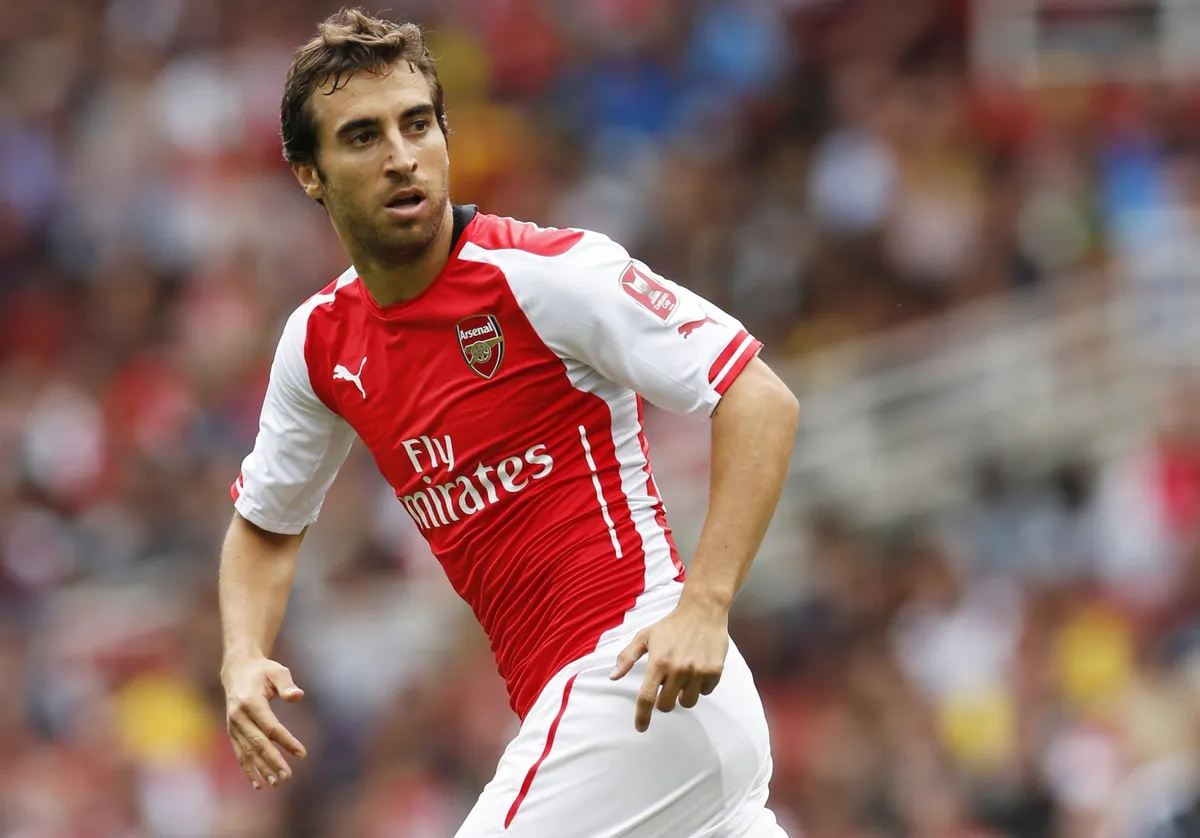
Mathieu Flamini, a name synonymous with Arsenal Football Club, has made headlines not just for his past on the pitch but for his remarkable transformation into a billionaire entrepreneur. Following his retirement from professional football in 2019, Flamini co-founded GF Biochemicals in 2008, a company dedicated to producing a chemical identified by the US Department of Energy as pivotal for a greener future. This venture has significantly contributed to his estimated net worth of around £10 billion, according to Forbes.
Flamini’s connection to Arsenal runs deep; he was part of the club during a golden era, where he honed his work ethic under the mentorship of legends like Thierry Henry and Dennis Bergkamp. His desire to return to the club, not merely as a former player but potentially in a managerial or ownership capacity, has sparked considerable interest. Recently, Flamini expressed a keen interest in buying Arsenal from the Kroenke family, who have been the sole shareholders since 2018.
In a statement reflecting his passion for football, Flamini remarked, “If there is the right opportunity at the right time and the right discussion, if I meet people who are the same vision and mindset and desire to use football for a purpose, I would love to.” This sentiment underscores his commitment to leveraging his business acumen for the benefit of the sport he loves.
Stan Kroenke, the current owner of Arsenal, has made it clear that the family remains committed to the club, stating, “We remain 100% committed to Arsenal and are not selling any stake in the Club.” This declaration adds a layer of complexity to Flamini’s ambitions, as it suggests that any potential takeover would face significant hurdles.
As of May 2025, Arsenal was valued at £2.5 billion, a figure that reflects the club’s global brand and financial strength. The juxtaposition of Flamini’s billionaire status against the backdrop of Arsenal’s valuation raises questions about the future of the club’s ownership. Flamini’s aspirations could signal a shift in the dynamics of club management, particularly if he can align with like-minded investors.
Flamini’s journey from the pitch to the boardroom illustrates a broader trend of former athletes transitioning into successful business ventures. His experience in football, coupled with his entrepreneurial spirit, positions him uniquely to understand the intricacies of running a football club. Observers are keenly watching how this narrative unfolds, especially as Flamini continues to express his intentions publicly.
As the football world anticipates potential changes in Arsenal’s ownership, Flamini’s history with the club and his recent statements suggest that he is not merely a passive observer. His commitment to football and desire to contribute positively to the sport could lead to significant developments in the coming years. Details remain unconfirmed regarding the specifics of any discussions or negotiations, but the prospect of Flamini’s involvement in Arsenal’s future remains a topic of considerable interest.