
The numbers
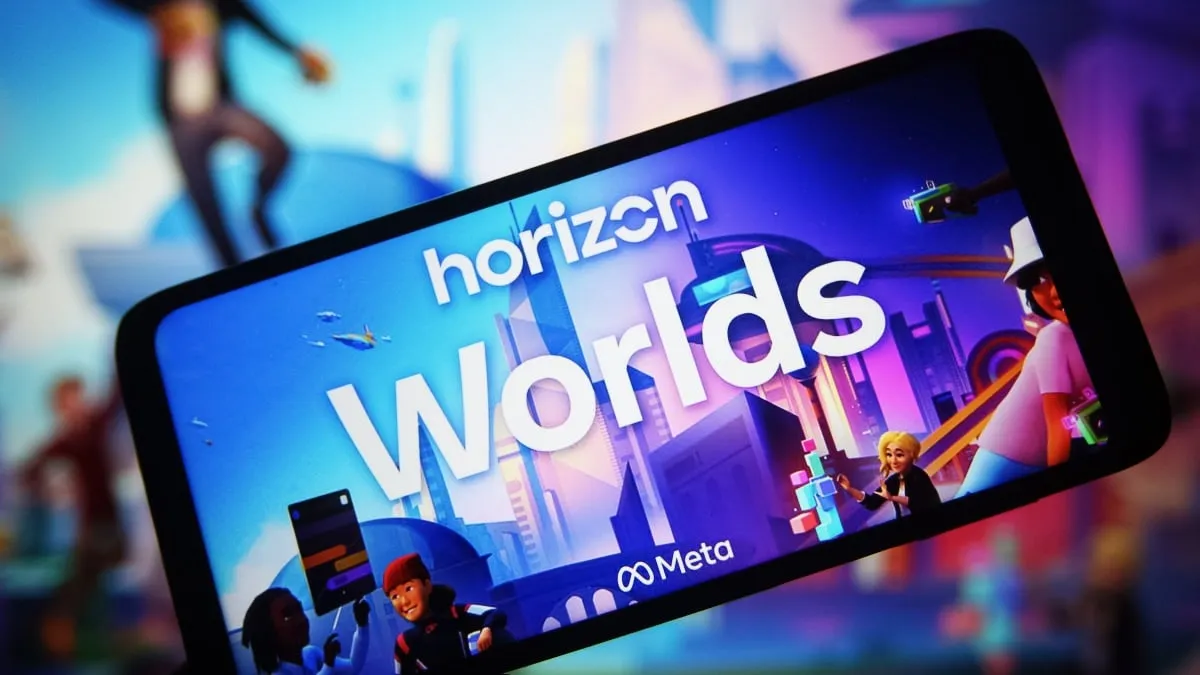
Meta has announced that its virtual reality platform, Horizon Worlds, will cease to operate in VR by June 15, 2026. This decision comes as part of a broader strategy to reorient its metaverse efforts, which have seen an investment of a staggering $80 billion. The platform will also be removed from the Quest Store by March 31, 2026, indicating a significant shift in Meta’s approach to virtual reality.
Despite this closure, Meta remains the largest investor in the VR industry, signaling its commitment to the technology. The company has stated, “We have a robust roadmap of future VR headsets that will be tailored to different audience segments as the market grows and matures.” This suggests that while Horizon Worlds may be winding down, Meta’s hardware initiatives are set to continue, focusing on new developments that could redefine user interaction in virtual spaces.
Historically, Meta, which rebranded from Facebook to emphasize its commitment to the metaverse, has faced challenges in making its vision a reality. The anticipated customer-facing services within the metaverse have not materialized as expected. As of now, the metaverse as a service channel has not gained traction, leaving many to question the viability of such investments in the long term.
In a related context, Walmart has been leveraging VR technology for training its contact center agents since 2021. The retail giant has reported a staggering 60% average annual turnover rate in its contact centers. However, VR training has proven effective, reducing training time from eight hours to just 15 minutes. Furthermore, employee satisfaction scores at Walmart rose by 30% following the implementation of VR training, and associates scored 10-15% higher on post-training assessments.
As the metaverse landscape evolves, experts predict that by 2026, 25% of people will spend at least one hour a day in the metaverse for various activities, including work, shopping, and entertainment. Additionally, 30% of organizations worldwide are expected to have products and services ready for the metaverse by the same year. Marty Resnick, a prominent analyst, emphasizes the importance of preparation, stating, “It is still too early to know which investments will be viable in the long term, but product managers should take the time to learn, explore and prepare for a metaverse in order to position themselves competitively.”
As Meta pivots away from Horizon Worlds, the future of its metaverse initiatives remains uncertain. While the company is shifting focus towards a mobile app version of Horizon Worlds, the overall direction of its metaverse strategy is yet to be fully clarified. Observers are keenly watching how Meta will navigate this transition and what new opportunities may arise in the evolving landscape of virtual reality.
Details remain unconfirmed regarding the specific features and functionalities of the upcoming mobile app, but the shift indicates a broader trend of adapting to user preferences and technological advancements. As the metaverse continues to develop, the implications of Meta’s decisions will likely resonate throughout the industry, influencing how companies approach virtual reality and immersive experiences.