
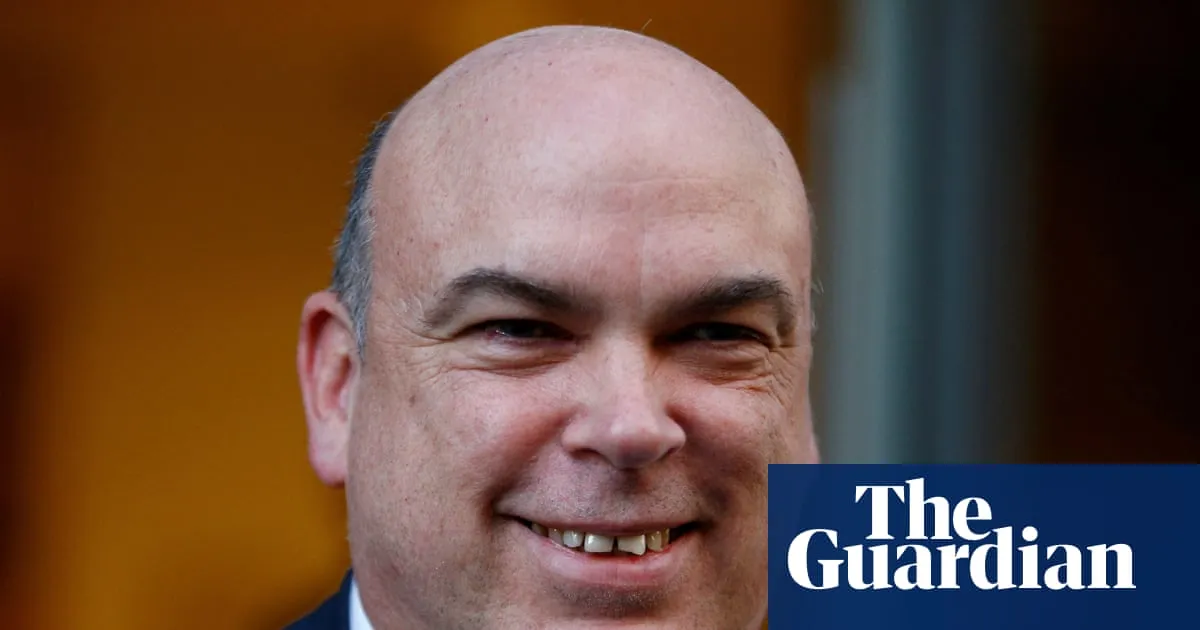
Mike Lynch, once hailed as ‘Britain’s Bill Gates’, was embroiled in a contentious legal battle with Hewlett-Packard (HP) over the acquisition of his company, Autonomy. The dispute centered around allegations that Lynch had inflated Autonomy’s value prior to its purchase by HP in 2011. This acquisition, which was initially valued at around $11 billion, quickly soured as HP wrote down Autonomy’s worth by $8.8 billion within a year, citing fraudulent misrepresentation.
In a significant development, the estate of Mike Lynch has been ordered to pay £920 million to HP as compensation for the damages incurred during the acquisition. This ruling comes after the High Court found Lynch and his former finance chief liable for fraud in 2022. The estate’s estimated worth is approximately £500 million, raising concerns that this substantial compensation could lead to its bankruptcy.
Following the court’s decision, a spokesperson for the Lynch family expressed disappointment at the refusal to allow an appeal, stating, “We are disappointed by the court’s refusal and believe an application to the court of appeal should follow in the interests of justice.” This sentiment reflects the family’s ongoing commitment to contest the ruling, despite the significant financial implications.
On the other side of the dispute, HP has welcomed the ruling, with a spokesperson stating, “HP is pleased with the court’s ruling and its rejection of the estate’s request for permission to appeal, which brings us another step closer to resolution of the dispute.” This statement underscores HP’s determination to seek accountability for what it claims were fraudulent actions by Lynch.
Mike Lynch’s death in August 2024, when his superyacht sank off the coast of Sicily, added a tragic dimension to the ongoing legal saga. His widow, Angela Bacares, reportedly holds significant assets independently, which may play a role in the estate’s financial strategy moving forward. However, the estate’s ability to pay the ordered damages remains in question.
Initially, HP sought $5 billion in damages from Lynch’s estate, but the High Court ultimately ruled that HP was entitled to compensation totaling $1.24 billion, which includes $236 million in interest. This ruling has left the estate with limited options, as it can apply directly to the Court of Appeal for permission to challenge the decisions made against it.
As the situation unfolds, observers are keenly watching how the Lynch estate will navigate this financial crisis. The implications of the court’s ruling extend beyond monetary damages; they also raise questions about the legacy of Mike Lynch and the future of Autonomy’s reputation. The estate’s next steps will be crucial in determining whether it can withstand the financial blow and continue to contest the ruling.
In the broader context of corporate governance and accountability, this case serves as a stark reminder of the potential consequences of misrepresentation in business dealings. The legal ramifications for Lynch’s estate may set a precedent for future cases involving high-profile acquisitions and the responsibilities of corporate leaders.