
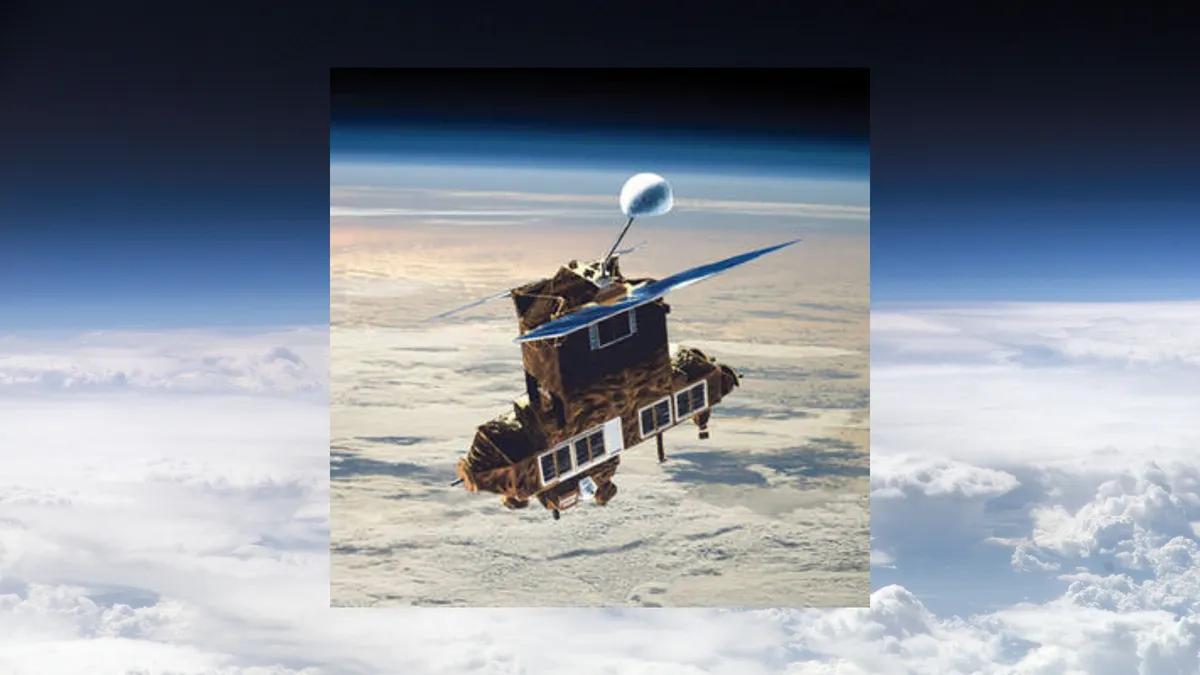
Background on the Van Allen Probes
The Van Allen Probes were launched to study the Van Allen radiation belts, which are zones of charged particles trapped by Earth’s magnetic field. Launched on August 30, 2012, these probes provided valuable data about the dynamics of space weather and its impact on technology and life on Earth. However, both probes were deactivated in 2019 when they ran out of fuel, leading to concerns about their eventual re-entry into the Earth’s atmosphere.
Upcoming Re-Entry of Van Allen Probe A
Parts of the Van Allen Probe A are expected to crash to Earth on March 10, 2026, at approximately 7:45 PM EDT. The satellite weighs around 1,323 pounds (600 kg), and while most of it is anticipated to burn up upon re-entry, some debris may survive the descent. NASA has stated that the risk of harm coming to anyone on Earth is low, with the chance of being struck by debris estimated at 1 in 4,200.
Monitoring and Predictions
NASA and the U.S. Space Force will continue to monitor the re-entry of the Van Allen Probe A and update predictions as necessary. Mark Matney, a NASA official, emphasized that “the odds that you will be hit are one in several trillion, so quite low for any particular person.” This highlights the minimal risk associated with the satellite’s re-entry.
Historical Context of Space Debris
Debris falling from space is not uncommon; over the past 40 years, an estimated 5,400 tons of material has survived re-entry. Instances of space objects harming people or property on the ground are extremely rare, but not unprecedented. Lottie Williams is the only person known to have been struck by falling manufactured space debris, underscoring the rarity of such events.
Future of Van Allen Probe B
While Van Allen Probe A is set for re-entry, its twin, Van Allen Probe B, is not expected to re-enter the atmosphere before 2030. The original prediction for the re-entry of Van Allen Probe A was 2034, but this timeline has changed due to increased solar activity affecting its trajectory.
Geographical Considerations
71% of Earth’s surface is covered by water, which significantly reduces the likelihood of debris hitting land. However, the exact location of the re-entry remains unknown, and the timing could vary by as much as 24 hours. Details remain unconfirmed as officials continue to track the satellite’s descent.
Conclusion and Ongoing Monitoring
As the re-entry date approaches, NASA and other agencies will provide updates to ensure public safety and awareness. The situation is being closely monitored, and officials are prepared to respond to any developments regarding the Van Allen Probe A’s descent.